



What's Happening?
Approximately 250 watchmen, represented by International Longshore and Warehouse Union (ILWU) Local 26, have authorized a strike at the Ports of Los Angeles and Long Beach, potentially commencing on November 1 at 5 PM PST. This labor action could impact
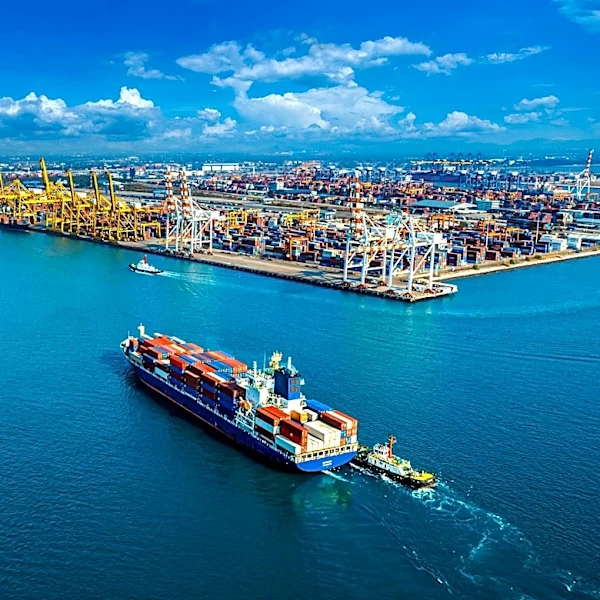
six container terminals and two non-container terminals, including APM Terminals (Pier 400), Long Beach Container Terminal, Total Terminals International, SSA Marine’s Berth C60 and Berth A90, and Pacific Container Terminal, as well as SSA Marine-operated LB 206 and Outer Harbor Berth 55. The watchmen operate under a separate agreement from the broader six-year longshore contract negotiated between the ILWU and the Pacific Maritime Association in summer 2023. The Ports are already experiencing significant congestion, with over 13,000 containers waiting longer than nine days to be loaded onto on-dock trains, and a total of 35,000 containers awaiting loading as of October 28. Both the Port of Los Angeles and the Port of Long Beach are monitoring the negotiations and hope for a swift resolution to avoid disruptions.
Why It's Important?
A strike by ILWU Local 26 watchmen at the Ports of Los Angeles and Long Beach could severely exacerbate existing supply chain issues and cargo delays. While the watchmen represent a small percentage of the overall ILWU workforce, their role in security within individual terminals is critical. The Pacific Maritime Association has indicated that other ILWU workers are unlikely to cross picket lines, which could effectively halt vessel, yard, and gate operations at the affected terminals. This would directly impact the movement of goods through two of the busiest ports in the United States, leading to further backlogs, increased shipping costs, and potential shortages for businesses and consumers nationwide. Industries reliant on timely imports, from retail to manufacturing, stand to lose significantly from prolonged disruptions, while consumers may face higher prices and reduced availability of products.
What's Next?
Negotiations between ILWU Local 26 and the Pacific Maritime Association are ongoing, with both port authorities expressing hope for a mutually acceptable resolution before the November 1 strike deadline. If an agreement is not reached, the strike could begin as scheduled, leading to immediate operational halts at the designated terminals. The Ports of Los Angeles and Long Beach will continue to monitor the situation, with the Port of Long Beach emphasizing its commitment to moving cargo safely and reliably, and the Port of Los Angeles encouraging good-faith negotiations. The broader ILWU and Pacific Maritime Association will also be closely watching the outcome, as any disruption could set precedents for future labor negotiations and port operations.
Beyond the Headlines
The potential strike highlights the delicate balance of labor relations within critical infrastructure sectors and the cascading effects that even a small segment of the workforce can have on national and international supply chains. The reliance on a relatively small group of watchmen for terminal security underscores the vulnerability of complex logistical systems to targeted labor actions. This situation also brings to light the ongoing challenges of port congestion, even after the resolution of larger labor contracts. The long-term implications could include a renewed focus on diversifying port operations, investing in automation to reduce reliance on manual labor, and re-evaluating the resilience of supply chains against localized disruptions. The incident also serves as a reminder of the continuous need for effective communication and negotiation between labor unions and management to prevent economic fallout.