




What's Happening?
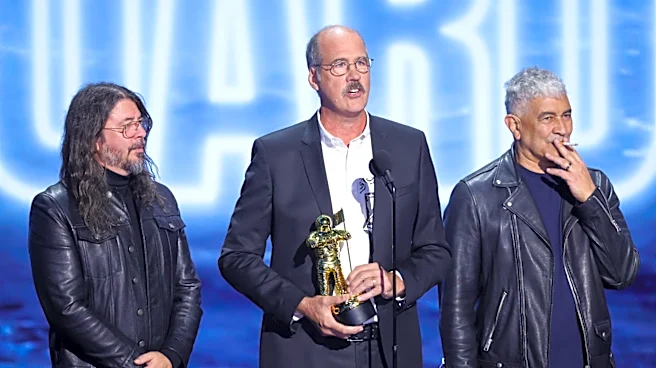
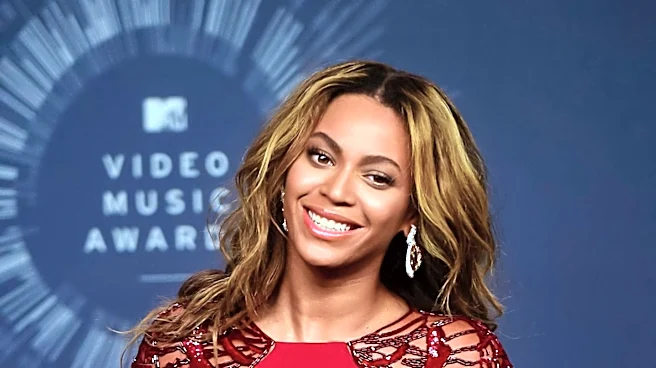
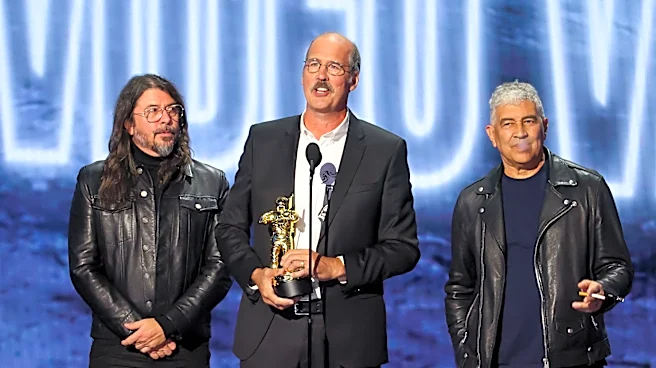
The recent Video Music Awards (VMAs) broadcast has drawn criticism for its execution, with many online observers suggesting the award show needs a rebrand or should cease airing. Critics argue that the VMAs are increasingly attempting to create viral
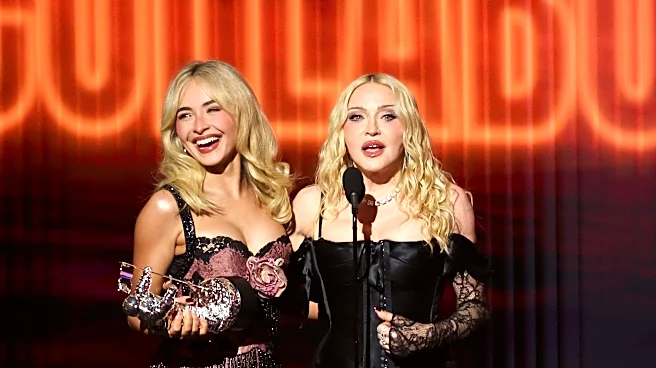
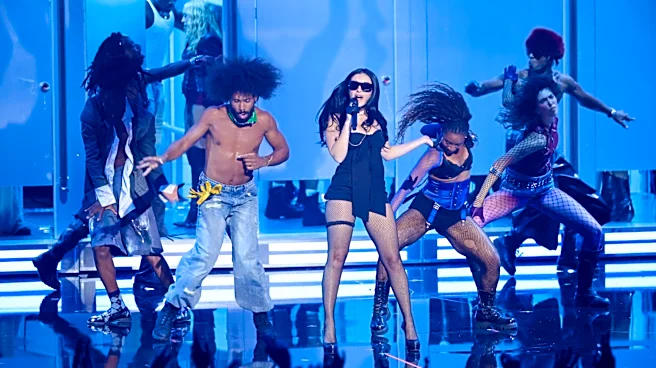
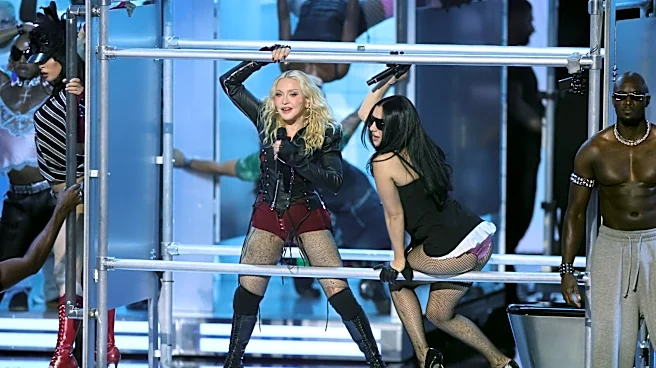
moments rather than genuinely celebrating the visual aspects of music, leading to a decline in viewership and attendance. The show's perceived desperation to secure A-list celebrities, exemplified by the creation of the "Artists Directors Honor" specifically for Taylor Swift to ensure her appearance and debut her new music video, has been widely critiqued as manufactured. This approach, according to observers, makes the event feel more like an advertisement than a true celebration of artistic achievement. Despite strong performances from artists like Kacey Musgraves, Madonna, Sabrina Carpenter, Charli XCX, and Sienna Spiro, the overall sentiment is that the VMAs are failing to live up to the expectations set by iconic past performances, such as those by Lady Gaga or Miley Cyrus.
Why It's Important?
The declining relevance of the Video Music Awards reflects broader shifts in the music industry and media consumption habits. In the streaming era, where music videos are readily available on various platforms, the traditional role of MTV and its awards show as a primary hub for visual music content has diminished. The VMAs' struggle to attract A-list talent without resorting to 'manufactured moments' indicates a challenge in maintaining prestige and cultural impact. This situation is important for the entertainment industry as it highlights the need for established institutions to adapt fundamentally to evolving audience expectations and technological advancements. If a major awards show like the VMAs cannot organically draw top artists and viewers, it signals a potential crisis for similar events that rely on traditional broadcast models and celebrity-driven spectacle. The perceived lack of authenticity in its current format could further alienate audiences and artists, impacting its long-term viability and influence.
What's Next?
To regain relevance, the Video Music Awards will need to undergo significant changes. Critics suggest that MTV should prioritize elaborate, diverse, and high-level production for performances to re-engage audiences and attract top artists organically. Instead of focusing on manufactured celebrity appearances, the VMAs could benefit from an internal assessment of why celebrities no longer view the event as beneficial to their careers. This might involve rethinking the award categories, the format of the show, and how it genuinely celebrates music's visual artistry in the digital age. The longevity of the VMAs will depend on its ability to innovate and create authentic, visually powerful experiences that resonate with contemporary audiences and artists, moving beyond a desperate attempt to cling to past glory or force viral moments. Future iterations will likely be scrutinized for their ability to adapt to these criticisms and demonstrate a renewed commitment to artistic integrity.
Beyond the Headlines
The VMAs' current predicament points to a deeper cultural phenomenon: the commodification of celebrity and the struggle for authenticity in an increasingly curated media landscape. The creation of awards to guarantee celebrity attendance transforms artistic recognition into a transactional exchange, potentially devaluing the awards themselves. This trend reflects a broader challenge in the entertainment industry, where the line between genuine artistic celebration and marketing spectacle has become blurred. Ethically, it raises questions about the integrity of awards shows and their role in shaping public perception of artistic merit. Culturally, it signifies a shift in how audiences engage with media; they are increasingly discerning and critical of content that feels inauthentic or overly commercialized. The VMAs' struggle is a microcosm of how traditional media institutions are grappling with maintaining relevance and credibility in an era dominated by social media and direct artist-fan engagement, where manufactured moments are often quickly identified and dismissed.