


What's Happening?
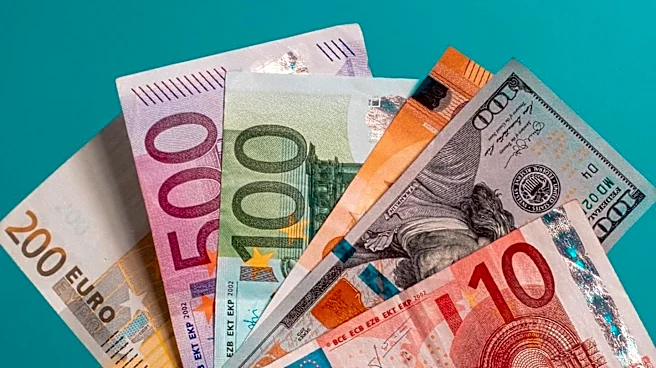
The U.S. dollar index is currently steady at 103.81, remaining below its 22-month peak of 104.53 reached earlier in the week. This movement occurs in holiday-thinned trading, with market participants closely monitoring equity markets for direction, particularly
due to heightened volatility stemming from doubts surrounding the AI trade. The U.S. currency has been bolstered by expectations of continued Federal Reserve policy tightening. According to CME Group's FedWatch tool, traders are nearly certain of a quarter-point interest rate hike on December 9. Further support for the dollar comes from hotter-than-expected U.S. core personal consumption expenditures inflation in October, a significant upward revision to third-quarter gross domestic product, and a Federal Reserve survey indicating sustained economic growth and persistent inflation. These factors have led traders to anticipate an additional rate hike by approximately April, contributing to the dollar index's 5.7% rise so far in 2026.
Why It's Important?
The U.S. dollar's strength, driven by anticipated Federal Reserve rate hikes, has significant implications for U.S. businesses and consumers. A stronger dollar makes U.S. exports more expensive, potentially impacting the competitiveness of American goods in international markets. Conversely, it makes imports cheaper, which could help mitigate inflationary pressures on consumer goods. For companies with international operations, a strong dollar can reduce the value of overseas earnings when converted back to U.S. currency. The Federal Reserve's hawkish stance, aimed at combating persistent inflation, suggests that borrowing costs for U.S. businesses and individuals will likely remain elevated or increase further. This could dampen investment and consumer spending, potentially slowing economic growth. The volatility linked to the AI trade also highlights a broader market sensitivity to technological sector performance, indicating that shifts in investor sentiment towards high-growth areas can quickly influence currency markets and broader economic outlooks.
What's Next?
Market attention will remain focused on upcoming economic data and Federal Reserve communications for further clues on monetary policy. The anticipated quarter-point interest rate hike on December 9 is largely priced in, but any deviation from this expectation or signals regarding future hikes could trigger significant market reactions. Traders will also be closely watching the performance of AI-related stocks; a recovery in this sector could lead to a rebound in risk-sensitive currencies like the Australian dollar and Mexican peso, while continued selling pressure would likely further strengthen the U.S. dollar. The ongoing assessment of inflation figures and economic growth indicators will be crucial in shaping the Federal Reserve's decisions beyond December, influencing the dollar's trajectory and the broader economic environment for U.S. stakeholders.
Beyond the Headlines
The sustained strength of the U.S. dollar and the Federal Reserve's aggressive stance against inflation underscore a broader shift in global economic dynamics. The emphasis on combating inflation, even at the risk of higher borrowing costs, reflects a prioritization of price stability. This approach could lead to a re-evaluation of investment strategies, with a potential shift away from speculative assets towards more stable, yield-bearing investments. The intertwining of currency movements with the performance of specific technology sectors, such as AI, also highlights the increasing influence of technological advancements on traditional financial markets. This trend suggests that future economic stability and growth will be increasingly tied to innovation and the ability of central banks to navigate the complex interplay between technological progress, inflation, and monetary policy.