







What's Happening?
Antonietta Vicario, chief training officer at PVOLVE, highlights the critical role of balance and stability exercises for long-term health, especially as individuals age. While strength training is widely recognized for preserving muscle mass and bone
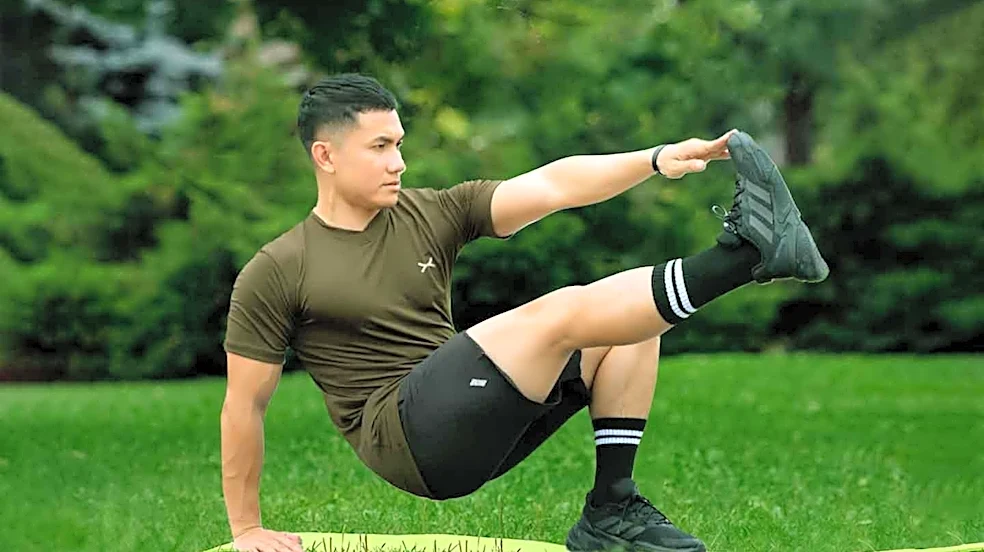
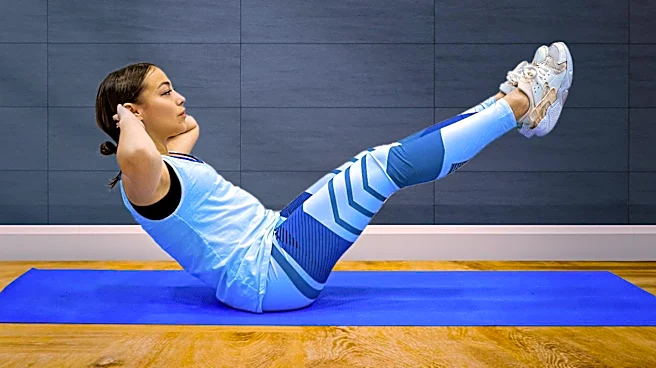
density, Vicario stresses that incorporating movements that challenge stability is equally vital for maintaining independence and overall healthspan. She explains that these exercises require core muscles to stabilize the body while other parts are in motion, fostering communication between deep core muscles and smaller stabilizing muscles to keep the body centered and in control. An example provided is the leg flutter, which, despite its simple appearance, significantly engages core muscles to prevent torso rocking. Vicario advocates for a workout regimen that includes both stability-challenging moves and unilateral work, such as single-leg deadlifts or lunges, to comprehensively strengthen core muscles and enhance balance.
Why It's Important?
The emphasis on balance and stability by experts like Antonietta Vicario underscores a crucial, often overlooked, aspect of fitness for the U.S. population. As the population ages, maintaining physical independence becomes a significant concern, impacting quality of life and healthcare costs. Poor balance and stability can lead to falls, which are a leading cause of injury and disability among older adults. By promoting exercises that specifically target these areas, individuals can proactively reduce their risk of falls, maintain mobility, and continue engaging in daily activities without assistance. This approach not only benefits individuals by extending their 'healthspan' but also has broader societal implications by potentially reducing the burden on healthcare systems associated with age-related injuries and long-term care. The integration of such exercises into fitness routines can empower people to lead more active and independent lives for longer.
What's Next?
The growing awareness of the importance of balance and stability training is likely to influence fitness trends and program development. We can anticipate an increase in specialized fitness classes and personal training programs that incorporate these elements, moving beyond traditional strength and cardio focuses. Fitness apps and online platforms may also expand their offerings to include more routines designed to improve stability and balance, making these exercises more accessible to a wider audience. Healthcare providers and physical therapists may further integrate these concepts into rehabilitation and preventative care plans, recommending specific exercises to patients at risk of falls or those looking to enhance their functional fitness. Educational campaigns from health organizations could also emerge, aiming to inform the public about the benefits and methods of incorporating balance and stability work into their daily lives.
Beyond the Headlines
Beyond the immediate physical benefits, the focus on balance and stability touches upon deeper aspects of aging and well-being in American society. It highlights a shift from merely extending lifespan to enhancing 'healthspan' – the period of life spent in good health. This perspective encourages a more holistic view of fitness that values functional ability and independence as much as physical strength or cardiovascular health. Ethically, promoting these exercises can be seen as empowering individuals to take greater control over their aging process, fostering a sense of self-efficacy and reducing reliance on external care. Culturally, it may contribute to a broader societal appreciation for active aging and challenge stereotypes about physical decline in later life, encouraging people of all ages to prioritize comprehensive physical fitness for a more robust and independent future.