


What's Happening?
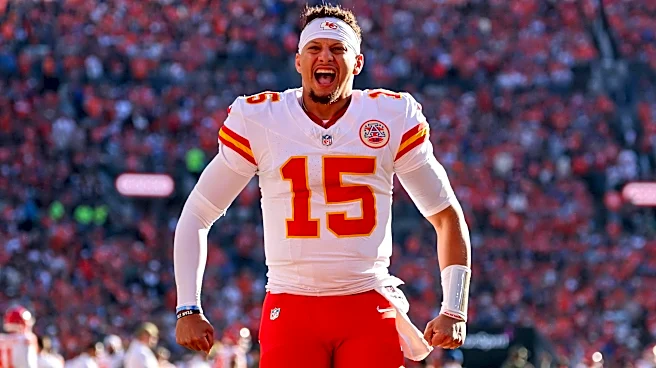
The role of an NFL player has evolved beyond simply playing football, with increasing expectations for athletes to cultivate personal brands. Players are now engaging in activities such as building social media followings, launching podcasts, appearing
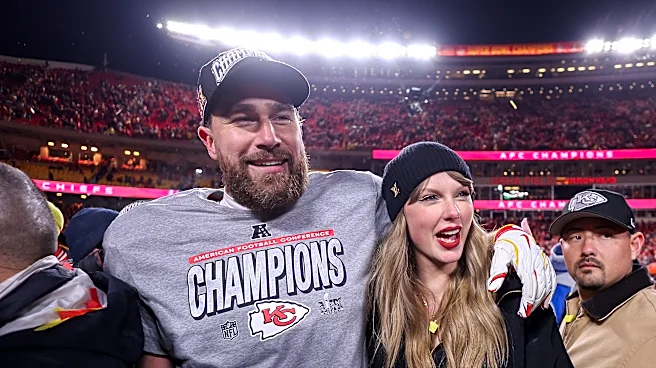
in commercials, and developing clothing lines. This shift is transforming football into a platform for broader business ventures rather than being the sole focus of a player's career. Travis Kelce, for instance, has leveraged his platform with his brother Jason Kelce to turn their 'New Heights' podcast into a significant media property, reportedly signing a three-year deal with Amazon's Wondery worth over $100 million. This trend allows players more control over their narratives and creates financial opportunities that can extend beyond their playing careers. The NFL Players Association has also embraced this evolution, supporting players in developing their brands off the field.
Why It's Important?
This transformation in the NFL player's role has significant implications for both athletes and the league. For players, building a personal brand offers a crucial hedge against the short and unpredictable nature of an NFL career, providing potential long-term financial stability and influence. It also grants them direct communication channels with fans, bypassing traditional media gatekeepers. However, this added expectation creates a 'second job' for players, demanding constant visibility, content creation, and engagement, which can be mentally and physically taxing without an offseason. For the NFL, players with strong personal brands enhance the league's marketability and reach, turning athletes into recognizable personalities that attract a wider audience. The league benefits from these personalities, but it also places more pressure on players to maintain their public image, creating a complex dynamic between individual branding and team/league interests.
What's Next?
The trend of NFL players building personal brands is likely to continue and intensify, with more athletes seeking to capitalize on their fame and influence. This could lead to further diversification of player-led businesses and media ventures. The NFL and its Players Association may need to adapt policies and support systems to help players manage the demands of both their athletic careers and their burgeoning personal brands. We might see more formal training or resources offered to players on brand management, media engagement, and business development. Additionally, the line between athlete and entertainer will likely blur further, potentially influencing how players are scouted, drafted, and marketed. The success of ventures like the 'New Heights' podcast will serve as a blueprint for other athletes looking to extend their careers and influence beyond the field.
Beyond the Headlines
The rise of the athlete-entrepreneur in the NFL reflects broader societal shifts in media consumption and personal branding. It highlights the increasing power of individual platforms and the monetization of personality in the digital age. Ethically, it raises questions about the balance between individual commercial pursuits and team commitments, as well as the potential for brand-related controversies to impact a player's career or team. Legally, it could lead to new types of endorsement deals, intellectual property considerations, and contractual clauses related to off-field conduct and brand representation. Culturally, it reinforces the idea that professional success in the modern era often requires a multifaceted approach, where one's primary profession serves as a launchpad for a broader portfolio of activities and influence. This evolution could fundamentally alter the public perception of what it means to be a professional athlete.