






What's Happening?
The bleisure travel market, which combines business and leisure travel within the same trip, is experiencing significant growth and is projected to reach approximately $4,177.2 billion by 2035. This represents a substantial increase from its estimated
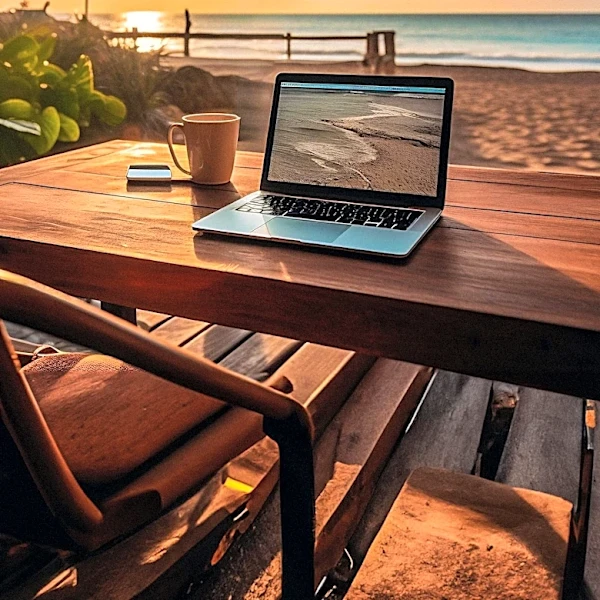
value of $692.7 billion in 2024, with a compound annual growth rate (CAGR) of 17.8% from 2025 to 2035. This trend is driven by professionals seeking greater flexibility and improved work-life balance, often extending business trips with leisure days before or after their work commitments. Digital connectivity advancements have further supported this shift, allowing travelers to remain connected to their workplaces while exploring destinations. The market encompasses various services, including accommodation, transportation, leisure activity packages, and travel insurance, and is segmented by category (solo or group), age group, travel duration, and booking mode (online or offline). Travel companies and hospitality providers are adapting by offering tailored products and services, such as business-friendly amenities alongside leisure facilities, and integrating technology for personalized travel planning.
Why It's Important?
The expansion of the bleisure travel market signifies a fundamental shift in how business travel is perceived and executed, with significant implications for the U.S. tourism and travel ecosystem. This convergence creates new revenue opportunities for accommodation providers, airlines, and local businesses, as bleisure travelers tend to spend more on extended stays, activities, and dining. The emphasis on work-life balance and the rise of remote and hybrid work models are key drivers, allowing professionals more flexibility to combine work with personal travel. This trend encourages destinations to enhance their offerings to attract these travelers, potentially leading to increased investment in local infrastructure and leisure attractions. For U.S. businesses, understanding and catering to bleisure travelers can be crucial for competitive advantage, as it influences employee satisfaction and retention by offering more appealing travel options. The market's growth also highlights the increasing importance of technology in travel planning, pushing companies to innovate in digital booking platforms, AI-powered recommendations, and real-time travel information.
What's Next?
The bleisure travel market is expected to continue its rapid expansion, with key players focusing on enhancing service portfolios, improving digital travel experiences, and developing personalized offerings. Strategic partnerships and acquisitions among online travel agencies, corporate travel management companies, and technology providers will likely increase to create integrated travel solutions. The integration of artificial intelligence and advanced data analytics will become even more critical for providing relevant recommendations based on customer preferences and booking behavior. Travel companies will likely develop more flexible packages that allow seamless addition of leisure components to business itineraries. Hotels may increase revenue by offering extended-stay packages and business-friendly leisure experiences, while destination management companies will create customized cultural, recreational, and entertainment packages. The market will also see continued innovation in digital booking platforms, mobile applications, and AI-enabled tools to simplify itinerary customization and discover leisure opportunities around business schedules.
Beyond the Headlines
The rise of bleisure travel reflects a broader cultural shift towards valuing flexibility and work-life integration, blurring the lines between professional and personal time. This trend could lead to a re-evaluation of corporate travel policies, potentially encouraging companies to support or even subsidize leisure extensions as a perk for employees. It also raises ethical considerations regarding the distinction between business and personal expenses, and how companies manage employee well-being during extended trips. From a societal perspective, the increased blending of work and leisure travel could foster greater cultural exchange and understanding as professionals spend more time exploring diverse destinations. The long-term impact might include a more sustainable approach to travel, as individuals maximize the utility of each trip rather than taking separate, shorter vacations. This evolution could also influence urban planning, with cities developing more mixed-use spaces that cater to both business and leisure needs, further integrating work and life experiences.