









What's Happening?
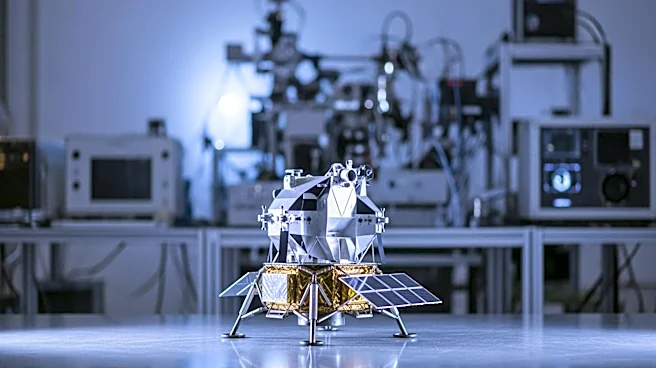
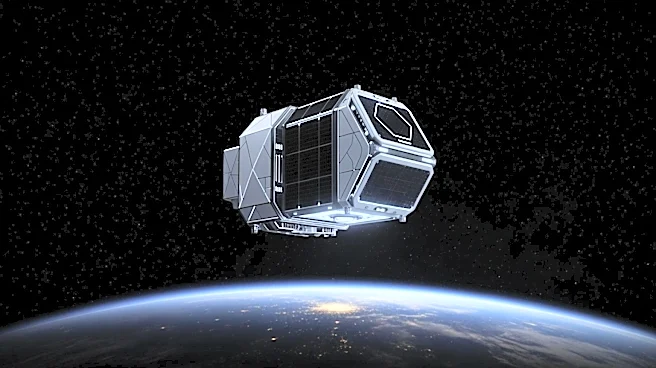
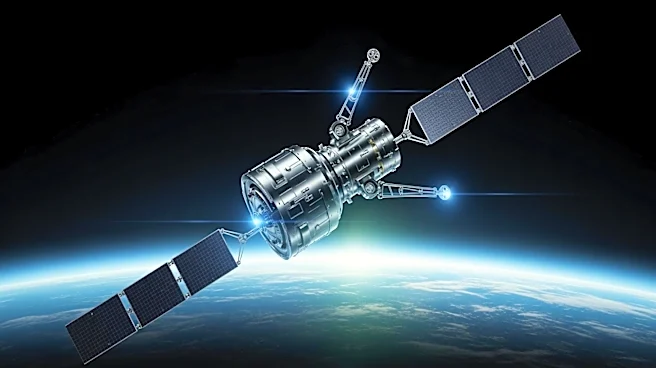
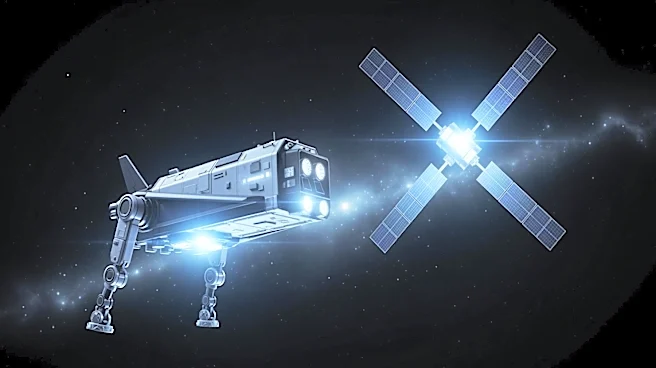
Katalyst Space has raised $12 million to develop its first geostationary orbit (GEO)-capable robotic servicing spacecraft, NEXUS, set to launch in 2027. The funding round was led by Geodesic Capital with participation from Fortitude Ventures. NEXUS will
demonstrate a range of in-space servicing capabilities, including rendezvous and docking with satellites, and providing life-extension services. This initiative follows a $30 million NASA contract for Katalyst's LINK spacecraft to service the Neil Gehrels Swift Observatory, scheduled for launch on June 27.
Why It's Important?
The development of NEXUS represents a significant step forward in satellite servicing technology, potentially transforming how satellites are maintained and extended in orbit. This capability could reduce the need for new satellite launches, lowering costs and environmental impact. The project also highlights the growing importance of in-space servicing as a commercial sector, with implications for national security and commercial satellite operations.
What's Next?
Katalyst plans to deploy a fleet of NEXUS spacecraft to provide multiple revenue-generating services, enhancing the economic viability of satellite servicing. The success of these missions could lead to broader adoption of in-space servicing technologies, influencing future satellite design and operations.