

What's Happening?
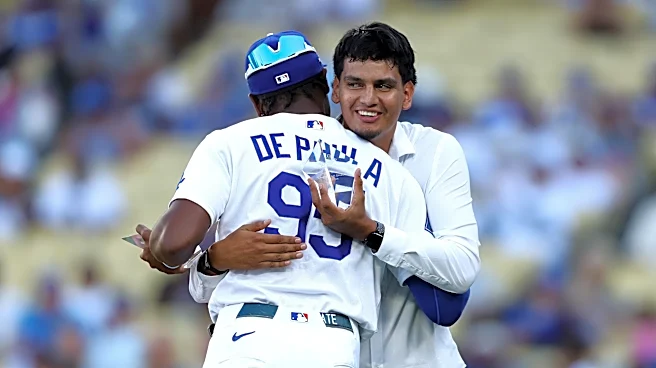
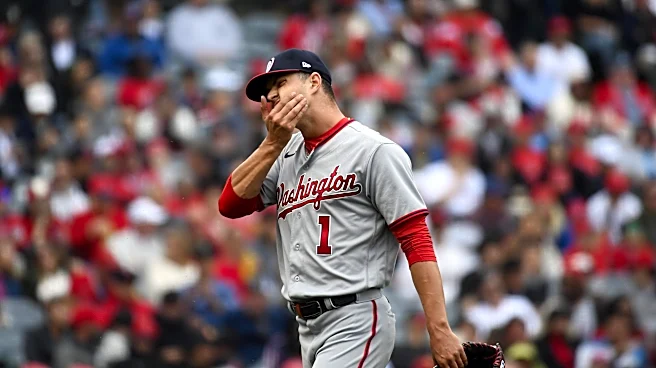
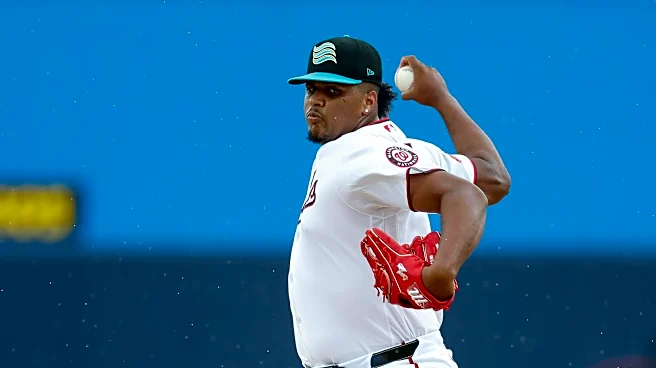
The Washington Nationals have designated right-handed pitcher Josiah Gray for assignment, a significant move following a series of injuries and an uncertain role for the 2027 season. Gray, acquired in the 2021 trade that sent Max Scherzer and Trea Turner
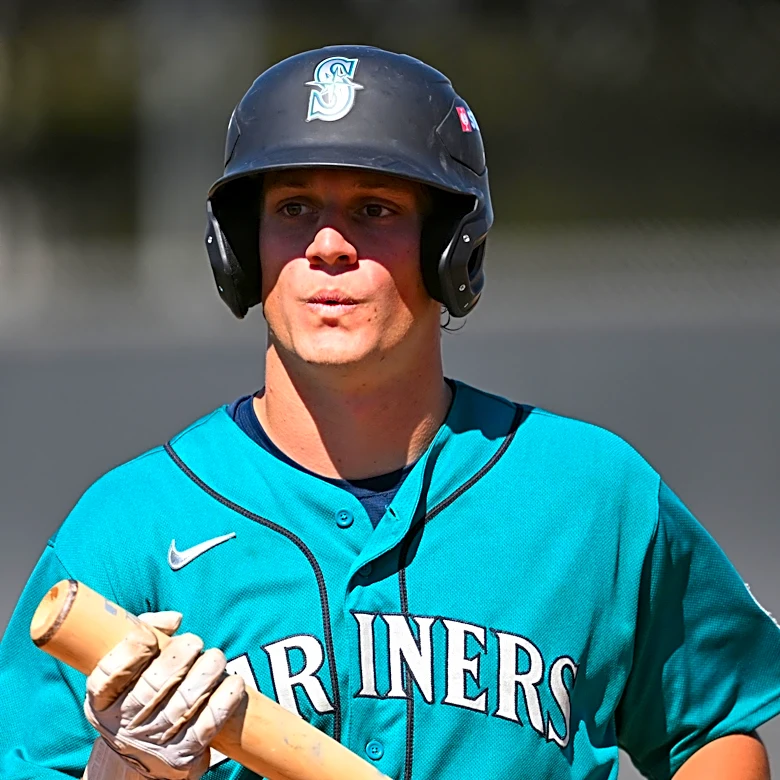
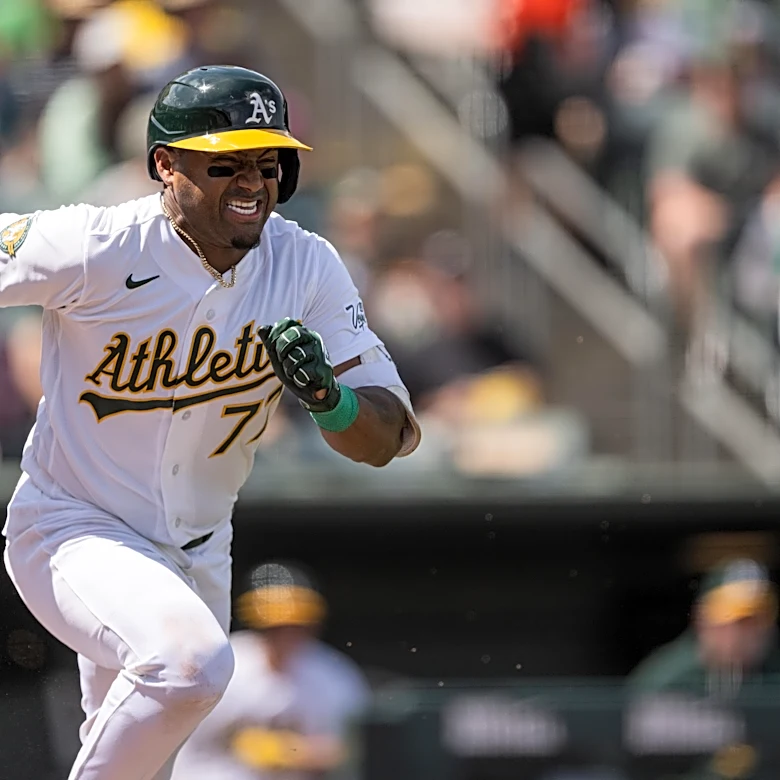
to the Los Angeles Dodgers, had been an All-Star in 2023 and started Opening Day in 2024. However, forearm injuries in 2024 led to Tommy John surgery and an internal brace procedure, sidelining him for over a year. After a setback this spring and extensive minor league rehab, Gray returned to the major league bullpen for two appearances, recording his first career save on September 25. This decision was made as the Nationals added three pitching prospects—right-handers Jarlin Susana, Travis Sykora, and Alejandro Rosario—to their 40-man roster to protect them from the Rule 5 Draft. Additionally, the team claimed left-hander Philip Abner off waivers from the Orioles, necessitating further roster adjustments. To accommodate these additions, the Nationals also designated right-handed reliever Gus Varland, left-handed pitcher Carson Palmquist, and right-handed starting pitcher Braxton Roxby for assignment, filling their 40-man roster.
Why It's Important?
This move signifies a strategic shift for the Washington Nationals, prioritizing future talent development over established, albeit injury-plagued, players. Designating Josiah Gray, a former All-Star and a popular figure among fans and in the clubhouse, indicates the organization's commitment to its long-term vision, even if it means parting ways with a player who has shown flashes of potential. The protection of prospects Jarlin Susana and Travis Sykora, considered the organization's top two pitching prospects, underscores their perceived value and future impact. Susana's impressive performance in the Arizona Fall League, where he earned Pitcher of the Year honors, highlights his rapid development. Sykora, despite missing the 2026 season due to Tommy John surgery, is still viewed as a crucial part of the team's future. These roster decisions reflect the Nationals' ongoing rebuilding efforts, aiming to cultivate a new core of players to compete in the coming seasons. The decision also highlights the harsh realities of professional baseball, where injuries can quickly alter a player's trajectory and an organization's plans.
What's Next?
Josiah Gray's future with the Washington Nationals is now uncertain. As a designated player, he can be traded, claimed off waivers by another team, or released. If he clears waivers, he could be outrighted to the minor leagues, though his major league experience and previous success make that less likely. For the Nationals, the focus will shift to the development of their newly protected prospects. Jarlin Susana, Travis Sykora, and Alejandro Rosario will continue their progression through the minor league system, with the organization hoping they can contribute at the major league level in the near future. The Rule 5 Draft, if it proceeds, will be another key event, as other unprotected prospects like catcher Maxwell Romero Jr. and infielder Cayden Wallace could be selected by other teams. The addition of Philip Abner provides another left-handed option for the bullpen, and his performance will be monitored. The team will also need to assess how these roster changes impact their overall strategy for the upcoming season and beyond, particularly regarding their pitching rotation and bullpen composition.
Beyond the Headlines
The decision to designate Josiah Gray for assignment extends beyond a simple roster move; it reflects the complex interplay of player development, injury management, and strategic long-term planning in professional sports. For Gray, it represents a significant career crossroads, highlighting the fragility of a professional athlete's career in the face of severe injuries. His journey from a highly touted prospect to an All-Star, then through a challenging rehabilitation process, and now to an uncertain future, underscores the immense physical and mental toll of baseball. For the Nationals, this move signals a clear commitment to a youth movement, prioritizing potential over past performance when faced with roster constraints. It also raises questions about the organization's ability to develop and retain pitching talent, especially given Gray's initial promise. The impact on team morale and fan sentiment, particularly for a player as well-liked as Gray, is also a subtle but important consideration. This decision could be a pivotal moment in the Nationals' rebuilding phase, shaping the team's identity and competitive outlook for years to come.