




What's Happening?
Iowa cities are increasingly confronting public scrutiny and debate over proposals for new data centers, a topic that dominated discussions at the recent Iowa League of Cities annual conference. While these projects promise significant tax revenue and job
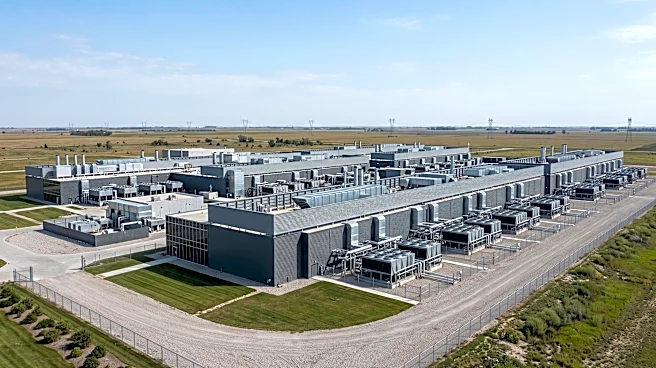
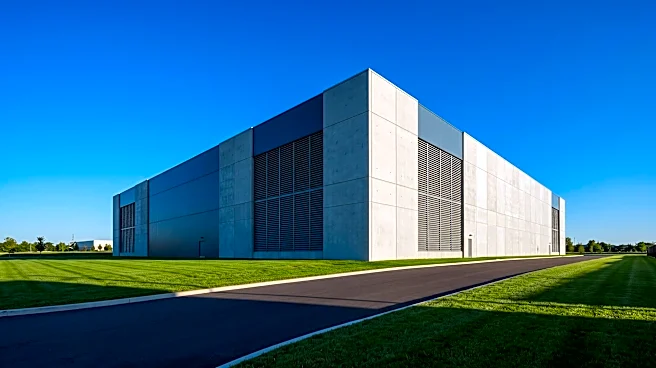
creation, residents are raising serious questions about their impact on water, electricity, and land use. Clinton, Iowa, is currently at the forefront of this issue, debating a proposed 1,100-acre AI data center campus by QTS Data Centers, owned by Blackstone Inc., which would be the largest in the state. This project is projected to generate nearly $200 million in property tax revenue over its first decade and create numerous temporary construction jobs. However, public anger and a perceived lack of transparency from tech and data center companies are making it challenging for city officials to navigate these proposals, as residents feel shut out of the decision-making process.
Why It's Important?
The proliferation of data center proposals in Iowa carries significant economic and environmental implications for the state. While the promise of substantial property tax revenue and job creation is attractive to communities facing tight budgets, the demands these facilities place on local resources, particularly water and electricity, are considerable. This situation highlights a growing tension between economic development and environmental sustainability. The public's frustration over a lack of transparency from developers and city officials can erode trust in local governance and lead to significant community opposition, potentially delaying or derailing projects that could otherwise bring economic benefits. The outcome of these debates will shape Iowa's economic landscape, its approach to resource management, and the relationship between corporations, local governments, and their constituents.
What's Next?
The Iowa League of Cities has provided a framework for local leaders to evaluate data center proposals, focusing on planning, zoning, water resources, energy needs, and economic development. Moving forward, cities are encouraged to demand greater transparency from developers regarding water usage, power consumption, and tax terms early in the process. This proactive approach aims to foster trust and ensure residents are informed before projects reach a critical decision stage. Developers, in turn, are expected to disclose this information directly to communities rather than relying on rumors or late-stage presentations. The ongoing discussions and decisions in cities like Clinton will likely set precedents for how future data center projects are handled across Iowa, potentially leading to more stringent requirements for transparency and community engagement.
Beyond the Headlines
The debate surrounding data centers in Iowa extends beyond immediate economic and environmental concerns, touching upon deeper issues of community autonomy and the ethics of corporate development. The public's "hair on fire" reaction, as described by an Ames City Council member, suggests a fundamental distrust when facts are perceived to be withheld or presented too late. This highlights a broader societal challenge in the digital age: how communities can balance the allure of technological advancement and economic growth with the preservation of local resources and democratic decision-making. The need for developers to be candid about resource demands and tax terms speaks to a call for greater corporate social responsibility. Ultimately, how Iowa cities navigate these proposals will reflect their commitment to sustainable development, transparent governance, and empowering their residents in decisions that profoundly affect their future.