





What's Happening?
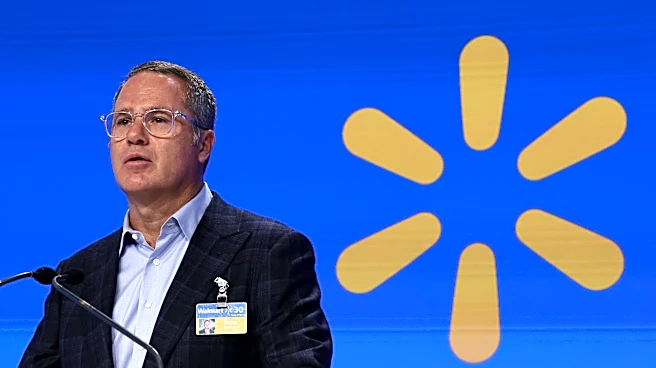
Doug McMillon concluded his tenure as Walmart's President and CEO on January 31, 2026, after leading the retail giant for nearly 12 years. John Furner, who previously headed Walmart's U.S. operations, succeeded McMillon as President and CEO on February
1, 2026. McMillon, who joined Walmart in 1984 as an hourly associate, ascended through various senior roles, including leadership positions at Sam’s Club and Walmart International, before becoming CEO in 2014. During his leadership, McMillon spearheaded Walmart's transformation into a technology-powered omnichannel retail model, significantly expanding its e-commerce capabilities and integrating its physical and digital operations. His strategic initiatives also included substantial investments in supply chain modernization, automation, and workforce development, such as increased wages, expanded parental leave, and educational opportunities for associates. Under McMillon, Walmart's global e-commerce sales surpassed $150 billion by fiscal year 2026, with continued growth in its advertising and membership businesses.
Why It's Important?
McMillon's departure marks a significant leadership transition for one of the world's largest retailers, impacting its strategic direction and competitive stance in the evolving retail landscape. His focus on e-commerce and technology has been crucial in positioning Walmart against rivals like Amazon, particularly as consumer shopping habits shift online. The continuity of leadership with John Furner, who was instrumental in the U.S. business, suggests a continued emphasis on the omnichannel strategy and further development of Walmart as a platform that includes advertising, a marketplace, and subscription models. This transition is critical for Walmart's ability to maintain its market share, drive profitable growth, and adapt to ongoing pressures from online competitors and changing consumer expectations. The success of Furner's leadership will influence not only Walmart's financial performance but also broader trends in the retail sector, particularly regarding the integration of digital and physical retail experiences.
What's Next?
Following John Furner's assumption of the CEO role, Walmart is expected to continue its strategic focus on evolving into an omnichannel platform. This involves further investments in e-commerce, technology, and supply chain efficiencies to enhance customer experience and operational productivity. Furner's prior experience leading the U.S. business suggests a continued emphasis on integrating Walmart's vast physical store network with its digital offerings, aiming to leverage its scale and reach. The company will likely further develop its advertising and membership businesses, which have shown significant growth and contribute to higher margins. Analysts will closely watch Walmart's financial reports under Furner's leadership, particularly regarding comparable U.S. sales and the profitability of its digital initiatives, to assess the effectiveness of the ongoing transformation. The retail industry will also observe how Walmart navigates competitive pressures and consumer spending trends under its new leadership.
Beyond the Headlines
The leadership change at Walmart reflects a broader trend in the retail industry where traditional brick-and-mortar giants are undergoing massive digital transformations to remain competitive. McMillon's legacy is defined by his foresight in steering Walmart towards a technology-driven future, recognizing that physical presence alone was insufficient. This shift has profound implications for employment, as automation and technology integration reshape job roles within the retail sector, requiring new skill sets from the workforce. Furthermore, Walmart's evolution into a platform business, incorporating advertising and a marketplace, signifies a diversification of revenue streams beyond traditional retail, mirroring strategies employed by tech giants. This strategic pivot could influence how other large retailers adapt, potentially accelerating the convergence of retail, technology, and media sectors. The long-term success of this model under Furner will serve as a case study for how established enterprises can reinvent themselves in a rapidly changing economic and technological landscape.