




What's Happening?
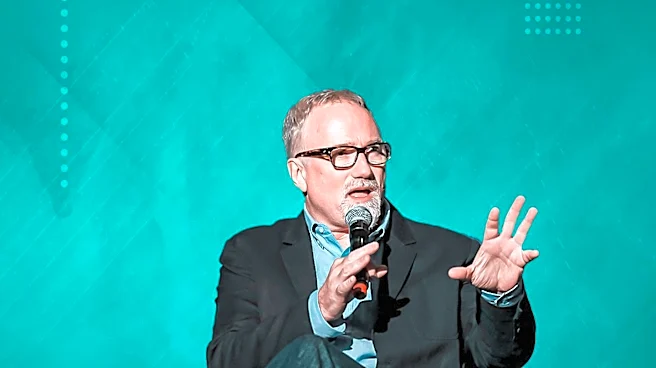
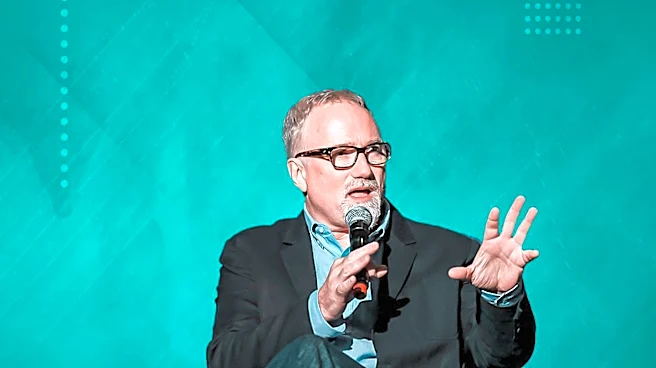
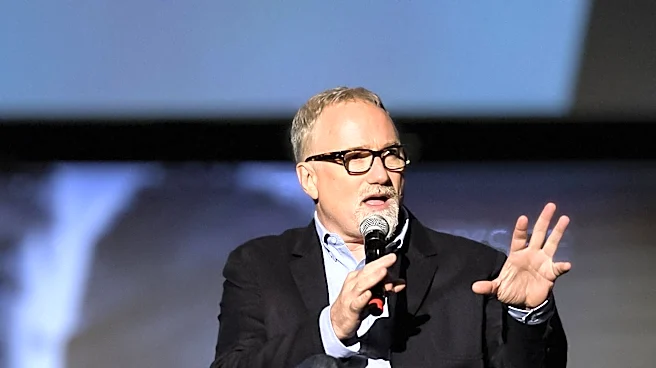
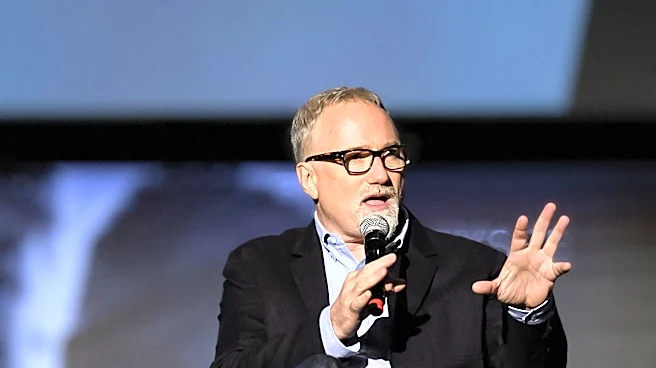
Director David Fincher has confessed to fabricating a story about a disagreement with actor Ben Affleck during the production of their 2014 film, 'Gone Girl.' Fincher had previously claimed in the film's DVD commentary that he and Affleck had a significant
argument over Affleck's reluctance to wear a New York Yankees baseball cap, which allegedly caused production delays. This admission came during an appearance on the 'Happy, Sad, Confused' podcast. The host, Josh Horowitz, directly questioned Fincher about the incident, referencing Affleck's prior appearance on the same podcast where the actor had called Fincher a 'motherf---ing liar' regarding the hat story. Fincher's recent statement confirms that the entire narrative of a contentious on-set dispute over the Yankees hat was invented by him.
Why It's Important?
This revelation offers a glimpse into the dynamics of filmmaking and the narratives that can emerge from behind-the-scenes accounts. While seemingly a minor anecdote, Fincher's admission highlights how stories, even fabricated ones, can become part of a film's lore and influence public perception of the creative process and the individuals involved. For actors like Ben Affleck, such stories, even if untrue, can contribute to their public image or reputation within the industry. It also underscores the potential for directors to shape narratives about their productions, sometimes for reasons that remain unclear, whether for entertainment, to create a certain mystique, or for other undisclosed motivations. The incident also demonstrates the power of podcasts and interviews in bringing previously unverified or disputed claims to light, allowing for clarification and truth-telling years after the fact.
What's Next?
While this specific revelation is unlikely to have major immediate consequences for either David Fincher or Ben Affleck, it may prompt further discussion among film enthusiasts and industry insiders about the veracity of behind-the-scenes stories. It could also lead to more cautious interpretations of anecdotal accounts from film sets, encouraging a more critical approach to such narratives. For Fincher, it might slightly alter his public image as a director, perhaps adding a layer of playful deception to his persona. For Affleck, it serves as a public vindication regarding his earlier denial of the incident. The broader impact might be a subtle shift in how film commentary and director interviews are perceived, with audiences potentially becoming more discerning about the 'truths' shared from the filmmaking process.
Beyond the Headlines
Beyond the immediate news, this incident touches upon the broader theme of storytelling within the entertainment industry itself. Filmmakers and actors often craft narratives not just on screen, but also about their experiences creating those screens. These narratives can serve various purposes, from promoting a film to shaping personal brands or even creating a sense of mystique around the creative process. Fincher's admission raises questions about the ethical boundaries of such storytelling, particularly when it involves fabricating details about professional interactions. It also highlights the blurred lines between reality and performance in the public sphere, where even off-screen anecdotes can be carefully constructed. This event could subtly influence how future behind-the-scenes stories are presented and received, encouraging a greater emphasis on authenticity or, conversely, leading to more elaborate fictionalizations.