



What's Happening?
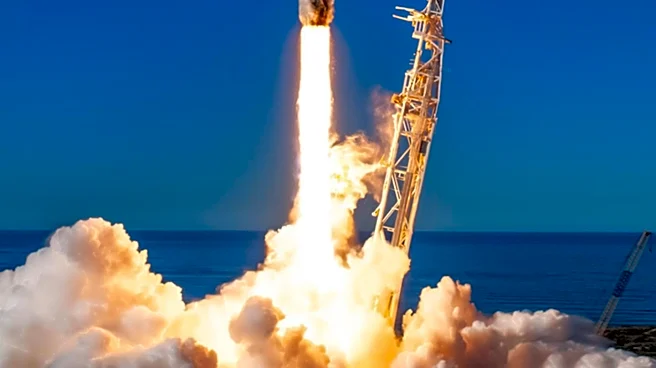
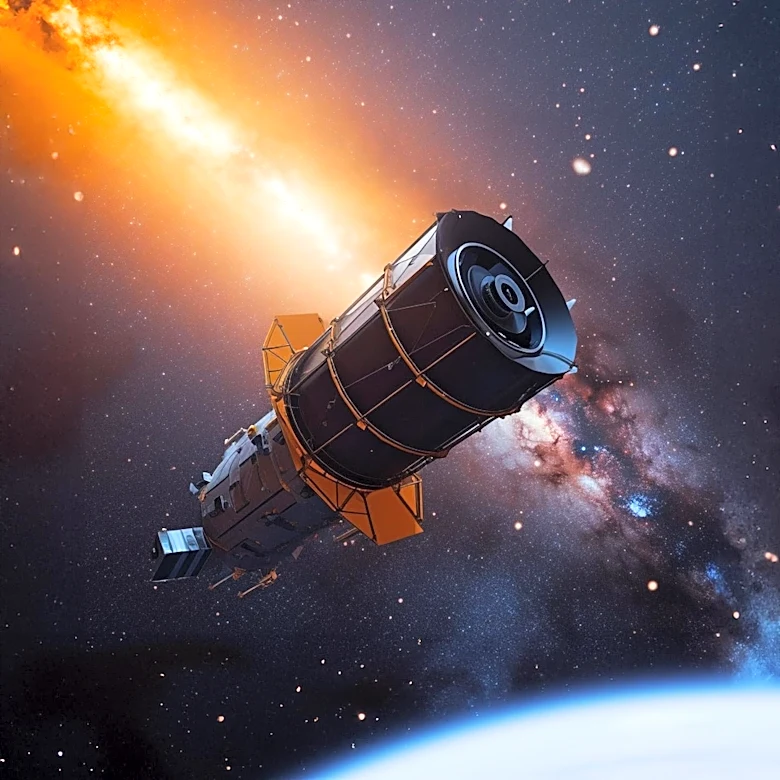
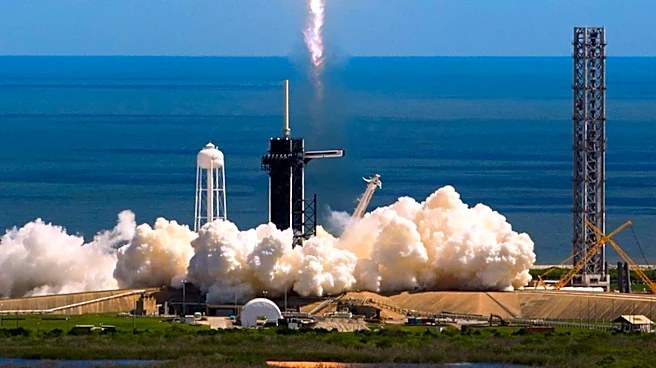
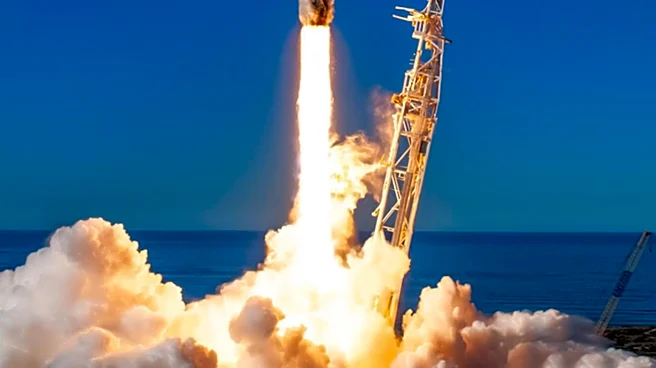
SpaceX successfully launched a Falcon 9 rocket from Vandenberg Space Force Base in California, deploying 24 Starlink satellites into low-Earth orbit. The launch occurred on July 31, 2026, at 7:59 p.m. PDT, marking the 90th Falcon rocket launch of the year
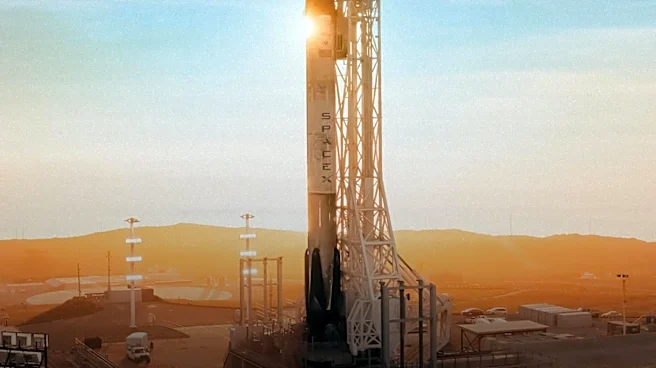
and the 69th batch of Starlink V2 Mini satellites launched in 2026. The Falcon 9 first stage, designated B1081, has completed 25 previous missions and aimed for a landing on the droneship 'Of Course I Still Love You' in the Pacific Ocean. The launch was part of SpaceX's ongoing efforts to expand its Starlink internet satellite constellation, which operates from low-Earth orbit to provide high-speed internet access, particularly in rural and underserved areas.
Why It's Important?
The successful deployment of 24 Starlink satellites is significant for SpaceX's mission to provide global internet coverage, especially in remote and underserved regions. By operating in low-Earth orbit, these satellites can offer faster internet speeds compared to traditional satellites positioned further from Earth. This launch contributes to SpaceX's growing constellation, which is crucial for maintaining and expanding its internet service capabilities. The reusable nature of the Falcon 9 rocket also highlights SpaceX's commitment to reducing the cost of space travel and increasing the frequency of launches, which could have broader implications for the commercial space industry and global internet accessibility.
What's Next?
Following the launch, the Falcon 9 rocket's booster is expected to land on a SpaceX droneship in the Pacific Ocean, allowing for its recovery and reuse in future missions. This practice of reusing rocket components is a key aspect of SpaceX's strategy to lower costs and increase the sustainability of space travel. As SpaceX continues to launch more satellites, the company aims to enhance its Starlink service, potentially expanding its customer base and improving internet access worldwide. Future launches are likely to follow, as SpaceX works towards its goal of a comprehensive satellite network.