


What's Happening?
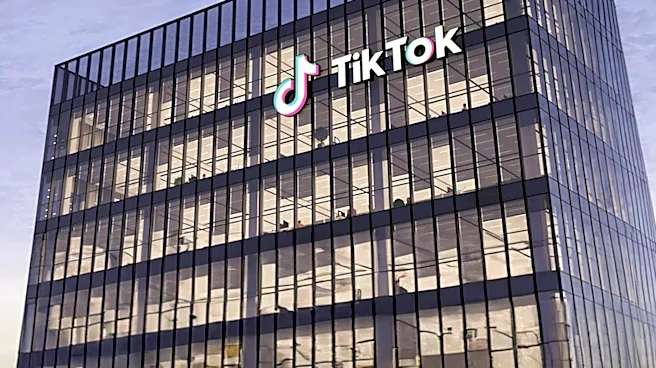
The Motion Picture Association (MPA) has reached an agreement with ByteDance, the owner of TikTok, regarding restrictions on the use of studio intellectual property (IP) in AI-generated video and images. This agreement follows a cease and desist letter
sent by the MPA to ByteDance in February, addressing concerns over the use of copyrighted material in ByteDance's AI tools, Seedream 5.0 Lite and Seedance 2.0. Users had been prompting these tools to repurpose copyrighted content, including a video depicting actors Tom Cruise and Brad Pitt in a fight. The new Memorandum of Understanding (MOU) establishes a framework for ongoing collaboration to implement and fortify guardrails against such unauthorized use of IP. The agreement specifically applies to image models provided by TikTok, the TikTok USDS Joint Venture, CapCut, and Dreamina.
Why It's Important?
This agreement is a significant step in addressing the complex issue of intellectual property rights in the rapidly evolving field of generative AI. It sets a precedent for how major content creators and AI technology companies can collaborate to protect copyrighted material. The entertainment industry, particularly film studios, faces substantial challenges from AI tools that can easily replicate and manipulate their content, potentially undermining their creative and financial investments. This collaboration aims to establish industry standards for responsible AI development and usage, ensuring that AI advancements do not come at the expense of creators' rights. It also highlights the growing need for clear policies and technological solutions to manage IP in the age of AI, impacting future agreements and legal frameworks concerning generative AI across various sectors.
What's Next?
The agreement signifies an ongoing commitment to collaboration between the MPA and ByteDance, suggesting further development and implementation of IP protection measures as AI technology evolves. ByteDance's general counsel, John Rogovin, stated that the MOU provides an important framework for continued collaboration across various products and platforms. The MPA views this as a crucial step in establishing that IP can and should be protected in the generative AI space. While this agreement addresses some concerns, individual studios are also pursuing separate legal challenges against AI models for using their IP in training data and generating outputs. This indicates that the legal and technological landscape surrounding AI and IP protection will continue to be a dynamic area, with ongoing efforts to define fair use and establish robust safeguards.
Beyond the Headlines
This agreement touches upon deeper implications regarding the future of creativity, ownership, and ethical AI development. The ability of AI to generate content that mimics or repurposes existing IP raises fundamental questions about originality and the value of human artistic endeavor. It also highlights the tension between technological innovation and the protection of established rights. The outcome of such collaborations and legal battles will likely shape the regulatory environment for AI, influencing how AI models are trained, how their outputs are governed, and the extent to which they can draw upon existing cultural and artistic works. This could lead to new business models for content licensing in the AI era or stricter enforcement mechanisms to prevent unauthorized use, ultimately redefining the relationship between technology, art, and law.