





What's Happening?
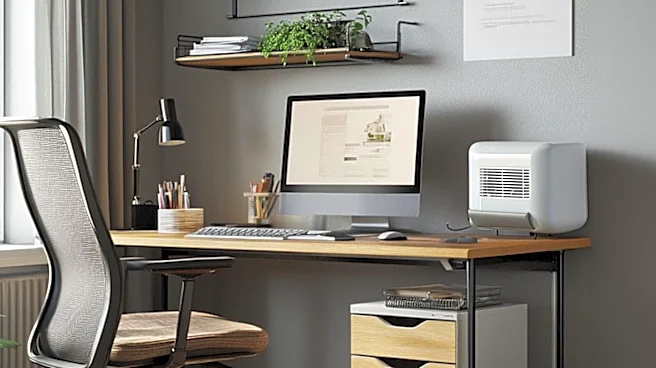
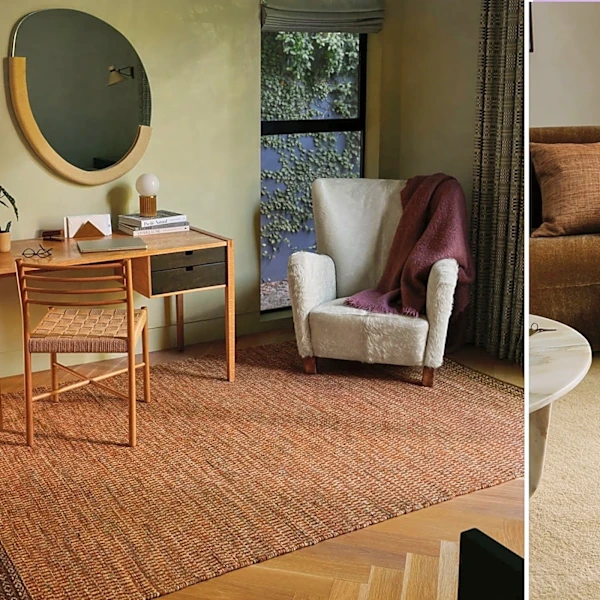
Creating a functional home office, especially in limited spaces, requires careful planning focused on comfort and usability. Key considerations include selecting a desk that fits the available area, utilizing vertical storage solutions like shelves and wall-mounted
units, and choosing compact furniture to maximize floor space. Unused corners, alcoves, or even closets can be repurposed into effective workstations. For basic setups involving a laptop or writing, a 32-40 inch desk is often sufficient. However, for those using one or more monitors, a 47-55 inch desk is recommended to prevent a cramped environment. Desk depth is also crucial, with 24-28 inches allowing for comfortable viewing distances and better posture, while shallower desks can lead to strain. The overall approach prioritizes designing the workspace around individual working habits and equipment needs, rather than solely focusing on aesthetics.
Why It's Important?
The increasing prevalence of remote work in the U.S. makes efficient home office setups critical for productivity and employee well-being. A well-designed home office can significantly reduce physical strain, improve concentration, and help maintain a clear boundary between work and personal life. For businesses, supporting employees in creating effective home workspaces can lead to higher job satisfaction, reduced absenteeism due to discomfort, and sustained productivity. Individuals benefit from a dedicated space that minimizes distractions and optimizes their workflow, preventing issues like poor posture or eye strain that can arise from makeshift setups. The emphasis on ergonomic furniture and thoughtful space utilization underscores a broader shift towards integrating work seamlessly and healthily into residential environments, impacting furniture manufacturers, office supply retailers, and real estate markets as demand for adaptable living spaces grows.
What's Next?
As remote and hybrid work models continue to evolve, the demand for innovative home office solutions is expected to grow. Consumers will likely seek more versatile and space-saving furniture designs, prompting manufacturers to develop products that cater to diverse living situations, from small apartments to multi-purpose rooms. There will also be an increased focus on integrated technology solutions, such as smart lighting and cable management systems, to enhance the functionality and aesthetics of home workspaces. Retailers may expand their offerings of ergonomic chairs, adjustable desks, and modular storage units. Furthermore, interior design trends will continue to incorporate home office considerations, influencing how residential spaces are marketed and utilized, with a focus on creating adaptable and comfortable work environments that support long-term remote employment.
Beyond the Headlines
The shift towards optimizing home office spaces reflects a deeper cultural and economic transformation in the U.S. It highlights the blurring lines between professional and personal life, necessitating intentional design to maintain mental and physical well-being. The emphasis on comfort and functionality over mere appearance underscores a growing awareness of ergonomics and its impact on health, potentially leading to a broader adoption of ergonomic principles in everyday living. This trend also raises questions about the future of traditional office spaces and urban planning, as more people work from home, potentially decentralizing economic activity and altering commuting patterns. The ethical implications of employer responsibility for home office conditions and the psychological effects of prolonged remote work in confined spaces are also emerging considerations, prompting discussions around work-life balance and employee support in the evolving work landscape.