






What's Happening?
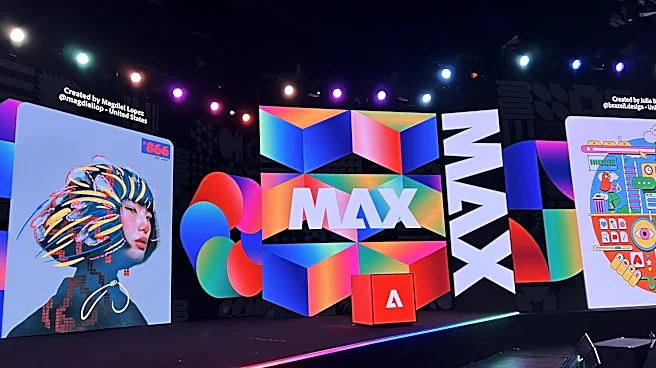
Adobe is significantly enhancing its product lineup, including Photoshop, Premiere, Illustrator, and InDesign, with new AI capabilities. This initiative was announced at its MAX event in Miami. The company is also expanding the AI features within its creative
tool, Firefly, and launching a Model Context Protocol (MCP). This MCP will allow other AI chatbots, such as ChatGPT, Claude, or Gemini, to utilize Adobe features. Firefly is also introducing a new prototyping tool in private beta called Builder, which aims to compete with Figma by enabling users to create designs for showcasing ideas. Additionally, new tools for creating on-brand graphs and an image-editing tool that allows selective image modification are being rolled out. An AI-powered video tool in Firefly will facilitate video assembly from various elements, and Adobe is making its AI agent proactive to provide continuous context and assist with tasks like background removal or thumbnail generation. Existing applications like Photoshop, Express, Premiere, and Illustrator are receiving further AI updates, including a new relighting feature and generative style sliders for Photoshop, a new color grading system and object removal for Premiere, and blinking eye correction and blemish removal for Lightroom. Adobe also integrates third-party models from companies like Google, Runway, ElevenLabs, Black Forest Labs, OpenAI, Kling, and ByteDance, and its acquisition, Topaz Labs, is releasing new image models for upscaling, denoising, and HDR conversion.
Why It's Important?
This extensive integration of AI across Adobe's creative suite signifies a major shift in how creative professionals will interact with their tools, potentially streamlining workflows and expanding creative possibilities. The introduction of the Model Context Protocol (MCP) is particularly important as it aims to democratize access to Adobe's powerful features by allowing external AI platforms to leverage them. This could foster a more interconnected ecosystem of creative AI tools, potentially leading to new applications and efficiencies for designers, video editors, and other creative professionals. For businesses, these advancements could translate into faster content creation, more sophisticated marketing materials, and enhanced brand consistency through AI-driven design. The competition with Figma in prototyping also highlights Adobe's ambition to maintain its market leadership in creative software by adapting to evolving industry trends and user needs. The ability to integrate various third-party AI models also positions Adobe as a central hub for cutting-edge AI in creative work, offering users a broader range of specialized AI functionalities.
What's Next?
Adobe plans to continue refining its MCP based on user feedback, determining which capabilities to expose to external chatbots. This iterative approach suggests a flexible and evolving strategy for AI integration. The private beta for the Firefly Builder prototyping tool indicates a phased rollout, with broader availability likely following user testing and refinement. The ongoing updates to existing applications like Photoshop and Premiere suggest a continuous cycle of AI-driven feature enhancements. The company's strategy of integrating third-party AI models implies that future developments will likely involve collaborations and acquisitions to bring more specialized AI functionalities into its ecosystem. The competitive landscape, particularly with rivals like Figma, will likely drive further innovation in AI-powered creative tools, pushing the boundaries of what's possible in design and content creation.
Beyond the Headlines
The deeper implications of Adobe's AI expansion touch upon the evolving nature of creative work and the role of human creativity in an AI-augmented world. While AI tools promise increased efficiency and new creative avenues, they also raise questions about the future of traditional design skills and the potential for AI to automate certain aspects of creative tasks. The ethical considerations surrounding AI-generated content, such as originality, copyright, and potential biases embedded in AI models, will become increasingly prominent. The MCP's ability to allow external AI platforms to access Adobe features could lead to a more fragmented yet interconnected creative workflow, where different AI agents specialize in various aspects of content creation. This could foster a new paradigm of collaborative AI, where multiple AI systems work in concert with human designers to achieve complex creative goals. The ongoing development will likely spark discussions about the balance between AI assistance and human artistic expression, and how these technologies will reshape the creative industries in the long term.