


What's Happening?
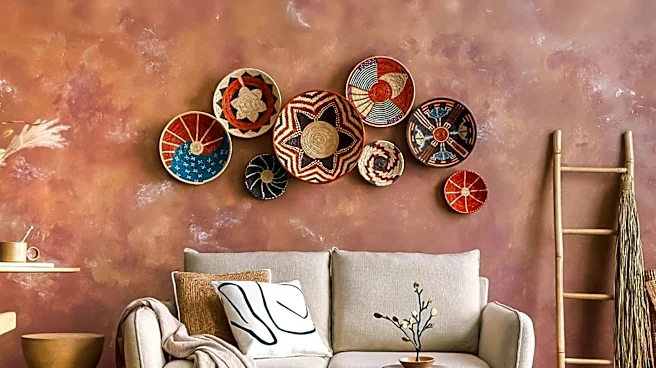
The concept of gallery walls in home decor is expanding beyond conventional framed artwork to include diverse items such as cutting boards, vintage flags, and flea market finds. This shift allows for more personalized and eclectic displays. Key to successful
gallery wall design is maintaining consistent spacing, typically 2–4 inches between frames, to ensure a cohesive look, whether the arrangement is symmetrical or asymmetrical. For smaller living spaces, a single large artwork or mirror is now recommended over a cluttered gallery wall to create a sense of spaciousness. Similarly, wide consoles are best complemented by oversized horizontal artwork. In interiors inspired by Zen aesthetics, the trend leans towards restraint, favoring one or two meaningful pieces rather than an abundance of items. Current design preferences increasingly favor oversized single prints, moving away from busy, multi-item gallery walls. Modern prints often feature organic shapes and warm, earthy color palettes, reflecting a broader trend towards natural and minimalist design elements.
Why It's Important?
This evolution in gallery wall design reflects a broader shift in U.S. home decor towards personalization, minimalism, and the integration of diverse elements. For consumers, it offers greater flexibility and creativity in expressing individual style, moving beyond rigid design conventions. The emphasis on consistent spacing and thoughtful arrangement highlights a growing appreciation for intentional design, even in seemingly informal displays. For the home furnishings and art industries, this trend suggests a potential increase in demand for unique, non-traditional decorative items and larger format prints, while potentially reducing the market for smaller, mass-produced framed art sets. Interior designers and retailers will need to adapt their offerings and advice to cater to these evolving preferences, focusing on curated collections and guidance on achieving balanced, uncluttered aesthetics. The move towards single, oversized pieces in smaller spaces also underscores a practical approach to design, optimizing visual impact and functionality in increasingly compact living environments.
What's Next?
Looking ahead, the trend of incorporating non-traditional items into gallery walls is likely to continue, with consumers seeking out unique and personal objects to display. This could lead to an increased market for artisanal crafts, vintage finds, and repurposed items in home decor. Design publications and social media platforms will likely feature more examples of these eclectic and thoughtfully curated gallery walls, further influencing consumer preferences. Manufacturers and retailers of home decor may respond by offering more diverse decorative objects and larger format art pieces, alongside tools or guides for achieving optimal spacing and arrangement. We might also see a rise in services that help individuals curate and install personalized gallery walls. The emphasis on restraint and single, impactful pieces in smaller spaces suggests a continued move towards functional and aesthetically pleasing minimalism, potentially influencing architectural design to include more dedicated display areas for larger artworks.
Beyond the Headlines
This shift in gallery wall aesthetics reflects deeper cultural and psychological implications. The move away from crowded, multi-item displays towards more curated, often singular, large pieces or thoughtfully spaced eclectic collections, suggests a societal desire for less visual clutter and more intentional living. In an increasingly fast-paced and information-saturated world, people may be seeking sanctuaries within their homes that offer calm and focus, rather than overwhelming visual stimuli. The integration of personal, non-traditional items speaks to a growing value placed on authenticity and individual narrative over mass-produced uniformity. This trend could also be seen as a form of 'slow decorating,' where pieces are collected over time for their meaning and aesthetic appeal, rather than purchased all at once to fill a space. Ethically, it encourages sustainable consumption by valuing existing objects and personal history, potentially reducing the demand for new, disposable decor items. Culturally, it reinforces the home as a reflection of personal identity and a curated space for self-expression.