


What's Happening?
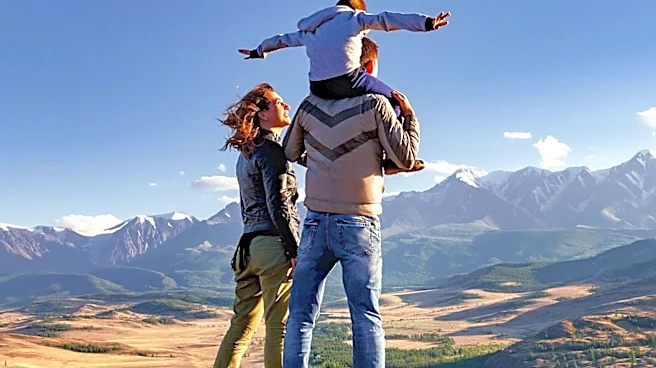
Transylvania's Eastern Carpathians are being highlighted as a destination for family-friendly walking adventures, moving beyond the region's popular association with vampire tales. The area, particularly Harghita County in central Romania, offers dramatic
peaks, abundant wildlife including bears, wolves, and lynx, and a sense of deep solitude. The region's appeal lies in its uncrowded natural landscapes and authentic experiences, which are significantly more affordable than similar destinations in the Dolomites or the Alps. Visitors can engage in activities such as hiking in the Gurghiu mountains, bear-watching at observatories like Medveles Székelyföld and Băile Homorod, and kayaking on lakes such as Lacul Sfânta Ana and Zetea lake. The local culture is heavily influenced by its Hungarian heritage, with most residents identifying as Székelys, reflected in the food and architecture. Accommodations range from lodges and guesthouses, offering a comfortable base for exploring the natural beauty and cultural richness of the area.
Why It's Important?
This shift in perception for Transylvania from a gothic, vampire-centric destination to a family-friendly adventure hub is significant for regional tourism and economic development. By promoting its natural beauty, wildlife, and outdoor activities, Transylvania can attract a broader demographic of travelers, including families and nature enthusiasts, thereby diversifying its tourism revenue streams. The affordability compared to Western European alternatives makes it an attractive option for budget-conscious travelers seeking unique experiences. This focus on ecotourism and adventure travel can also encourage local communities to invest in sustainable practices and infrastructure, preserving the natural environment while creating economic opportunities. Furthermore, highlighting the region's distinct Hungarian cultural heritage adds another layer of appeal, offering visitors a rich, multi-faceted experience that goes beyond superficial stereotypes.
What's Next?
The promotion of Transylvania's Eastern Carpathians as a family adventure destination is likely to continue, with efforts to showcase its diverse offerings. Tour operators and local tourism boards, such as Visit Harghita, will probably emphasize the region's natural attractions, wildlife, and cultural experiences to draw more international visitors. Continued investment in eco-tourism infrastructure, such as hiking trails, wildlife observatories, and sustainable accommodations, can be expected. The region may also see increased marketing efforts targeting families and adventure travelers through various travel platforms. As more travelers seek authentic and less crowded destinations, Transylvania's unique blend of nature, culture, and affordability positions it for potential growth in the coming years, provided that sustainable tourism practices are maintained to protect its pristine environment and local communities.
Beyond the Headlines
The rebranding of Transylvania highlights a broader trend in tourism where destinations seek to shed limiting stereotypes and showcase their full range of attractions. This move can empower local communities by allowing them to present their authentic culture and natural heritage, rather than relying solely on a single, often fictionalized, narrative. It also speaks to a growing consumer demand for 'slow travel' and immersive experiences that prioritize connection with nature and local life over fast-paced, superficial tours. The emphasis on affordability in a region rich in biodiversity and cultural history could also serve as a model for other emerging destinations looking to attract international tourism sustainably. However, managing increased visitor numbers while preserving the delicate ecosystems and cultural authenticity will be a critical challenge, requiring careful planning and community involvement to avoid the pitfalls of over-tourism.