






What's Happening?
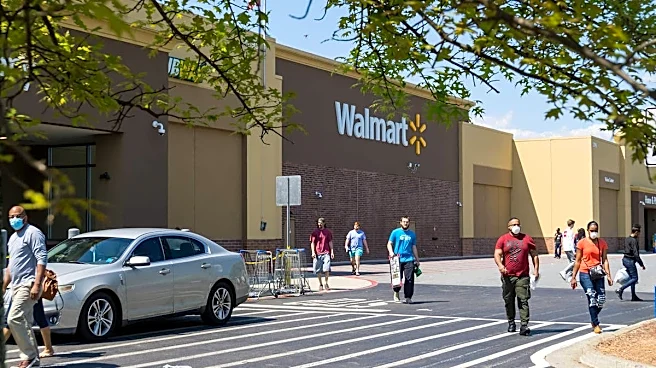
Inflation is reshaping consumer behavior in the U.S. grocery sector, with more shoppers turning to store brands and discount retailers. According to CoBank Senior Food & Beverage Economist Billy Roberts, food prices have risen significantly over the past
five years, leading consumers to adjust their shopping habits. The food price index increased by 2.7% year-over-year in May, contributing to a nearly 26% rise over five years. As a result, consumers are buying more private-label products and shopping at discount stores. Retailers and manufacturers are responding with promotions and value-focused pricing strategies to maintain customer traffic.
Why It's Important?
The shift towards store brands and discount shopping reflects broader economic pressures on U.S. households. As inflation continues to impact food prices, consumers are seeking ways to stretch their budgets, which could have long-term effects on brand loyalty and market dynamics. The trend towards private-label products may lead to increased competition among retailers and manufacturers, prompting innovation and cost management strategies. This shift also highlights the importance of understanding consumer behavior in response to economic changes, which can inform business strategies and policy decisions.
What's Next?
As inflation persists, the trend towards private-label products and discount shopping is likely to continue. Retailers and manufacturers will need to adapt to changing consumer preferences by offering competitive pricing and value-added products. The ongoing economic pressures may also prompt further discussions on policies to address inflation and support consumer purchasing power. Monitoring these trends will be crucial for businesses and policymakers to navigate the evolving grocery market landscape.