





What's Happening?
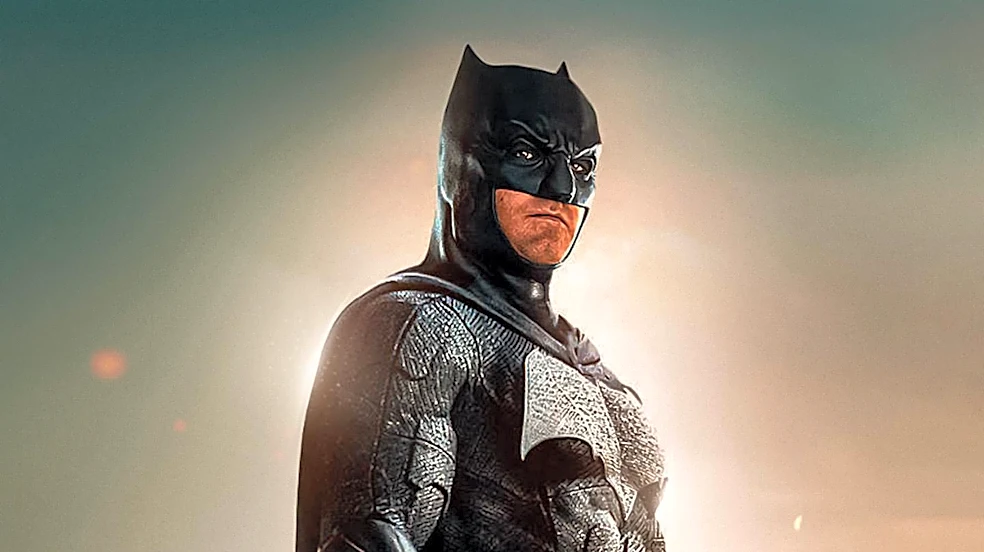
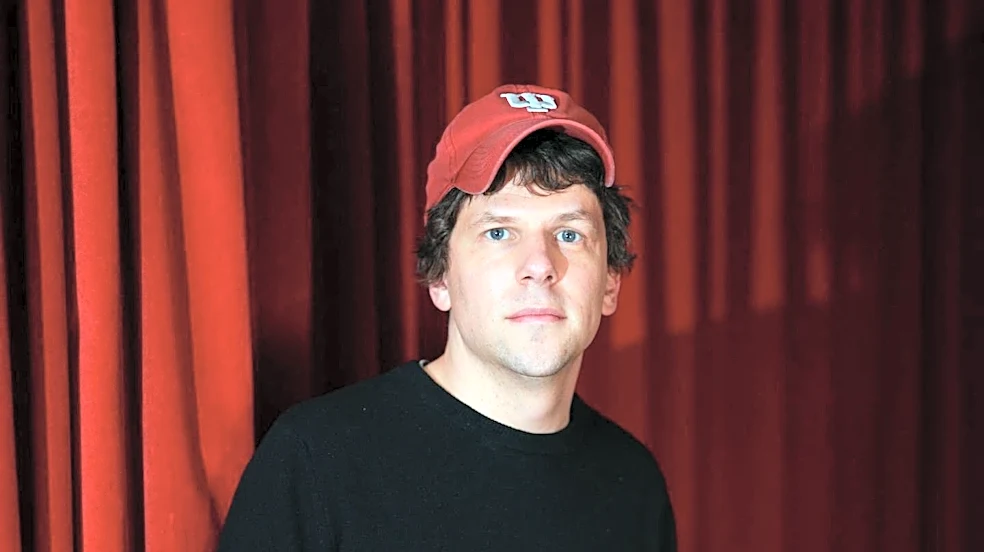
Jesse Eisenberg, known for his role as Lex Luthor in Zack Snyder’s “Batman v Superman: Dawn of Justice,” has stated that winning a Razzie Award for Worst Supporting Actor significantly harmed his acting career. Eisenberg explained during a BFI London
Film Festival talk that the award led to him being 'frozen out' of studio movie parts. He perceived this as a clear message from the industry that they did not want him in superhero films. This experience prompted him to pivot towards writing and directing as a means to sustain his career. “Batman v Superman” received four Razzies in total, including for worst screenplay, worst sequel, and worst screen combo for Henry Cavill and Ben Affleck. Eisenberg's comments highlight the impact that even a lighthearted, satirical award can have on an actor's professional trajectory, particularly in the volatile entertainment industry.
Why It's Important?
Eisenberg's revelation underscores the precarious nature of an acting career, where public and critical reception can profoundly influence opportunities. The Razzies, while intended as a humorous counterpoint to prestigious awards, evidently carry enough weight to affect an actor's marketability and perceived value within Hollywood. This situation highlights the industry's sensitivity to perceived failures, even for actors with previous critical acclaim, such as Eisenberg's Oscar nomination for 'The Social Network.' It also sheds light on the pressure actors face to constantly assess their career trajectory, with little room for plateauing. The incident serves as a cautionary tale about the potential long-term consequences of participating in critically panned projects, especially in high-profile franchises like superhero films, and how it can force artists to seek alternative creative avenues to maintain their professional lives.
What's Next?
Following the perceived damage to his acting career in studio films, Jesse Eisenberg has actively pursued writing and directing. His latest directorial effort, “The Debut,” starring Julianne Moore and Paul Giamatti, is set to close the BFI London Film Festival. This shift indicates a strategic move to gain more creative control and secure his career in the arts, rather than relying solely on acting roles offered by major studios. It is likely that Eisenberg will continue to focus on independent film projects as a writer and director, potentially exploring more character-driven narratives that align with his artistic vision, rather than returning to large-scale franchise films. His experience may also influence other actors to be more selective about their roles in blockbuster productions, particularly those with a high risk of critical backlash.
Beyond the Headlines
Eisenberg's experience with the Razzie Award touches upon broader themes within the entertainment industry, including the often-unforgiving nature of public perception and the subjective standards of critical success. It highlights a cultural phenomenon where satirical awards, despite their intended humor, can contribute to a narrative that impacts professional livelihoods. This situation also raises questions about the industry's willingness to pigeonhole actors based on a single performance, even when their body of work demonstrates versatility. Furthermore, it exemplifies the resilience and adaptability required of artists, who often must reinvent themselves or explore new creative roles when traditional paths become challenging. The incident serves as a reminder that even established actors are not immune to the pressures of maintaining relevance and positive public image in a highly competitive field.