



What's Happening?
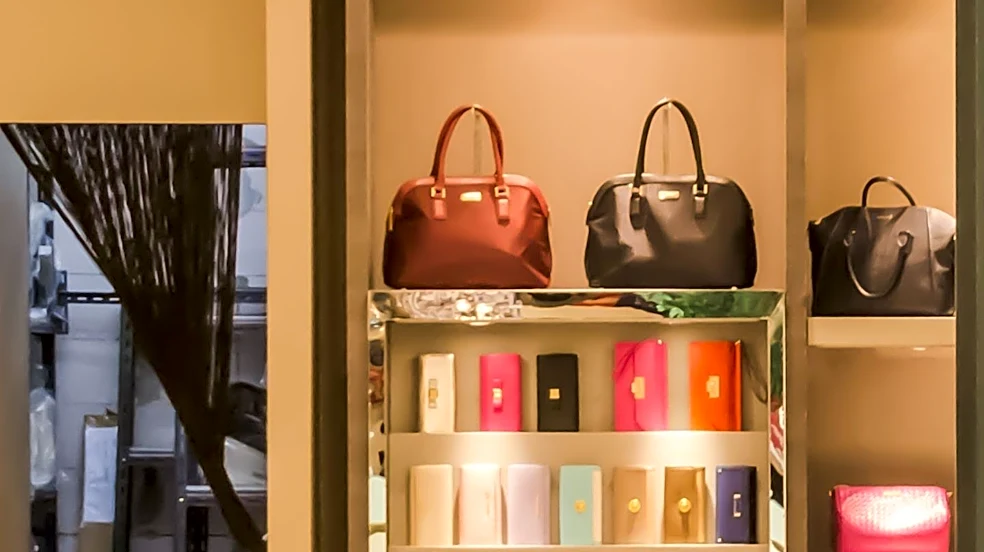
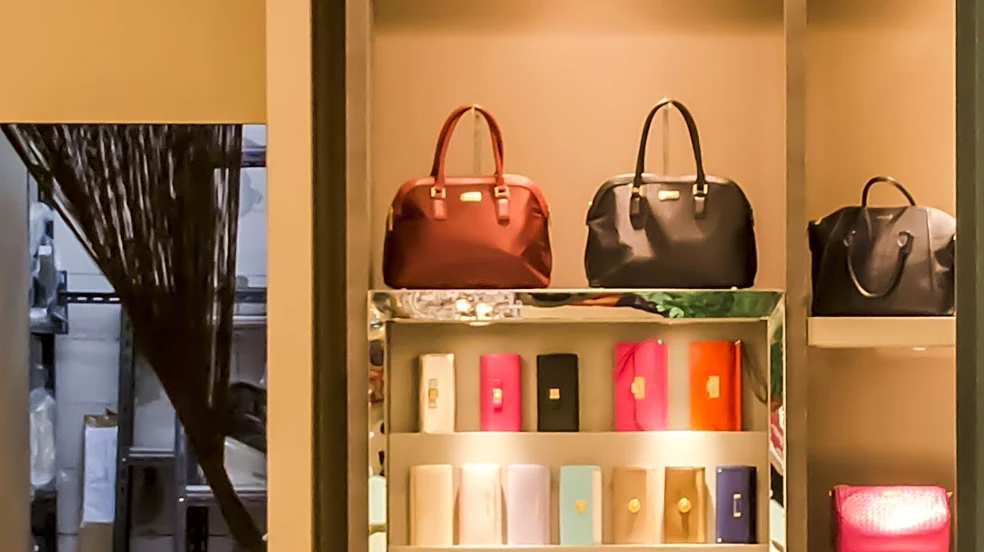
The concept of 'affordable luxury' is significantly influencing how U.S. consumers, particularly women, approach shopping. This trend prioritizes high craftsmanship, functionality, and versatility over overt branding and excessive logos. Shoppers are
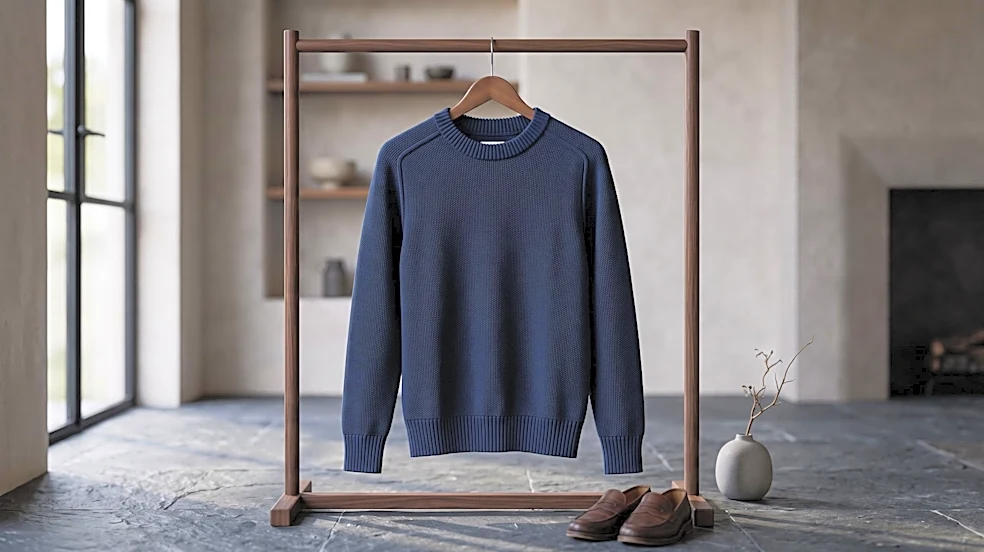
increasingly evaluating products based on material inspection, construction quality, and customer reviews rather than assuming higher prices equate to better quality. This shift is enabling contemporary boutique brands to gain market share from traditional luxury houses that have historically relied on brand name recognition to justify price increases. The movement encourages building long-lasting wardrobes with quality items that can be mixed and matched, moving away from fast fashion and outdated, logo-heavy designs. Consumers are becoming more educated about product value, demanding transparency and aligning purchases with personal and cultural identities, as well as values like sustainability and ethical production.
Why It's Important?
This evolving consumer behavior has significant implications for the U.S. retail and fashion industries. Traditional luxury brands may face pressure to justify their pricing and adapt to a market that values substance over superficial branding. The rise of affordable luxury also creates opportunities for smaller, quality-focused brands that can meet consumer demands for well-made, versatile products at more accessible price points. For consumers, this trend promotes more sustainable and mindful consumption, encouraging investment in durable goods rather than disposable fashion. It also empowers shoppers to define value on their own terms, fostering a more discerning and informed purchasing environment. The emphasis on material quality and construction could lead to a greater demand for skilled craftsmanship and ethical sourcing within the supply chain.
What's Next?
Retailers and brands are expected to continue adapting their strategies to align with the affordable luxury movement. This may involve increased transparency regarding sourcing and manufacturing processes, a greater focus on product quality and durability, and marketing that highlights craftsmanship and versatility rather than brand exclusivity. Consumers will likely continue to prioritize items that offer long-term value and align with their personal values, further solidifying the shift away from fast fashion. The market could see more collaborations between designers and manufacturers to produce high-quality goods at competitive prices, and a continued rise in the popularity of capsule wardrobes and minimalist fashion approaches. The emphasis on material quality will also drive innovation in textile development and sustainable production methods.
Beyond the Headlines
The shift towards affordable luxury reflects a broader cultural re-evaluation of status and consumption in the U.S. It suggests a move away from conspicuous consumption, where wealth is displayed through overt brand symbols, towards a more subtle and informed appreciation of quality and design. This trend could foster a more ethical consumer landscape, as shoppers increasingly demand transparency and sustainability from brands. It also highlights a growing desire for authenticity and personal expression, where individuals seek products that resonate with their identity rather than simply conforming to societal notions of luxury. This evolution in consumer mindset could ultimately lead to a more responsible and discerning marketplace, impacting not just fashion but other sectors where quality and value are paramount.