


What's Happening?
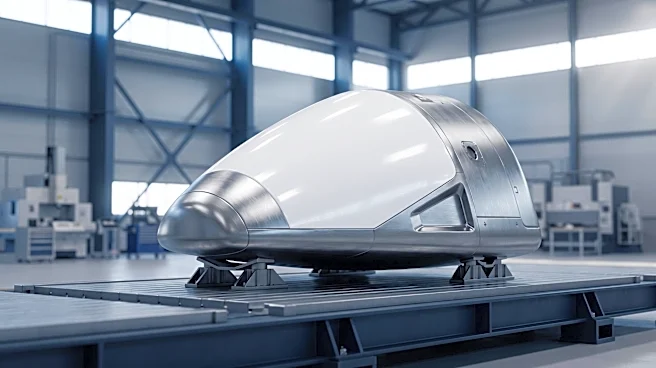
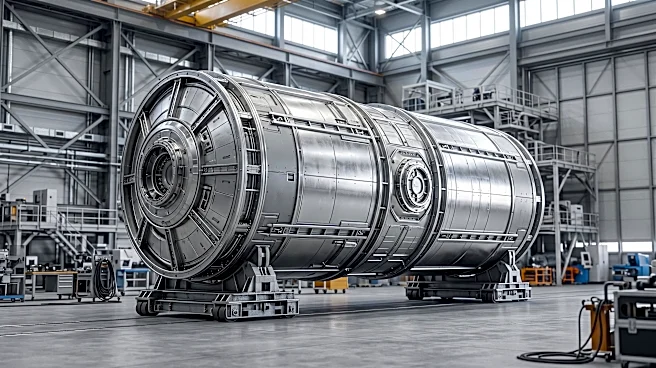
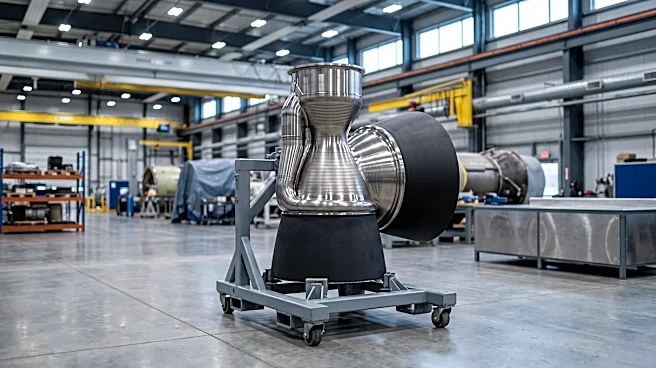
Vast, a space company, has successfully completed pressure testing of Hull 3, a pathfinder version of its Haven-1 space station's primary structure. This hull was constructed in five months at Vast's Long Beach headquarters, alongside the flight vehicle.
CEO Max Haot stated that the total cost for Hull 3, encompassing labor, materials, and testing, was under $4 million. Hull 3 was subjected to pressures exceeding its normal operating levels to demonstrate its structural integrity. The company is now working on Hull 4, with a goal to produce future hulls in under three months. The Haven-1 space station is designed to accommodate four astronauts for two-week missions and is currently slated for a 2027 launch, a delay from its initial 2025 target.
Why It's Important?
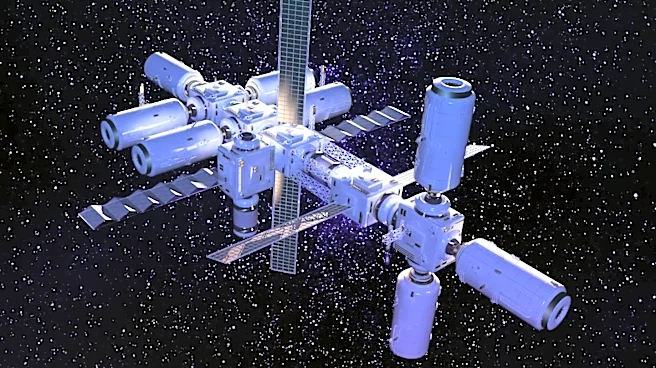
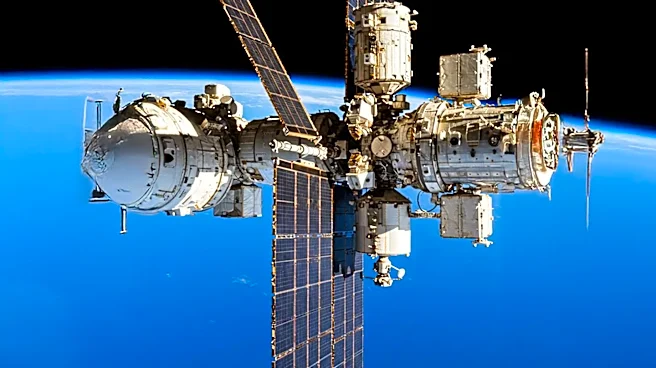
This development is significant for the U.S. space industry as Vast aims to establish a multi-module space station to eventually succeed the International Space Station (ISS). The ability to rapidly and cost-effectively produce space station hulls, as demonstrated by Hull 3's five-month build time and sub-$4 million cost, could revolutionize the economics of space infrastructure development. This efficiency is crucial for Vast's larger ambition of creating a 'production line' for space station modules. The timing of this achievement is particularly relevant as proposals for NASA's next commercial space station contract are due on December 8th, positioning Vast as a strong contender. Success in this endeavor could lead to new opportunities for U.S. companies in low Earth orbit, fostering innovation and competition in commercial space activities.
What's Next?
Vast is currently working on Hull 4, with an ambitious target to complete future hulls in under three months, indicating a push towards streamlined manufacturing processes. The company's Haven-1 space station is scheduled for launch in 2027. A critical near-term event for Vast is the December 8th deadline for proposals for NASA's next commercial space station contract. A successful bid could secure significant funding and support for Vast's long-term vision of a multi-module station. The company will also need to integrate life support, power, and electronics into the bare hull structures, which are not included in the $4 million cost, representing the next major phase of development for Haven-1.
Beyond the Headlines
The rapid and relatively low-cost production of space station hulls by Vast could signal a paradigm shift in how space infrastructure is developed. This 'production line' approach, if scalable, could drastically reduce the barriers to entry for commercial space ventures and accelerate the establishment of a robust economy in low Earth orbit. The emphasis on cost-efficiency and speed in manufacturing could also influence future NASA procurement strategies, potentially favoring companies that can deliver reliable hardware quickly and affordably. This development also highlights the increasing role of private companies in shaping the future of space exploration and habitation, moving beyond government-led initiatives to a more commercially driven model for space station development.