





What's Happening?
In response to the demands of modern urban life, including constant notifications, hybrid work, and dense populations, city residents are increasingly adopting 'slow living' principles within their homes. This movement involves transforming micro-spaces
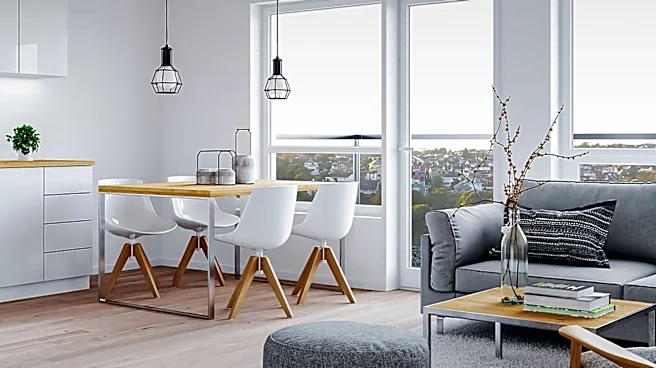
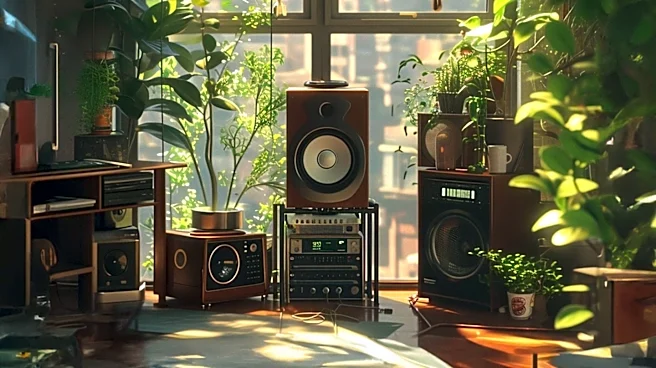
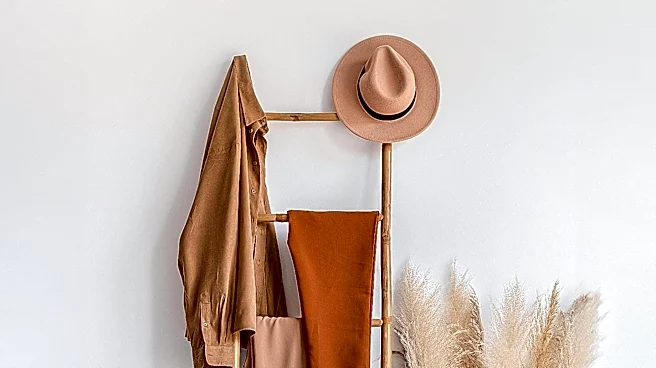
into mental sanctuaries, moving away from hyper-functional, tech-centric interior designs. The focus is on creating environments that promote calm, mindfulness, and reduce digital fatigue. Interior architects and environmental psychologists observe a shift in consumer preferences towards spatial peace, emphasizing sensory reduction, tactile richness, and natural rhythms. Homeowners are decluttering, opting for ambient illumination, and incorporating organic materials to ground the nervous system, rather than maximizing functionality in small areas.
Why It's Important?
This trend signifies a broader societal shift in how individuals perceive and interact with their living spaces, particularly in urban environments. The emphasis on 'slow living' and creating mental sanctuaries directly addresses the growing concerns about mental well-being, stress, and digital overload in a fast-paced world. For industries, this means a potential boom in demand for specific design elements, materials, and services that cater to this philosophy, such as biophilic design elements, natural textiles, and muted color palettes. It also highlights a consumer preference for quality over quantity and sustainability, impacting manufacturing and retail sectors. The movement suggests a re-evaluation of what constitutes luxury, shifting from material possessions to experiences and a sense of inner peace, which could influence marketing strategies and product development across various sectors.
What's Next?
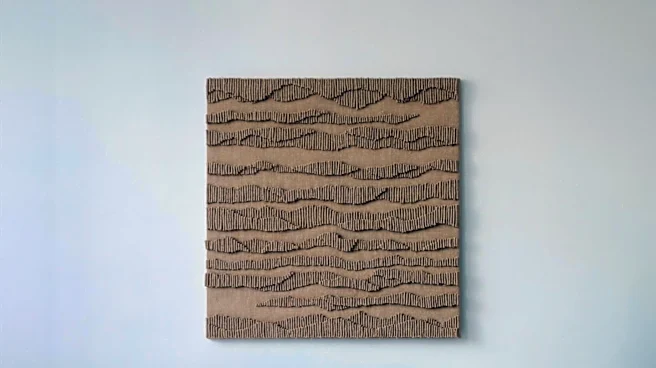
The 'slow living' movement is expected to continue influencing urban residential design and consumer behavior. We may see an increased integration of biophilic architecture, utilizing natural wood, stone, and maximized daylight, alongside visual silence achieved through concealed storage and earth-tone palettes. The focus on tactile materiality, such as unbleached linen and heavy wool, will likely grow. Furthermore, the creation of 'intentional digital-free zones' or 'analog corners' within homes is anticipated to become more prevalent, encouraging low-tech activities like reading or journaling. This trend could also lead to further innovation in sustainable home furnishings and decor, as consumers prioritize durable, handcrafted goods. The long-term impact could include a redefinition of urban planning and housing development to incorporate more restorative and mindful living spaces.
Beyond the Headlines
Beyond the immediate design implications, the 'slow living' movement in urban micro-spaces reflects a deeper cultural and psychological response to the pressures of contemporary life. It underscores a collective yearning for authenticity, connection, and a slower pace in an increasingly accelerated world. This shift has ethical dimensions, as it encourages conscious consumption and a rejection of disposable culture, promoting environmental sustainability. Legally, it might influence building codes or urban development policies to prioritize human well-being and access to natural elements within residential areas. Culturally, it challenges the notion that progress is solely defined by speed and technological advancement, advocating for a more balanced and introspective approach to daily existence. This movement could foster a greater appreciation for simplicity and intentionality, potentially leading to broader societal changes in work-life balance and community engagement.