








What's Happening?
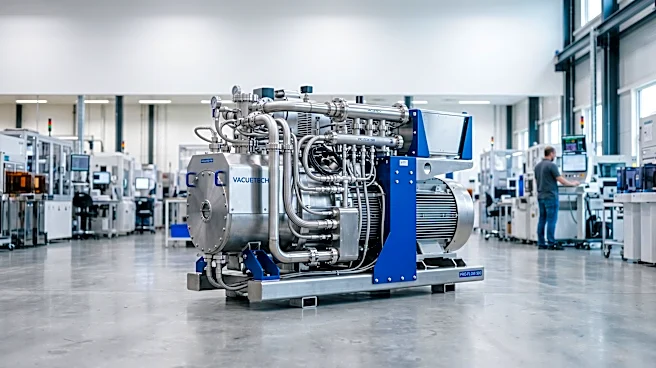
Edwards Vacuum, a global leader in vacuum and abatement solutions and part of Atlas Copco Group, has officially opened its new manufacturing facility in Genesee County, New York. This facility marks America’s first semiconductor dry pump manufacturing plant,
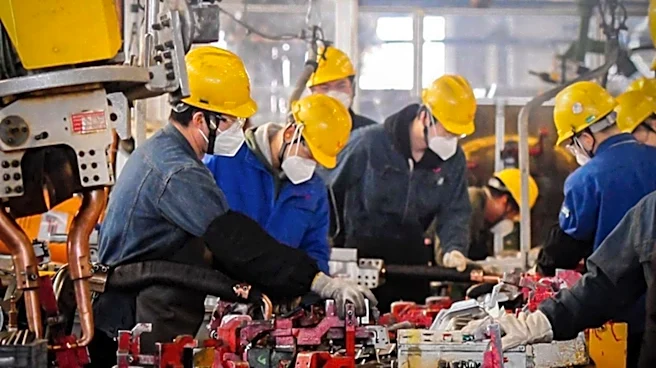
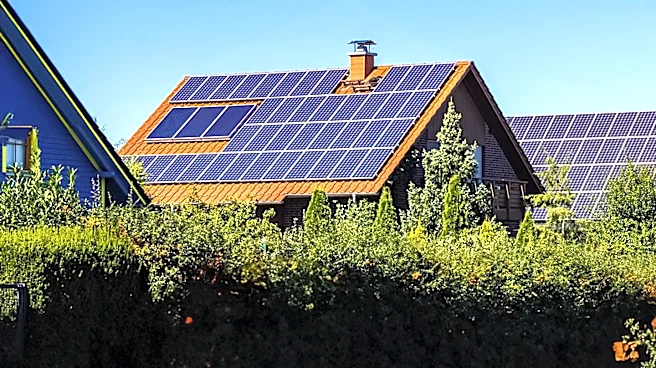
purpose-built to produce advanced dry vacuum pumps essential for semiconductor manufacturing. The project received an $18 million federal CHIPS grant award, secured by U.S. Sen. Charles Schumer. The Genesee site is expected to create up to 600 new, well-paying jobs in Western New York and will support customers across North America and globally. The facility is powered by renewable hydroelectric energy from Niagara Falls, aligning with Edwards' commitment to sustainability. This investment expands Edwards’ North American production capabilities and aims to meet the growing demand driven by investments in semiconductor manufacturing across the U.S.
Why It's Important?
The opening of Edwards Vacuum's facility is a significant step in strengthening the domestic semiconductor supply chain and enhancing America's ability to produce critical technologies. The CHIPS & Science Act, championed by U.S. Sen. Charles Schumer, aims to bring cutting-edge manufacturing back to the U.S., and this facility directly contributes to that goal. By establishing the first U.S. plant for semiconductor dry pump manufacturing, the country reduces its reliance on foreign supply chains for crucial components, thereby increasing national security and economic resilience. The creation of up to 600 jobs in Western New York also provides a substantial economic boost to the region, fostering growth in the semiconductor and advanced manufacturing sectors. This development positions New York as a key hub in the evolving U.S. semiconductor ecosystem.
What's Next?
The Genesee facility will immediately begin supporting semiconductor manufacturers across North America, providing essential vacuum technology built in the United States. This move is expected to encourage further investment in domestic semiconductor production, as other companies may follow suit to localize their supply chains. The facility's operation will also contribute to the development of a skilled workforce in Western New York, with opportunities in manufacturing, engineering, and technical careers. The success of this project, bolstered by federal CHIPS funding, could serve as a model for future public-private partnerships aimed at revitalizing U.S. manufacturing capabilities in critical technology sectors. Continued growth in this area will likely solidify New York's reputation as a leader in advanced manufacturing.
Beyond the Headlines
This development signifies a broader strategic shift towards reshoring critical manufacturing capabilities, driven by geopolitical considerations and the lessons learned from recent supply chain disruptions. The investment in facilities like Edwards Vacuum's reflects a national commitment to technological independence and economic sovereignty. Beyond the immediate economic benefits, this initiative fosters a more robust and resilient industrial base, which is crucial for national security in an increasingly complex global landscape. The emphasis on renewable energy for the facility also highlights a growing trend of integrating sustainability into advanced manufacturing, setting a precedent for environmentally conscious industrial development. This move could inspire other industries to adopt similar strategies, promoting both economic growth and environmental stewardship.