
What's Happening?
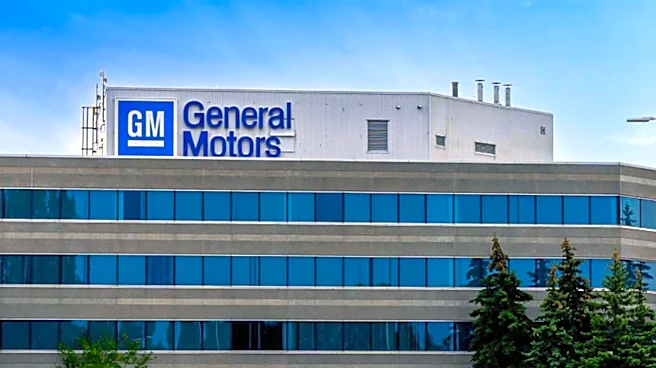
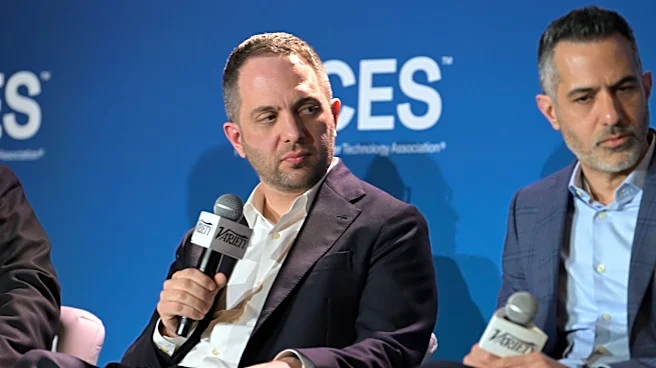
General Motors (GM) is reportedly considering Sterling Anderson, its Executive Vice President, Global Product, and Chief Product Officer, as a potential successor to current CEO Mary Barra. Anderson, who joined GM in June 2025, previously co-founded Aurora
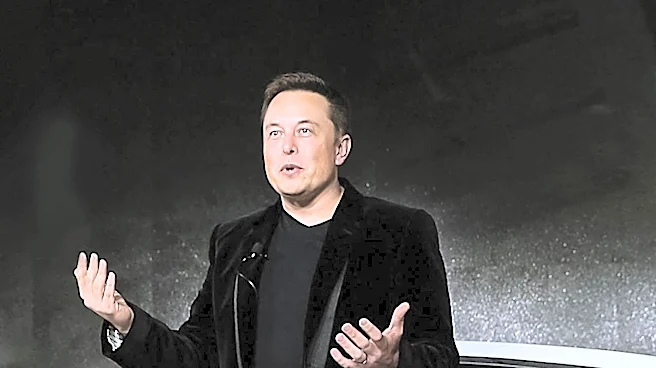
Innovation and held roles at Tesla. Sources familiar with the board's discussions indicate a strategic shift towards prioritizing leadership with expertise in software and self-driving technology, areas where Anderson specializes. The board is currently evaluating the timing for a leadership transition, with possibilities including Barra continuing as CEO beyond this year or transitioning to an executive chair role. Anderson, 43, has been with GM for less than 18 months, and the central question revolves around his readiness to lead the vast organization, including its engineers and unionized workforce, through the evolving landscape of the global auto industry.
Why It's Important?
This potential leadership change at General Motors signifies a critical strategic pivot within the automotive industry, emphasizing the growing importance of software and autonomous driving capabilities. By seeking a CEO with a strong background in these technological domains, GM aims to position itself competitively in a future where vehicles are increasingly defined by their digital features and self-driving functionalities. This move could accelerate GM's development in electric vehicles and autonomous technology, potentially influencing the broader U.S. auto market and its supply chains. For stakeholders, including investors and employees, the selection of a tech-savvy leader like Anderson could signal a commitment to innovation and long-term growth, but also presents challenges in integrating a new leadership style with GM's established corporate culture and manufacturing operations. The decision will impact GM's ability to navigate intense competition from both traditional automakers and new tech-focused entrants.
What's Next?
The General Motors board is actively deliberating the timing and nature of the CEO transition. While no definitive timeline has been established, discussions are ongoing regarding whether Mary Barra will extend her tenure as CEO beyond the current year or assume an executive chair position. The board's assessment will focus on Sterling Anderson's readiness to lead a large, complex organization like GM, particularly given his relatively short tenure with the company. The outcome of these private discussions will determine the future strategic direction of one of America's largest automakers, impacting its investment in new technologies, its workforce, and its competitive standing in the global market. Any announcement regarding leadership changes will be closely watched by industry analysts, investors, and the broader automotive sector.
Beyond the Headlines
The potential elevation of a tech executive like Sterling Anderson to lead General Motors reflects a profound shift in the automotive industry's core identity, moving beyond traditional manufacturing towards a technology-driven future. This development highlights a broader trend where legacy industries are increasingly seeking leadership from the tech sector to navigate digital transformation. It raises questions about the integration of Silicon Valley's agile, software-centric culture with the established, hardware-intensive operations of a century-old automaker. The success of such a transition could set a precedent for other traditional industries facing similar technological disruptions. Conversely, challenges could arise from cultural clashes, resistance to change within the existing workforce, and the inherent differences in product development cycles between software and automotive manufacturing. This strategic move by GM could redefine what it means to be an automotive leader in the 21st century.