





What's Happening?
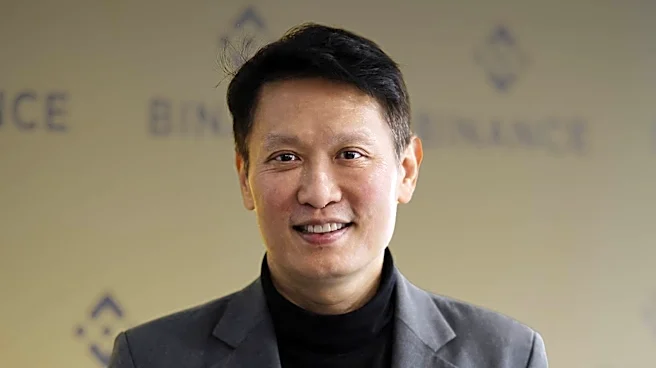
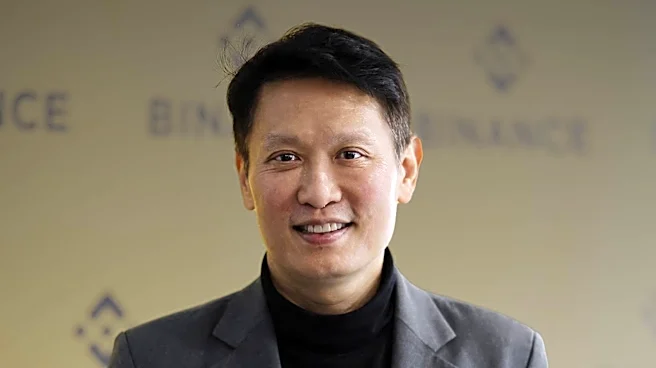
Binance co-CEO Richard Teng has unveiled the company's strategic shift from solely a cryptocurrency exchange to a comprehensive 24-hour multi-asset financial platform. This vision, articulated at Binance Blockchain Week 2026 in Bangkok, aims to integrate
cryptocurrencies, equities, ETFs, and payments into a single user account. Teng emphasized that this evolution is not intended to replace traditional markets but rather to create an open, interoperable system where banking, payments, transfers, brokerage, and crypto trading coexist. He highlighted tokenized equities as a prime example of this transition, viewing tokenization as a new approach to asset access, distribution, trading, and settlement. The goal is to enable continuous, fractional, and programmable trading, thereby opening global markets to a wider audience by overcoming geographical limitations, trading hours, and high entry costs. Teng also addressed the role of stablecoins in payments and cross-border settlements, asserting that crypto is no longer a niche market.
Why It's Important?
This strategic pivot by Binance holds significant implications for the U.S. financial landscape and global digital asset adoption. By aiming to integrate traditional financial assets with cryptocurrencies on a single platform, Binance could potentially streamline investment processes and lower barriers to entry for a broader range of investors. The emphasis on tokenized equities suggests a future where traditional assets are more accessible and liquid, potentially attracting institutional investors and accelerating the mainstream adoption of blockchain technology in finance. Furthermore, Teng's perspective on regulation as a 'bridge to scale' rather than a constraint indicates a proactive approach to working with regulatory bodies, which could foster a more stable and secure environment for digital asset growth. This could influence U.S. regulatory discussions around digital assets, potentially leading to clearer guidelines and increased investor confidence. The move also positions Binance to compete more directly with traditional financial institutions, potentially driving innovation across the financial sector.
What's Next?
Binance's vision for a multi-asset platform is a long-term direction rather than an immediate, fully implemented service. The company plans to gradually roll out new features, which will require relevant approvals and adherence to regulatory frameworks. Teng stressed the importance of clear regulations and robust security measures to build user trust and facilitate the widespread adoption of new services. He also mentioned that Binance has taken steps to enhance security following a recent major attack, including replenishing affected assets, implementing a proof-of-reserves system, and engaging external security firms for audits. Future developments will likely involve continued collaboration with technology firms, regulators, and institutions to build out this integrated financial ecosystem. The company's focus on security and transparency, coupled with its engagement with regulators, suggests a concerted effort to establish a more legitimate and widely accepted digital asset platform.
Beyond the Headlines
The shift towards a multi-asset platform by a major player like Binance could trigger profound long-term shifts in how financial services are structured and accessed globally. The concept of tokenization, as described by Teng, goes beyond merely placing existing assets on a blockchain; it redefines how assets are accessed, distributed, traded, and settled. This could lead to a more democratized financial system where individuals, regardless of their geographical location or economic status, have greater access to global markets. Ethically, this raises questions about financial inclusion and the potential for reducing economic disparities. Legally, the integration of diverse asset classes on a single blockchain-based platform will necessitate complex regulatory frameworks that can bridge the gap between traditional finance laws and emerging digital asset regulations. Culturally, it could accelerate the acceptance of digital assets as a legitimate and integral part of the global financial system, moving beyond their current perception as a niche or speculative investment.