




What's Happening?
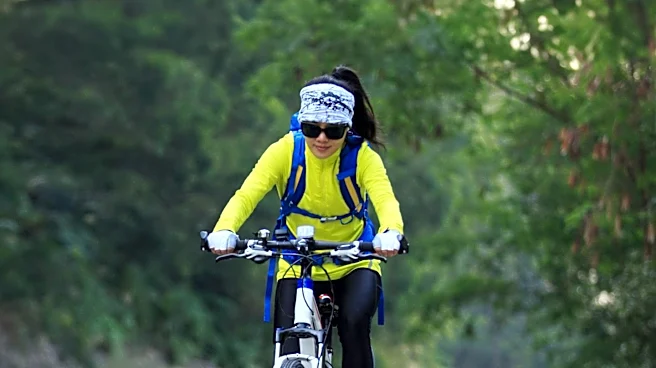
The 14th annual Life Time Austin Rattler MTB & Run event recently concluded in Texas Hill Country, drawing over 1,200 athletes from 39 states and 8 countries. For the first time, the event expanded to a two-day format, featuring both mountain biking and trail
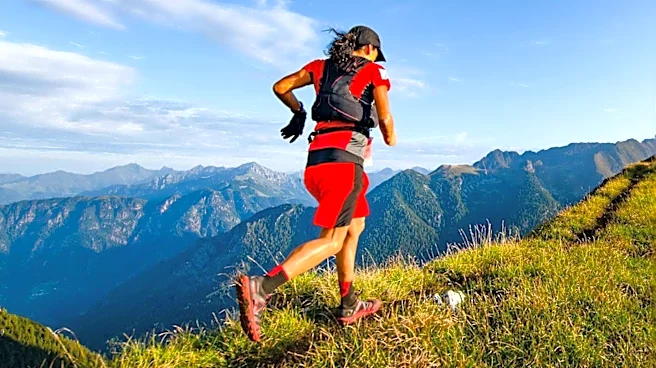
running competitions. Participants in mountain biking could choose from 20, 40, or 60-mile distances, while trail runners were originally scheduled for 10-mile, 20-mile, and 50K distances. However, due to anticipated storms on Sunday, organizers adjusted the trail running schedule, including shortening the 50K distance, to ensure athlete safety. The event showcased a notable increase in interest in off-road endurance sports, particularly trail running, with participation in running events at Austin Rattler growing by 58% since 2021. The women's field, in particular, saw a 77% increase over the same period. The looped course design allowed athletes to pass through the start and finish area multiple times, providing opportunities for support crews and spectators to cheer them on amidst live music and food.
Why It's Important?
The substantial growth in participation at the Life Time Austin Rattler event, especially in trail running, highlights a broader trend of increasing engagement in off-road endurance sports across the U.S. This surge indicates a shifting preference among athletes towards challenging themselves in natural environments, moving beyond traditional road races. The significant increase in women's participation (77%) also points to a growing inclusivity and appeal of these sports to a wider demographic. For Life Time, a premier healthy way of life brand, the event reinforces its connection to the Austin community, extending its year-round training and recovery services into broader athletic experiences. The event also serves as a crucial qualifier for the company's iconic Life Time Leadville Trail 100 events, offering a pathway for athletes to compete in prestigious endurance challenges. This trend could lead to increased investment in trail infrastructure, event organization, and related industries such as specialized gear and apparel.
What's Next?
The continued momentum in off-road endurance sports, as evidenced by the Austin Rattler, suggests that similar events across the U.S. are likely to see sustained growth. Organizers of such events may explore further expansions, potentially adding more distances or incorporating new disciplines to cater to diverse athlete interests and skill levels. The success of the two-day format at Austin Rattler could encourage other event organizers to adopt similar multi-day structures, enhancing the overall experience for participants and spectators. Given the event's role as a qualifier for the Life Time Leadville Trail 100, future editions will likely continue to attract competitive athletes aiming for those prestigious races. Furthermore, the focus on athlete safety, as demonstrated by the weather-related course adjustments, will remain a critical consideration for event planning, potentially leading to more robust contingency plans for adverse conditions. The increasing participation, particularly among women, may also prompt event organizers and sponsors to develop more targeted initiatives and marketing strategies to further engage this demographic.
Beyond the Headlines
The rising popularity of trail running and off-road endurance sports reflects a deeper societal shift towards seeking more immersive and challenging outdoor experiences. This trend goes beyond mere physical activity, tapping into a desire for connection with nature, mental resilience, and community building. The growth in these sports could have broader implications for environmental conservation, as participants often develop a stronger appreciation for natural landscapes, potentially leading to increased advocacy for trail maintenance and protection. Ethically, event organizers face the ongoing challenge of balancing competitive demands with environmental stewardship, ensuring that events are sustainable and minimize ecological impact. The economic impact extends beyond direct event revenue, influencing local tourism, hospitality, and the outdoor gear market. Culturally, these events foster a unique community spirit, where athletes support each other through demanding challenges, creating a sense of camaraderie that distinguishes them from more solitary fitness pursuits.