


What's Happening?
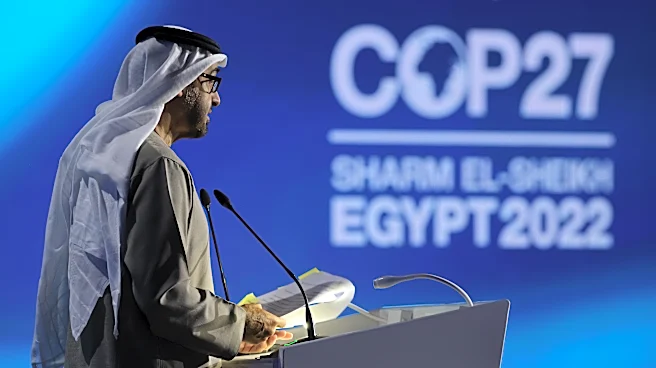
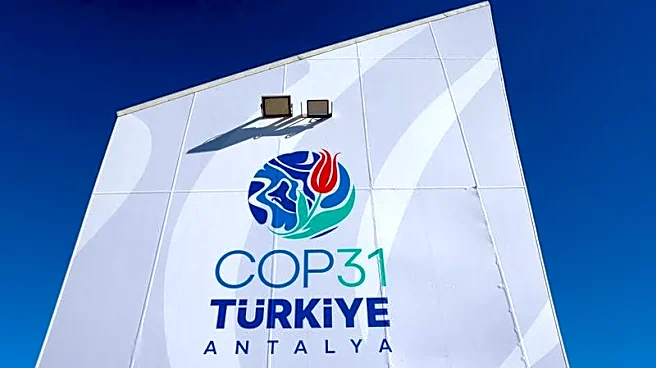
Indonesia and Norway have signed a Mitigation Outcome Purchase Agreement (MOPA) at the 31st United Nations Climate Change Conference (COP31) in Antalya, Turkey. This agreement, facilitated by the Global Green Growth Institute (GGGI), marks Indonesia's
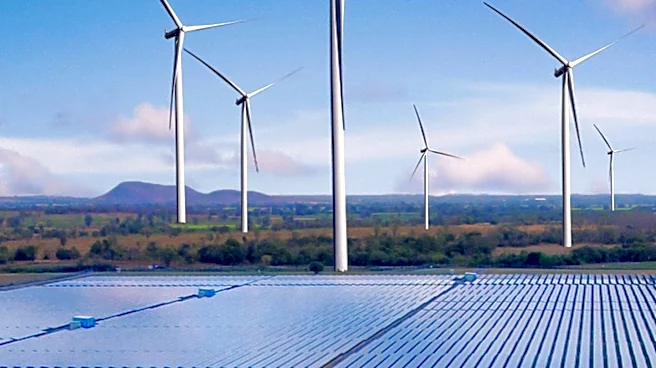
first MOPA to operationalize Article 6.2 of the Paris Agreement, signifying a major step in the country's engagement with international carbon markets. The MOPA is supported by the Norwegian Article 6 Climate Action (NACA) Fund, part of GGGI's Carbon Transaction Facility (CTF), and is anticipated to be one of the largest transactions under Article 6.2 to date. The agreement aims to mobilize climate finance for Indonesia's energy transition, specifically supporting the Generation-Based Incentive (GBI) Program. This program is designed to accelerate investment in new and additional clean, grid-connected electricity generation, initially focusing on floating solar photovoltaic (PV) technology.
Why It's Important?
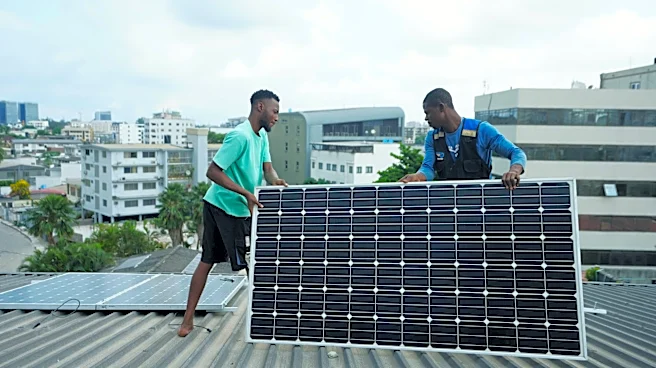
This landmark agreement is crucial for several reasons. Firstly, it provides a practical framework for implementing Article 6.2 of the Paris Agreement, demonstrating how international carbon markets can translate climate commitments into tangible actions. For Indonesia, it represents a significant opportunity to attract much-needed climate finance to decarbonize its electricity sector and achieve its national climate targets. The GBI Program, supported by this MOPA, addresses critical financial, regulatory, and grid-related barriers that have historically hindered renewable energy investment in the country. By prioritizing new renewable energy generation paired with battery energy storage systems, the program aims to reduce intermittency, enhance grid stability, and support a low-carbon power system. This initiative could serve as a model for other developing countries seeking to leverage international carbon markets for their energy transitions, showcasing how structured transactions can drive climate action and sustainable development.
What's Next?
Following the signing, GGGI will collaborate closely with the Government of Indonesia, PT PLN (Persero)—Indonesia’s state-owned electricity company—and the Norwegian Ministry of Climate and Environment to finalize implementation and operational arrangements for the MOPA. This will involve ensuring transparent recording and tracking of international transfers through Indonesia's SRUK (Carbon Unit Registry System) and upholding environmental integrity. The GBI Program will proceed with its initial focus on floating solar PV technology, with potential expansion to other renewable energy technologies. The success of this agreement could pave the way for further Article 6.2 transactions and increased investment in Indonesia's renewable energy sector. It will also be closely watched by the international community as a test case for the effectiveness of carbon market mechanisms in mobilizing climate finance and achieving ambitious climate goals.
Beyond the Headlines
The Indonesia-Norway MOPA highlights a broader shift in global climate finance, moving beyond traditional aid models towards market-based mechanisms that incentivize verifiable emission reductions. This approach, while promising, also raises important considerations regarding environmental integrity and equitable benefit-sharing. The emphasis on a robust Monitoring, Reporting, and Verification (MRV) system and dynamic baselines is critical to ensure that the generated carbon credits represent genuine and additional mitigation outcomes. Furthermore, the agreement underscores the growing importance of bilateral cooperation in addressing climate change, particularly when multilateral efforts face challenges. It also points to the potential for developing countries to become active participants and beneficiaries in the global carbon market, rather than solely recipients of climate aid. The long-term success of such initiatives will depend on their ability to deliver sustained investment, foster technological innovation, and ensure that the benefits accrue to local communities and contribute to broader sustainable development goals.