
What's Happening?
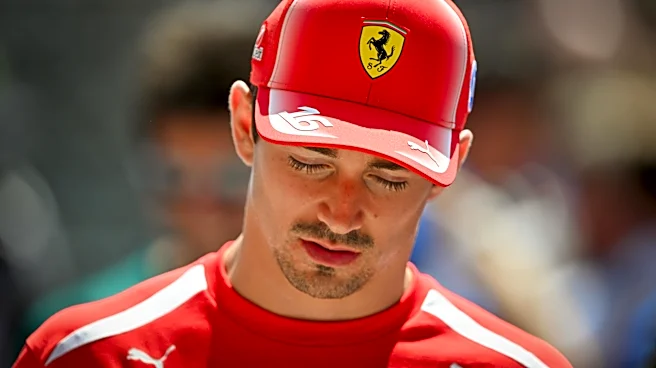
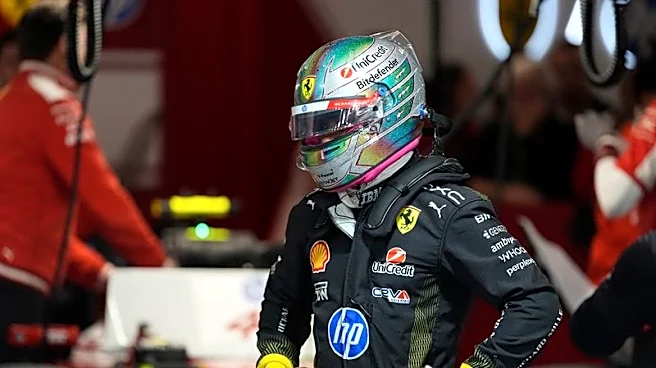
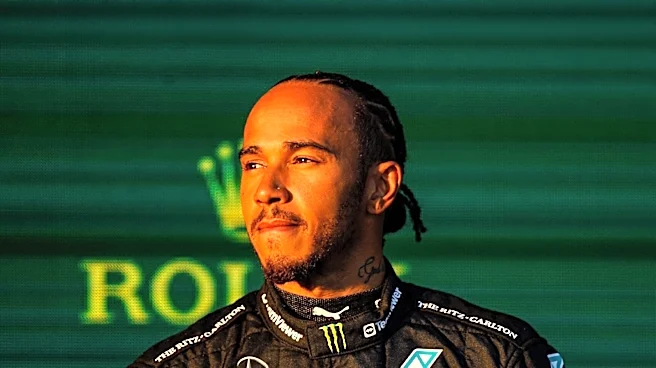
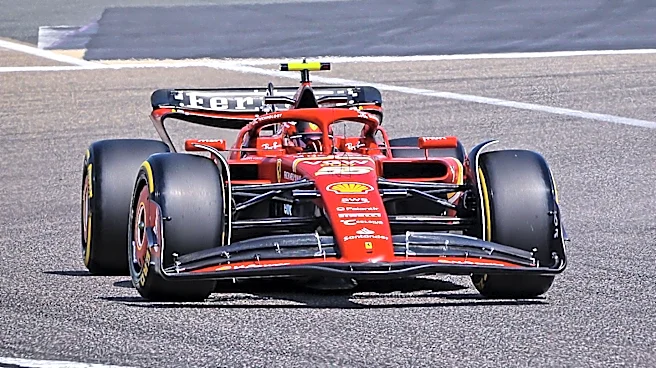
Significant developments are unfolding in Formula 1, marked by escalating tensions within Ferrari and anticipated changes to engine regulations for 2030. Following a clash between drivers Leclerc and Hamilton, board-level fallout is expected, according
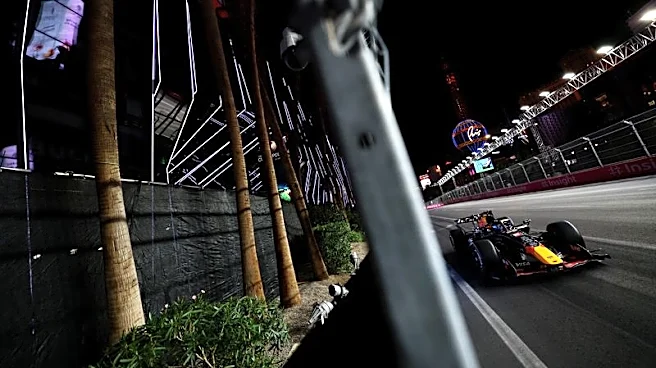
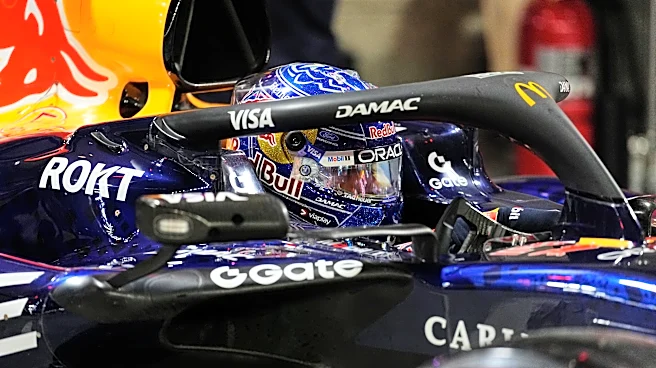
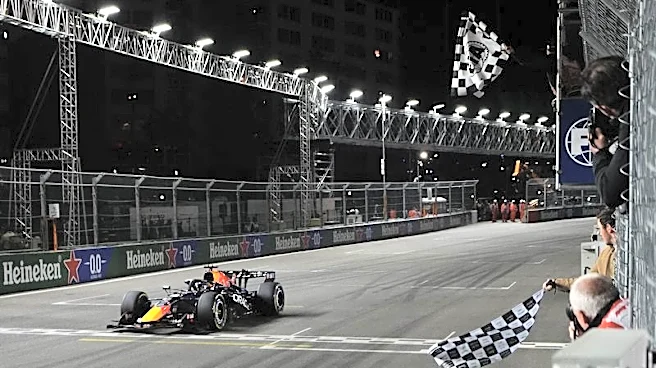
to Steiner. Concurrently, Verstappen has addressed safety concerns in the Middle East, and Madrid is reacting to a race with only four overtakes. Antonelli has provided an explanation for his power loss in Las Vegas. Furthermore, Mercedes may be compelled to discontinue its customer team relationships under the new engine rules slated for 2030. These events collectively point to a period of considerable flux and strategic re-evaluation within the sport, impacting team dynamics, race organization, and future technical specifications.
Why It's Important?
The reported board-level fallout at Ferrari, stemming from an on-track incident, highlights the intense pressure and high stakes involved in Formula 1, where driver performance directly impacts team reputation and financial backing. Such internal conflicts can destabilize a team, affecting its competitive edge and potentially leading to significant personnel changes. The potential for Mercedes to lose customer teams under new engine rules for 2030 is a critical development for the sport's competitive landscape. This could force customer teams to seek new engine suppliers, altering alliances and potentially impacting the performance hierarchy. These changes underscore the continuous evolution of F1 regulations and their profound influence on team strategies, technological development, and the overall competitive balance of the sport.
What's Next?
The immediate future will likely see internal investigations and discussions within Ferrari regarding the Leclerc-Hamilton incident, potentially leading to disciplinary actions or strategic adjustments within the team. The F1 governing bodies will continue to refine the 2030 engine regulations, and Mercedes, along with its current customer teams, will need to strategize for the implications of these rules. This could involve exploring new partnerships or developing independent engine programs. The reactions from drivers like Verstappen regarding safety and Antonelli's explanation for his power loss suggest ongoing scrutiny of race conditions and vehicle performance, which may lead to further technical adjustments or safety protocols. The sport is entering a phase of significant strategic planning and adaptation.
Beyond the Headlines
The ongoing developments in Formula 1, particularly the anticipated 2030 engine shake-up and the internal tensions at Ferrari, reflect broader trends in high-stakes competitive environments. The pressure on teams to perform, coupled with evolving technical regulations, often leads to strategic realignments and intense competition both on and off the track. The potential for Mercedes to lose customer teams could signify a shift towards greater self-reliance among F1 constructors or the emergence of new engine suppliers, fostering innovation but also potentially increasing costs. These changes highlight the delicate balance between maintaining competitive parity and encouraging technological advancement within a global sport, with significant implications for engineering, sponsorship, and fan engagement.