




What's Happening?
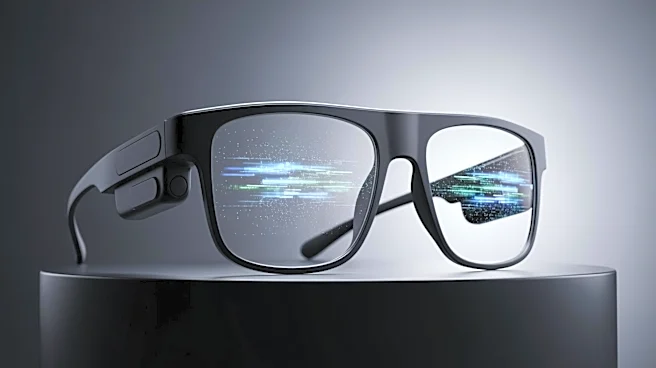
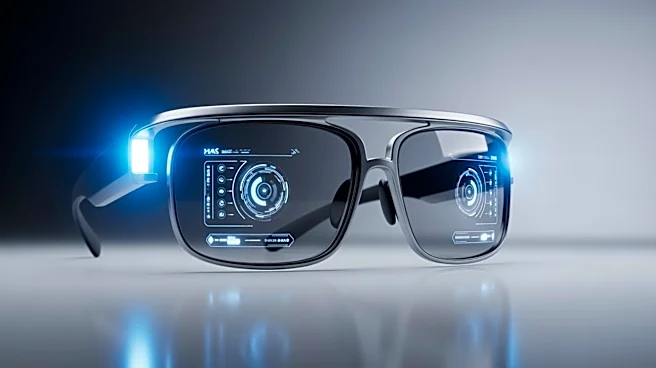
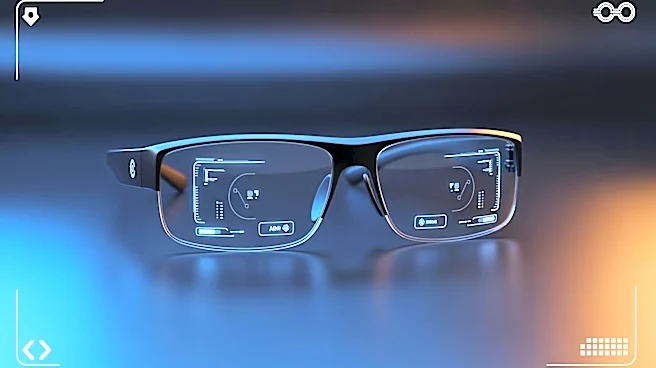
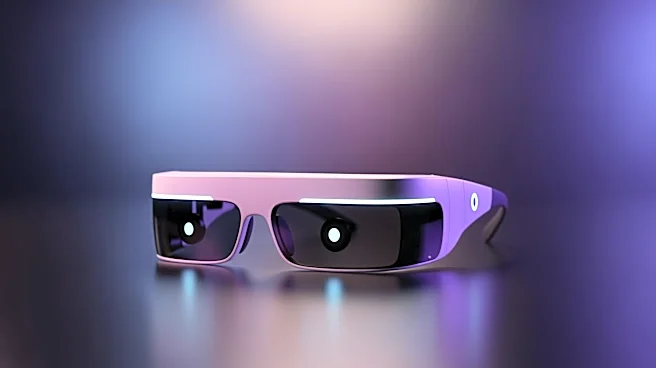
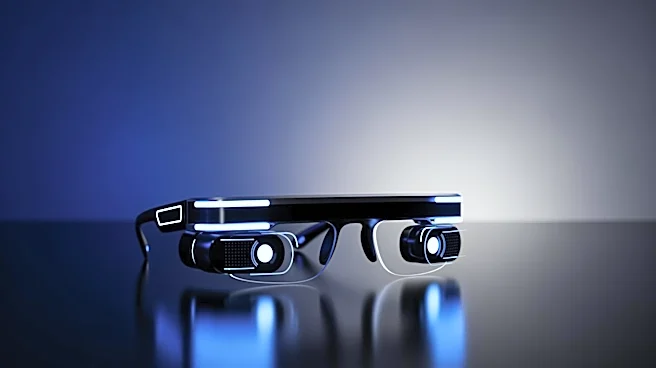
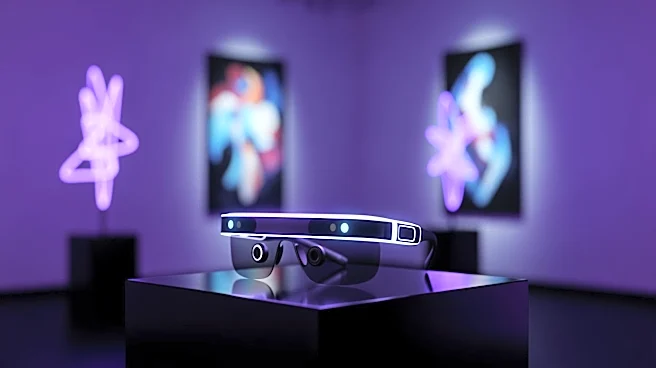
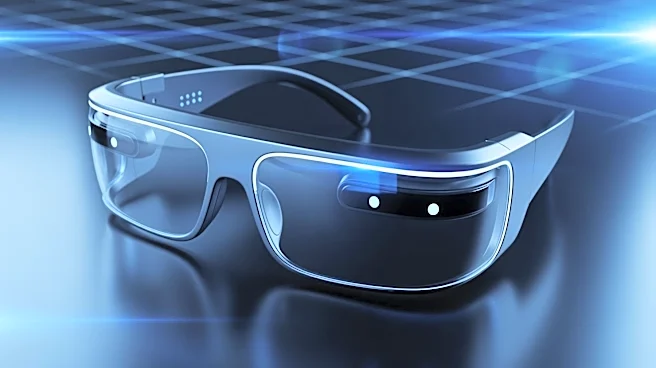
Snap, the company known for Snapchat, has officially launched its new augmented reality glasses, named Specs. These glasses are designed to project digital information directly into the user's field of vision, offering features such as maps, notifications,
games, and AI-powered assistance. Priced at $2,195, the Specs represent Snap's significant investment in what it believes could be the next major computing device. This move aligns with efforts by other tech giants like Meta, Apple, and Google, who are also exploring augmented reality technologies as potential successors to smartphones. Joanna Stern, a tech journalist, highlighted that the tech industry has long aimed to develop such devices, and many companies now see augmented reality glasses as the future of computing.
Why It's Important?
The introduction of Snap's Specs marks a pivotal moment in the tech industry, as companies seek to innovate beyond the smartphone era. Augmented reality glasses could redefine how users interact with digital content, offering a more immersive and hands-free experience. This shift could impact various sectors, including navigation, gaming, and personal communication, by integrating digital information seamlessly into the real world. The high price point of $2,195 suggests that these glasses are initially targeted at early adopters and tech enthusiasts, potentially setting a precedent for future consumer electronics. As more companies invest in similar technologies, the competition could drive advancements and eventually lead to more affordable options for the broader market.
What's Next?
As Snap and other tech companies continue to develop augmented reality technologies, the market will likely see increased competition and innovation. Future iterations of these devices may offer enhanced features, improved battery life, and more affordable pricing, making them accessible to a wider audience. Additionally, the success of these glasses could influence the development of related technologies, such as virtual reality and mixed reality, further blurring the lines between digital and physical experiences. Stakeholders, including developers and content creators, may begin to explore new applications and services tailored to augmented reality platforms, potentially transforming various industries.