




What's Happening?
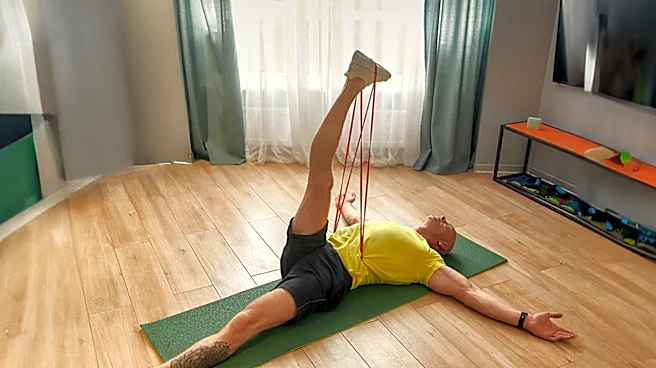
Mobility training, encompassing exercises, stretches, and pauses, is designed to increase the range of motion in joints and reduce everyday discomfort. While it can improve movement control and address specific limitations, it does not guarantee injury
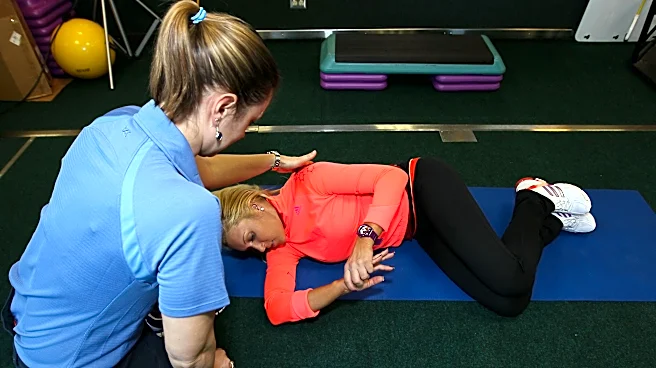
prevention. Mobility training actively focuses on controlling joint movement, distinguishing it from stretching, which primarily targets muscle length and flexibility. A daily routine of five to fifteen minutes is recommended, concentrating on a few movements that target restricted areas. This approach can be integrated into a comprehensive fitness program that includes both mobility training and stretching. The goal is to foster comfortable, controlled movement across key areas such as hips, ankles, shoulders, and the spine, utilizing exercises like cat-cow, 90/90 hip switches, ankle knee-to-wall drills, shoulder wall slides, and thoracic rotations.
Why It's Important?
The emphasis on mobility training is crucial for maintaining functional independence and overall well-being in the U.S. population. With many individuals experiencing stiffness due to sedentary lifestyles or aging, improved joint mobility can significantly enhance daily activities, from basic movements to more complex physical tasks. This training is particularly important for older adults, as it contributes to better balance and movement control, which are vital for reducing the risk of falls and maintaining an active lifestyle. For athletes, mobility training can optimize performance by improving movement efficiency and potentially reducing the risk of injuries. The distinction between mobility and flexibility highlights the need for a balanced fitness approach that addresses both active joint control and muscle length, benefiting a wide range of individuals seeking to improve their physical health and quality of life.
What's Next?
Individuals are encouraged to incorporate short, consistent mobility routines into their daily lives, focusing on areas of restriction. Fitness professionals and healthcare providers may increasingly recommend personalized mobility plans, especially for those with chronic conditions or specific movement limitations. The integration of mobility training into broader fitness programs is expected to grow, with a focus on combining it with strength training for comprehensive physical health. Further research may explore the long-term benefits of consistent mobility practice on injury prevention and age-related decline. Educational initiatives could also emerge to clarify the differences between mobility and flexibility, promoting a more informed approach to physical fitness among the general public.
Beyond the Headlines
The growing recognition of mobility training underscores a shift in fitness paradigms from solely focusing on strength or cardiovascular health to a more holistic view of physical well-being. This trend reflects an understanding that functional movement is fundamental to quality of life, impacting not just physical performance but also mental and emotional health by reducing discomfort and increasing confidence in movement. The accessibility of many mobility exercises, requiring minimal equipment, democratizes fitness, making it attainable for a wider demographic. This emphasis on controlled, pain-free movement also highlights a preventative approach to health, aiming to address potential issues before they escalate into chronic conditions, thereby potentially reducing healthcare burdens in the long run.