



What's Happening?
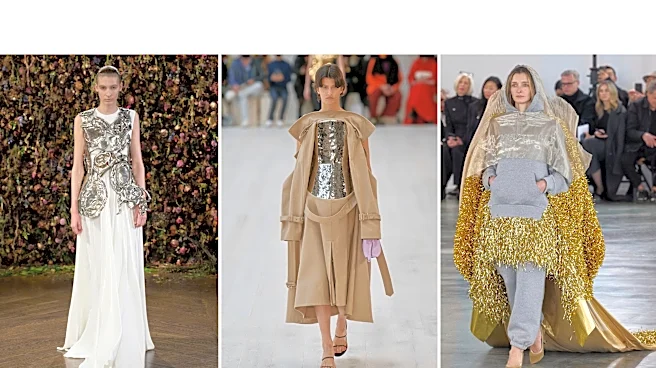
The Met Gala has officially announced its new theme for the upcoming event: 'extraORDINARY: Fashion and the Poetics of the Everyday.' This decision follows the earlier cancellation of an exhibit and gala theme centered on the work of John Galliano, which
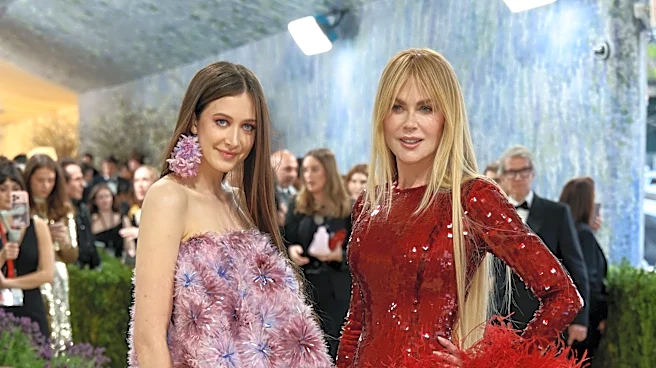
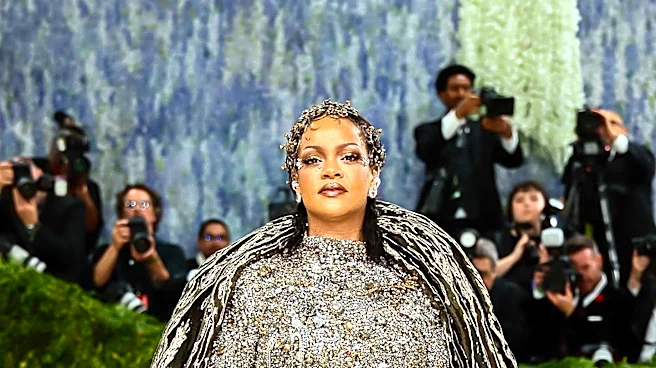
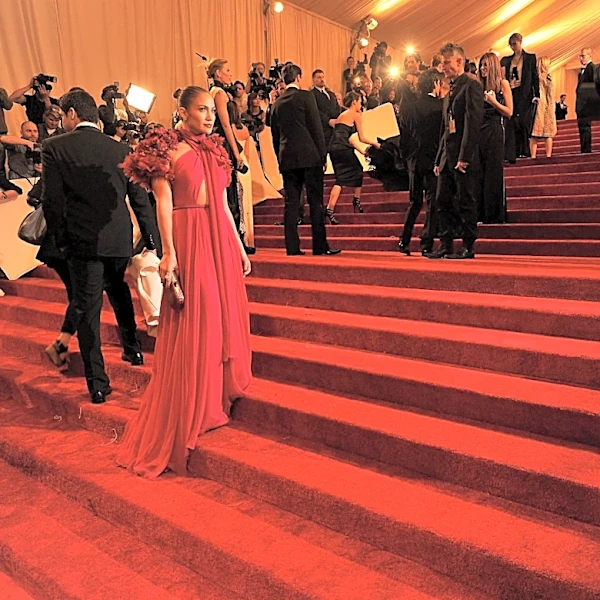
was scrapped due to anticipated backlash. The new theme, described as focusing on everyday clothing transitioning from streets to runways, and the coexistence of chic and comfort, was revealed quietly via a news release. The New York Times noted the subdued announcement reflects a rush to finalize a 'second choice' theme, with no accompanying catalog planned. Instagram/Meta is confirmed as a sponsor, alongside Moncler as the fashion sponsor, aligning with the theme by showcasing how utility items like puffer jackets become high fashion. The announcement has sparked discussions about potential celebrity attire, including humorous speculation about attendees wearing Juicy Couture tracksuits or True Religion jeans.
Why It's Important?
This shift in the Met Gala's theme highlights the evolving dynamics within the fashion industry and cultural institutions. The initial attempt to feature John Galliano, a controversial figure, and its subsequent retraction, underscore the increasing scrutiny and demand for accountability from public figures and organizations. The new theme, 'extraORDINARY: Fashion and the Poetics of the Everyday,' could democratize high fashion, making it more relatable and accessible to a broader audience. It also acknowledges the significant influence of Black tastemakers and hip-hop culture on mainstream fashion trends, particularly from the late 1990s and 2000s. This recognition could lead to a more inclusive representation of fashion history and contemporary styles. The quiet announcement and lack of a catalog suggest a reactive rather than proactive approach, potentially impacting the event's prestige and the public's perception of its planning and execution. The choice of sponsors like Instagram/Meta and Moncler further emphasizes the blend of digital influence and practical luxury in modern fashion.
What's Next?
The fashion world will now anticipate the celebrity co-chairs for the upcoming Met Gala, who have yet to be announced. Their selection will likely influence the interpretation and execution of the 'everyday fashion' theme on the red carpet. The event itself, scheduled for the first Monday in May, will be a significant moment to observe how designers and celebrities interpret the theme, potentially showcasing a range of styles from elevated casual wear to luxurious adaptations of ordinary garments. The focus on 'everyday' fashion might also lead to increased public engagement, as it could feel more relatable than highly abstract or niche themes. Furthermore, the success or controversy surrounding this theme could set a precedent for future Met Gala planning, potentially encouraging more culturally sensitive and broadly appealing themes, or conversely, highlighting the challenges of navigating public opinion in high-profile cultural events.
Beyond the Headlines
The Met Gala's pivot to 'extraORDINARY: Fashion and the Poetics of the Everyday' delves into deeper cultural and ethical considerations. The initial backlash against the John Galliano theme underscores the ongoing debate about separating art from artist, particularly when an artist's past actions are deemed problematic. The new theme, while seemingly 'uncontroversial,' implicitly raises questions about authenticity and appropriation in fashion. By highlighting the journey of street styles to high fashion, it prompts reflection on how trends originate, are adopted, and sometimes commercialized, often without proper acknowledgment of their cultural roots. The humorous speculation about Juicy Couture tracksuits, while lighthearted, points to the cyclical nature of fashion and the re-evaluation of past trends. This theme could also spark discussions about sustainability in fashion, as 'everyday' items often have a longer lifespan and are less trend-driven, potentially encouraging a more conscious approach to consumption. Ultimately, the event will serve as a barometer for how the fashion industry balances artistic expression with social responsibility and cultural relevance.