





What's Happening?
Prebiotic foods, which are specific fibers that nourish beneficial gut bacteria, are crucial for maintaining optimal gut health in older adults. As individuals age, digestive functions naturally decline, including reduced stomach acid production, slower
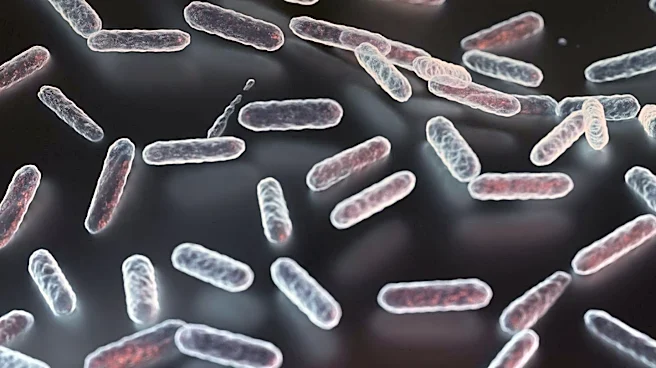
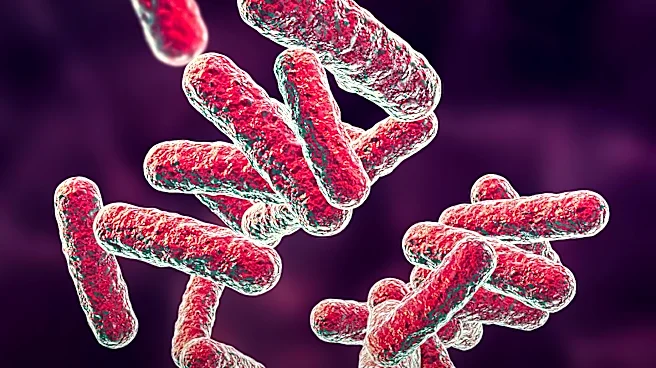
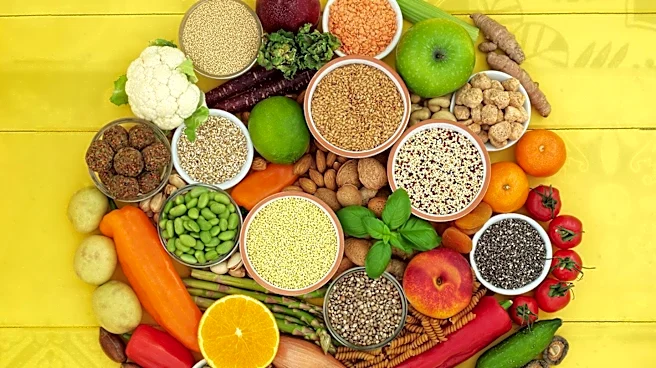
gut motility, and decreased microbiome diversity. Incorporating prebiotic-rich foods such as garlic, onions, leeks, asparagus, bananas, oats, and chicory root can stimulate the growth of beneficial bacteria like bifidobacteria and lactobacilli. This process supports microbial diversity, which in turn improves digestion, reduces inflammation, and enhances mineral absorption. Without adequate prebiotics, probiotics struggle to survive and colonize the gut effectively. Therefore, a diet rich in these specific fibers is foundational for older adults aiming to improve digestive comfort, maintain regular bowel movements, and strengthen overall immunity.
Why It's Important?
The emphasis on prebiotic foods for older adults addresses a significant public health concern: the decline in digestive health with age. Digestive discomforts like chronic constipation, bloating, and acid reflux are prevalent among seniors, impacting their quality of life and nutrient absorption. By highlighting the importance of prebiotics, this guidance offers a dietary strategy to mitigate these issues. Improved gut health in older adults can lead to better energy levels, enhanced immune function, and reduced inflammation, contributing to overall well-being and potentially lowering healthcare burdens. For the food industry, this underscores a growing market for functional foods and supplements tailored to the needs of an aging population, promoting products rich in natural prebiotics or fortified with them.
What's Next?
As awareness of the benefits of prebiotics for older adults grows, there will likely be an increased focus on dietary recommendations and product development. Healthcare providers and nutritionists may more actively incorporate prebiotic-rich food suggestions into their advice for senior patients. The food industry could respond by developing more accessible and palatable prebiotic-rich food options, such as fortified cereals, yogurts, or ready-to-eat meals designed for seniors. Educational campaigns might also emerge to inform older adults and their caregivers about the specific foods that can support gut health. Furthermore, research may continue to explore the precise mechanisms and optimal dosages of various prebiotics for age-related digestive issues, potentially leading to more targeted nutritional interventions.
Beyond the Headlines
The focus on prebiotics for older adults reflects a broader understanding of the gut microbiome's profound influence on systemic health, extending beyond digestion to immunity, mood, and metabolic stability. This shift encourages a more holistic approach to aging, where dietary interventions play a proactive role in health maintenance rather than just symptom management. Ethically, it highlights the importance of accessible nutritional education for seniors, ensuring they have the knowledge and resources to make informed dietary choices. Culturally, it may foster a greater appreciation for traditional foods known for their prebiotic properties. Long-term, this emphasis could contribute to a paradigm shift in geriatric care, integrating nutritional science more deeply into preventative health strategies for the elderly, potentially reducing reliance on pharmaceutical interventions for common age-related digestive complaints.