






What's Happening?
Ayurveda, a traditional system of medicine originating in India, is increasingly being adopted in the U.S. for the well-being of pets, including dogs and cats. This holistic healing approach, which translates to 'wisdom of life,' views the body, mind,
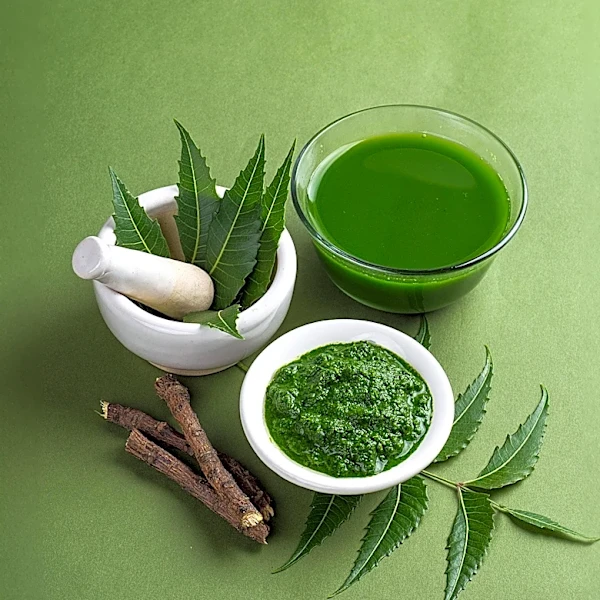
and soul as a unified entity. It encompasses Ayurvedic nutrition, massage and cleansing techniques, spiritual yoga, and herbal medicine. The core principle of Ayurveda is to activate self-healing powers and restore balance between body and mind. For animals, this involves individually tailored recommendations for care, movement, nutrition, training, and healing, often utilizing dietary supplements like spices and Ayurvedic herbs. Historically, Ayurvedic medicine was applied to animals in ancient India, with healers learning from animals' instinctive search for medicinal plants. The system identifies three 'doshas'—Vata (movement), Pitta (metabolism), and Kapha (structure)—which represent life energies. Imbalances in these doshas are believed to lead to illness, and Ayurvedic treatments aim to restore their equilibrium.
Why It's Important?
The growing interest in Ayurveda for pets in the U.S. signifies a broader trend towards natural and holistic approaches in animal healthcare. This shift reflects pet owners' desire for alternative or complementary therapies beyond conventional veterinary medicine. The individualized nature of Ayurvedic treatment, which customizes care based on an animal's unique constitution, could offer new avenues for managing chronic conditions or promoting general wellness in pets. This trend may also influence the pet product market, leading to increased demand for Ayurvedic-inspired pet foods, supplements, and wellness services. For veterinary professionals, it presents an opportunity to integrate traditional practices into modern care, potentially fostering a more comprehensive approach to animal health. However, it also necessitates proper training and regulation to ensure safe and effective application of these ancient practices in a contemporary context.
What's Next?
As Ayurveda for pets gains popularity, the U.S. may see an increase in specialized Ayurvedic animal therapists and health consultants. This could lead to the development of more structured training programs and certifications for practitioners in this niche. The market for Ayurvedic pet products, including herbal supplements, specialized diets, and massage oils, is likely to expand. Research into the efficacy of Ayurvedic treatments for specific animal ailments may also increase, providing scientific validation for these traditional methods. Furthermore, veterinary clinics might begin to offer Ayurvedic consultations or integrate certain practices, such as Ayurvedic massages or dietary recommendations, into their services. Pet owners are likely to seek more information and resources on how to apply Ayurvedic principles to their pets' daily lives, driving demand for educational materials and workshops.
Beyond the Headlines
The integration of Ayurveda into U.S. pet care highlights a cultural convergence, bringing ancient Eastern healing philosophies into Western animal husbandry. This movement challenges conventional views of pet health, emphasizing prevention and holistic balance rather than solely focusing on symptom management. It also raises ethical considerations regarding the responsible application of traditional medicine, ensuring that practices are evidence-informed and do not replace necessary conventional veterinary care. The trend could foster a deeper connection between pet owners and their animals, as practices like Ayurvedic massage and yoga encourage interactive wellness routines. Moreover, it underscores a broader societal shift towards natural living and mindfulness, extending these values to companion animals and reflecting a more integrated approach to health across species.