





What's Happening?
The wellness travel market is experiencing substantial growth, with travelers increasingly dedicating more of their holiday budgets to health-focused experiences. The Global Wellness Institute’s 2025 Wellness Economy Monitor indicates that wellness tourism
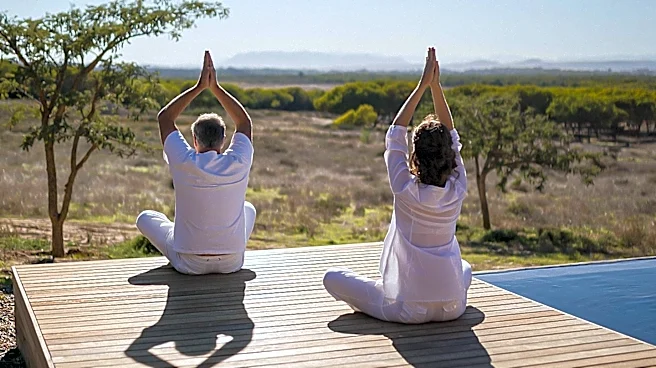
is a significant part of global tourism expenditure. This trend is leading to a new model where elite athletes are collaborating with luxury hospitality brands to create distinctive travel experiences. For instance, SHA Wellness has partnered with Fernando Alonso, Mandarin Oriental with Simone Biles, and Puente Romano Marbella with Novak Djokovic. These collaborations move beyond traditional celebrity endorsements, integrating athlete expertise, sporting heritage, and wellness infrastructure to offer personalized health, recovery, and longevity programs. The focus is shifting from simple relaxation to measurable health goals, active experiences, and the principles of high-performance sport, treating wellness as a continuous process rather than a one-time treatment.
Why It's Important?
This evolution in wellness travel signifies a broader shift in consumer priorities, where health and well-being are becoming central to luxury travel decisions. For the hospitality industry, this means an opportunity to differentiate offerings and enhance destination competitiveness by providing sophisticated, integrated wellness programs. The involvement of elite athletes lends credibility and a tangible narrative to these programs, making complex wellness concepts more accessible and appealing to consumers. This trend impacts U.S. luxury hospitality brands and destinations, as they must adapt to meet the demand for performance-oriented, personalized wellness experiences. It also highlights the increasing value placed on preventative health, recovery, and long-term well-being, influencing how travel and leisure are perceived and consumed by affluent individuals.
What's Next?
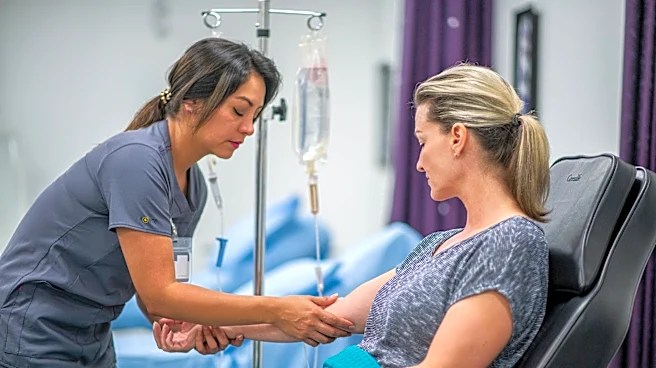
The luxury wellness travel sector is expected to continue its trajectory towards more personalized and performance-oriented programs. Hospitality brands will likely further integrate medical assessments, fitness programs, nutritional guidance, sleep-focused services, and recovery treatments into their offerings. The success of these initiatives will depend on the authenticity of athlete partnerships and the genuine integration of their philosophies into the guest experience. For instance, SHA Wellness and Fernando Alonso align on performance and longevity, while Mandarin Oriental and Simone Biles focus on movement, recovery, and holistic well-being. The Texas Hill Country is emerging as a significant wellness destination, with various luxury resorts offering different interpretations of wellness-oriented escapes, indicating a future where travelers can choose from a diverse range of specialized wellness experiences.
Beyond the Headlines
The deeper implication of this trend is the blurring of lines between luxury travel, sports science, and preventative healthcare. It reflects a societal shift towards viewing health as an active investment rather than merely the absence of illness. This convergence could lead to ethical considerations regarding the commercialization of health and the potential for creating exclusive, high-cost wellness experiences that are inaccessible to the broader population. Culturally, it reinforces the ideal of peak performance and longevity, potentially influencing lifestyle choices beyond travel. Legally, it may necessitate new regulations or standards for wellness programs that incorporate medical or high-performance sports elements, ensuring safety and efficacy for consumers. The long-term impact could be a redefinition of luxury itself, where true luxury is equated with optimized health and sustained well-being.