

What's Happening?
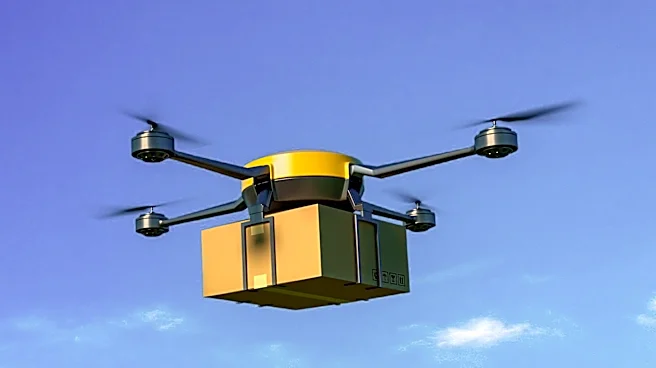
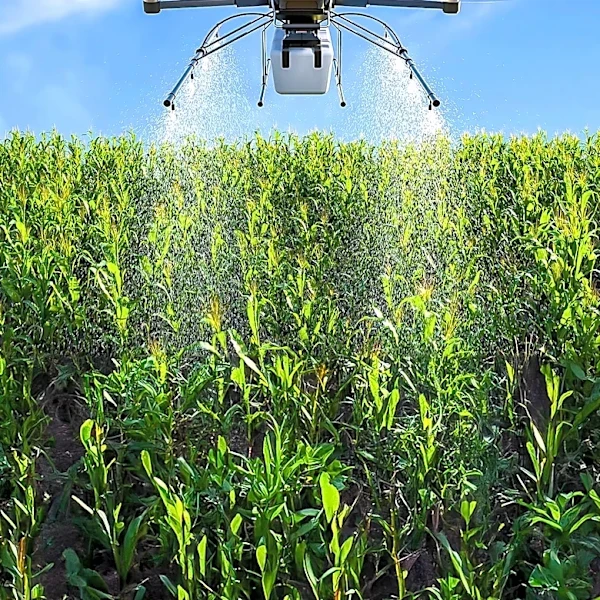
Walmart has announced a new multi-year agreement with drone delivery company Zipline, aiming to establish 300 additional drone delivery locations across the United States. This expansion builds on an existing partnership that has already completed over
2 million deliveries. The initiative is designed to enhance convenience for shoppers, offering delivery of tens of thousands of eligible items in as little as 30 minutes in areas where the service is operational. Customers can access drone delivery through Walmart's website or app if their address is within an eligible service zone. This move is part of Walmart's broader strategy to prioritize convenience, alongside affordability, to attract and retain customers. Zipline CEO and co-founder Keller Cliffton noted the shift in consumer behavior, where customers now order multiple times a day due to the speed of delivery, allowing them to focus on personal life rather than errands. Walmart also provides other delivery options, including 30-minute or less delivery in select markets and one-hour express delivery.
Why It's Important?
This expansion of Walmart's drone delivery network signifies a significant strategic move in the competitive retail landscape, particularly against rivals like Costco. By heavily investing in rapid delivery services, Walmart aims to solidify its position as a leader in convenience, a factor increasingly valued by consumers. This could give Walmart a distinct advantage by increasing shopping frequency and fostering customer loyalty, as shoppers are more likely to choose retailers that offer quick and effortless access to everyday essentials. The focus on delivery also highlights a divergence in strategy compared to Costco, which emphasizes the in-store experience. While Walmart's approach could boost its business in terms of delivery volume and customer retention, there's a potential risk that an overemphasis on delivery might detract from efforts to enhance the in-store shopping experience, which could still be a draw for customers who live close to stores. The success of this strategy will depend on balancing convenience with other aspects of the retail experience.
What's Next?
The immediate next steps involve the implementation and scaling of the 300 new drone delivery locations across the U.S. This will require significant logistical coordination between Walmart and Zipline, including regulatory approvals, infrastructure development, and operational setup in new areas. As the service expands, Walmart will likely monitor customer adoption rates and the impact on sales and customer loyalty. The success of this initiative could prompt further investments in drone technology and other rapid delivery methods, potentially setting a new standard for retail convenience. Competitors, including Costco and other e-commerce giants, will be closely observing Walmart's progress. Their reactions could range from developing similar drone delivery capabilities to intensifying their focus on alternative competitive advantages, such as unique in-store experiences or different delivery models. The long-term success will also depend on the cost-effectiveness and scalability of drone delivery, as well as consumer acceptance and satisfaction with the service.
Beyond the Headlines
This aggressive expansion into drone delivery by Walmart has broader implications for the future of retail and consumer behavior. It underscores a fundamental shift in consumer expectations, where instant gratification and seamless access to goods are becoming paramount. This move could accelerate the decline of traditional brick-and-mortar shopping experiences, particularly for routine purchases, as the convenience of doorstep delivery in minutes becomes more widespread. Ethically, the increased use of drones raises questions about airspace management, noise pollution, and data privacy, which regulatory bodies will need to address. Economically, it could create new job categories in drone operation and maintenance, while potentially displacing traditional delivery roles. Culturally, the normalization of drone delivery could further integrate technology into daily life, altering how people perceive shopping and errands. This development also highlights the ongoing technological arms race in retail, where companies are constantly seeking innovative ways to gain a competitive edge and redefine the shopping experience.