
What's Happening?
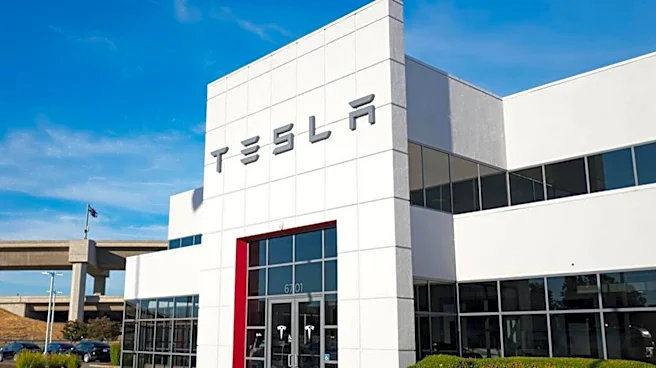
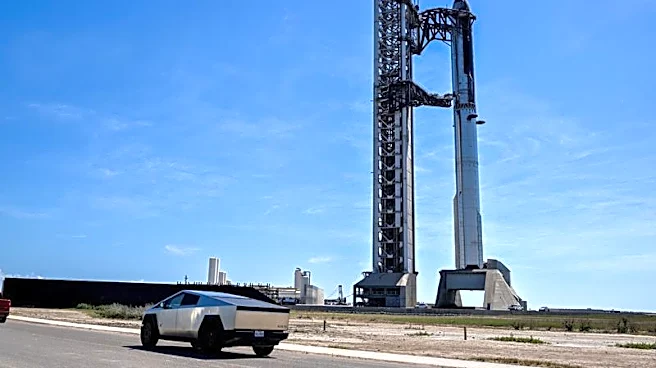
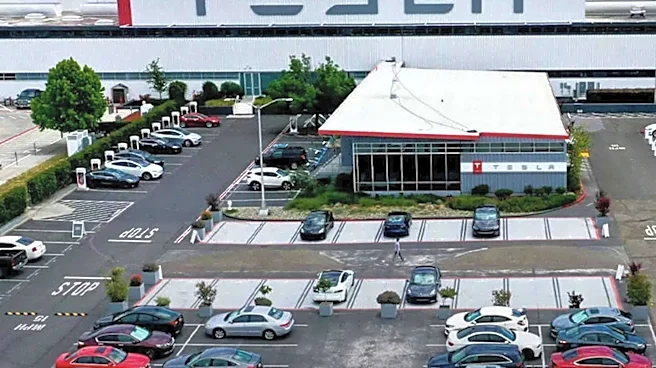
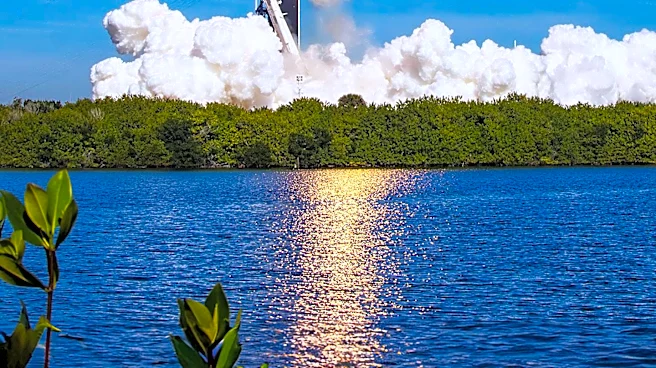
Tesla (TSLA) and SpaceX (SPCX) have reportedly appointed a total of five board members to form a negotiating committee for a potential merger between the two companies. According to the Financial Times,
this committee will consist of three directors from Tesla and two from SpaceX. The Tesla representatives on this committee are Robyn Denholm, Kathleen Wilson-Thompson, and Jack Hartung. From SpaceX, the appointed directors are Roelof Botha and Randy Glein. This development indicates a formal step towards exploring the feasibility and terms of a combined entity, bringing together two prominent companies founded by Elon Musk. The formation of such a committee suggests that discussions are moving beyond preliminary stages and into structured negotiations.
Why It's Important?
A potential merger between Tesla and SpaceX carries significant implications for the technology, automotive, and aerospace industries, as well as for the broader U.S. economy. Such a consolidation could create a colossal entity with diverse interests ranging from electric vehicles and artificial intelligence to space exploration and satellite internet. For investors, it could lead to a re-evaluation of both companies' stock, potentially creating a new market leader with unprecedented reach. The merger could also streamline resource allocation and innovation efforts across these high-tech sectors, potentially accelerating advancements in areas like sustainable energy and space technology. However, it also raises questions about market concentration and regulatory oversight, given the substantial influence both companies already wield in their respective fields.
What's Next?
The newly formed negotiating committee is expected to commence discussions on the terms and structure of the potential merger. These negotiations will likely involve complex financial valuations, operational integration strategies, and considerations of corporate governance. Key aspects to be addressed include how to combine the distinct business models of an automotive and energy company with a space launch and satellite internet provider. Regulatory bodies will also likely scrutinize any proposed merger for antitrust implications, given the market dominance of both Tesla and SpaceX in their sectors. The outcome of these negotiations will determine whether a formal merger proposal is put forth to shareholders and how the combined entity would operate.
Beyond the Headlines
Beyond the immediate financial and operational aspects, a merger between Tesla and SpaceX could represent a significant shift in corporate strategy for Elon Musk's ventures. It could signal a move towards a more integrated ecosystem of advanced technologies, where innovations in one sector, such as AI developed for autonomous vehicles, could be directly applied to space systems. This integration could foster a unique synergy, potentially accelerating technological breakthroughs that might not be possible if the companies remained separate. However, it also presents challenges in managing such a diverse portfolio under a single corporate umbrella, including potential conflicts of interest, differing corporate cultures, and the sheer complexity of overseeing operations across such disparate industries. The long-term impact on competition and innovation within these sectors will be a critical area to watch.