







What's Happening?
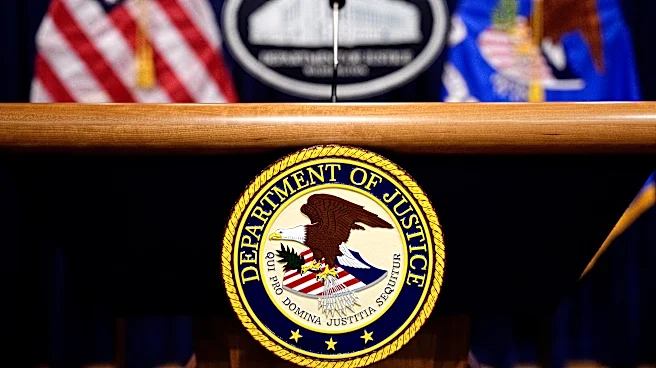
Medical device companies planning to enter the U.S. market must prioritize corporate compliance due to aggressive federal and state enforcement of fraud and abuse laws. The U.S. Department of Justice (DOJ) and the U.S. Department of Health & Human Services’
Office of Inspector General (OIG) are actively pursuing enforcement actions, with significant financial and operational consequences for non-compliance. Key areas of interest for enforcement include sales and marketing strategies, financial relationships with referral sources (particularly physicians), and promotional and billing practices. Examples of past enforcement actions include ResMed Corp. paying over $37.5 million for alleged kickbacks, Aesculap Implant Systems LLC settling for $38.5 million over allegations of selling prematurely failing knee replacement devices, and Diopsys paying $14.25 million for promoting devices for unapproved uses. These cases demonstrate that enforcement targets companies of all sizes and individuals, emphasizing the need for robust compliance programs from the outset.
Why It's Important?
The aggressive enforcement of corporate compliance laws in the U.S. medical device market is critically important for several reasons. Firstly, it protects the integrity of the healthcare system by preventing fraud, abuse, and practices that could compromise patient care or inflate costs for federal programs like Medicare and Medicaid. Secondly, it creates a level playing field for companies by deterring unethical competitive practices such as kickbacks and off-label promotion. For new entrants, understanding and implementing a strong compliance program is not merely a regulatory hurdle but a strategic imperative to avoid severe financial penalties, reputational damage, and potential criminal charges. This enforcement landscape ensures that medical device companies operate transparently and ethically, ultimately benefiting patients by ensuring they receive appropriate and safe medical technologies based on legitimate medical need, not undue influence.
What's Next?
Medical device companies entering or operating in the U.S. market should expect continued aggressive enforcement from federal and state authorities. The OIG's annual Work Plan will likely continue to flag medical device-related fraud and abuse concerns, and the DOJ will act on these. Companies must proactively build and strengthen their compliance programs, focusing on recurring risk areas such as financial relationships with healthcare providers, promotional practices, and oversight of third-party distributors. This includes appointing chief compliance officers, drafting codes of conduct, conducting risk assessments, and establishing clear reporting mechanisms. Non-compliance with reporting obligations, such as the Physician Payments Sunshine Act, will remain a significant red flag for investigators. Companies that invest early in robust compliance infrastructure will be better positioned to navigate this complex regulatory environment and achieve sustainable growth.
Beyond the Headlines
The stringent corporate compliance environment for medical device companies in the U.S. reflects a deeper societal demand for accountability and ethical conduct in healthcare. Beyond the legal and financial implications, the focus on preventing kickbacks and off-label promotion addresses concerns about patient trust and the potential for medical decisions to be influenced by commercial interests rather than clinical necessity. This regulatory pressure encourages a culture of transparency and integrity within the industry, which can lead to more responsible innovation and marketing practices. However, it also places a significant burden on companies, particularly smaller or international firms, to navigate a complex web of regulations. The long-term impact could be a more ethical and patient-centered medical device industry, but one that requires continuous vigilance and adaptation to evolving legal and ethical standards.