


What's Happening?
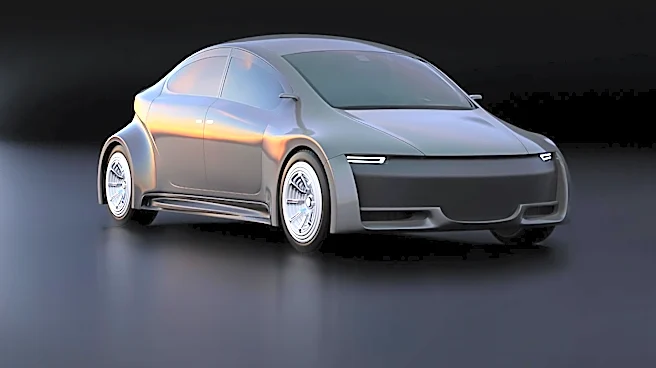
Tesla's new Cybercab, designed primarily for robotaxi use, is facing challenges in the personal vehicle market due to its two-seat configuration. The design choice is based on the average number of passengers in a vehicle, which is typically low. However,
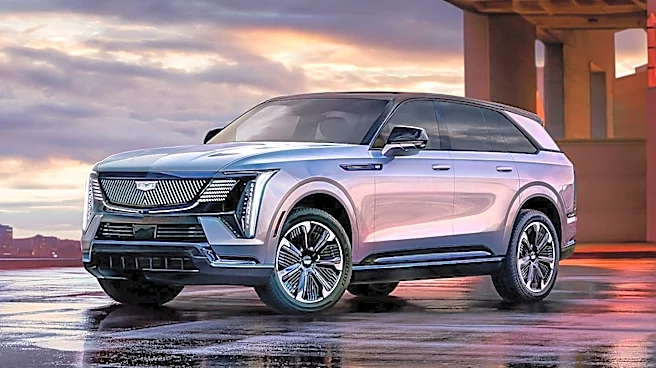
the U.S. market has shown a preference for larger vehicles with more seating capacity. This trend is evident as consumers continue to favor SUVs and larger cars, even when not all seats are needed. The Cybercab's limited seating may hinder its appeal to private buyers, who often prioritize space and versatility in their vehicle choices.
Why It's Important?
The introduction of the Cybercab highlights a potential misalignment between Tesla's product strategy and consumer preferences in the U.S. automotive market. While the vehicle is optimized for efficiency and cost-effectiveness as a robotaxi, its practicality for personal use is questionable. This situation underscores the challenges automakers face in balancing innovation with market demands. The success of the Cybercab could influence future design and marketing strategies for autonomous vehicles, particularly in how they cater to consumer needs and expectations.
What's Next?
Tesla may need to reassess its approach to the Cybercab's market positioning. If the vehicle is to succeed as a personal car, Tesla might consider offering versions with more seating or additional features that appeal to a broader audience. The company will also need to navigate regulatory and logistical hurdles in deploying robotaxis, which could impact the Cybercab's adoption. Monitoring consumer feedback and sales performance will be crucial in determining the vehicle's future in the market.