



What's Happening?
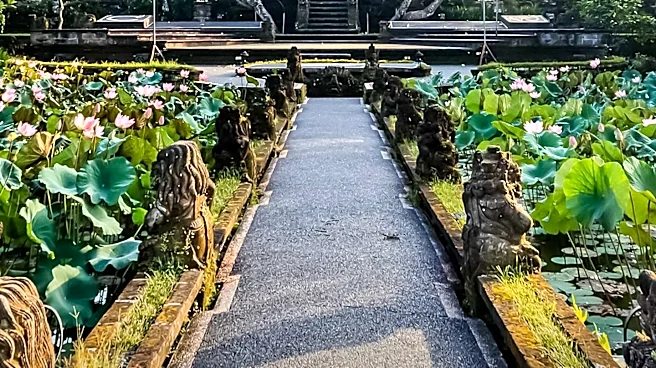
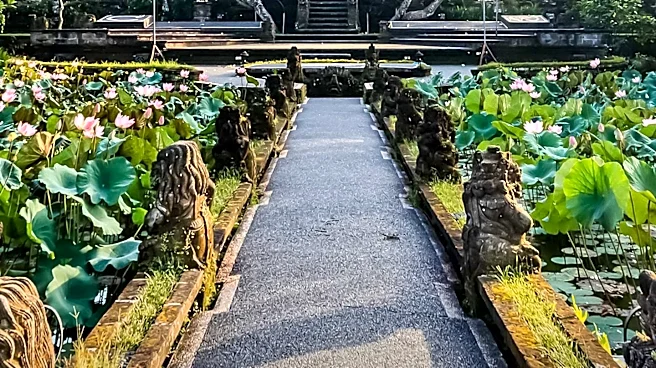
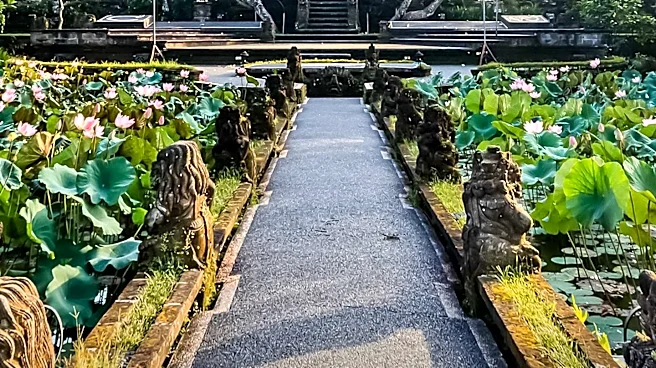
Ubud, located in the green interior of Bali, is highlighted as a prime destination for travelers seeking cultural immersion and natural landscapes, distinct from Bali's coastal beach resorts. The area is characterized by rice terraces, river valleys,
and temple compounds. Visitors to Ubud can engage in activities such as exploring the Tegalalang rice terraces, visiting local art markets, participating in traditional cooking classes, and touring temples. The region is also recognized for its wellness retreats, yoga studios, and spa experiences, catering to those looking for a more relaxed pace. Unlike coastal areas like Seminyak or Uluwatu, Ubud does not offer ocean beaches within walking distance, focusing instead on Balinese culture, countryside scenery, and wellness activities. Central Ubud can experience heavy traffic and crowded attractions during peak times, but quieter experiences are available outside the busiest areas. Balinese traditions, including offerings and ceremonies, are an integral part of daily life in Ubud.
Why It's Important?
Ubud's focus on cultural and natural tourism provides a significant alternative to the typical beach-centric holiday experience in Bali. This distinction is important for the tourism industry as it diversifies Bali's appeal, attracting a broader range of visitors interested in cultural heritage, wellness, and agricultural landscapes. For travelers, it offers an opportunity to engage more deeply with Balinese traditions and local life, moving beyond superficial tourist attractions. The emphasis on slower-paced activities like rice-field walks and cooking classes supports local communities and traditional practices, contributing to sustainable tourism. The availability of wellness retreats and spa experiences also taps into the growing global demand for health and well-being tourism, positioning Ubud as a key player in this niche market. This approach helps to distribute tourist activity and economic benefits beyond the heavily developed coastal regions.
What's Next?
For first-time visitors, a stay of at least three days is recommended to comfortably explore Ubud's offerings, balancing sightseeing with cultural experiences and relaxation. Travelers are advised to choose accommodation based on their preference for convenience in central Ubud or the quieter surroundings of countryside areas like Bentuyung. Transportation options include walking for central attractions, private drivers for wider exploration, and ride-hailing services, with caution advised for scooter rentals due to unfamiliar road conditions. Key experiences include visiting Ubud Palace and Saraswati Temple, exploring rice fields, experiencing traditional markets, joining Balinese cooking classes, and attending cultural performances. Visitors are encouraged to respect local customs, such as learning basic Indonesian greetings, being mindful of offerings, and dressing appropriately at sacred sites. Planning for tropical weather and avoiding over-scheduling are also crucial for an enjoyable visit.
Beyond the Headlines
The distinct character of Ubud, emphasizing cultural authenticity and natural beauty over typical beach tourism, highlights a broader trend in the travel industry towards experiential and sustainable tourism. This shift encourages visitors to seek deeper connections with local cultures and environments, moving away from mass tourism models. The integration of Balinese traditions into the visitor experience, from daily offerings to cultural performances, underscores the importance of preserving and sharing indigenous heritage. This approach can foster a more respectful and mutually beneficial relationship between tourists and local communities. Furthermore, the focus on wellness and slow travel in Ubud reflects a growing consumer desire for holidays that promote mental and physical well-being, suggesting a long-term evolution in travel motivations beyond mere leisure. The challenges of traffic congestion in central areas also point to the ongoing need for sustainable infrastructure and tourism management in popular destinations.