


What's Happening?
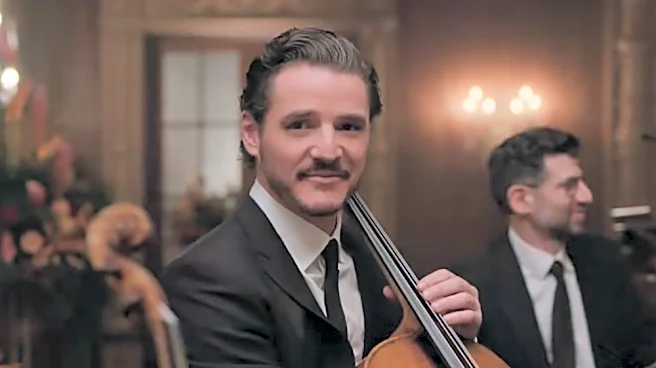
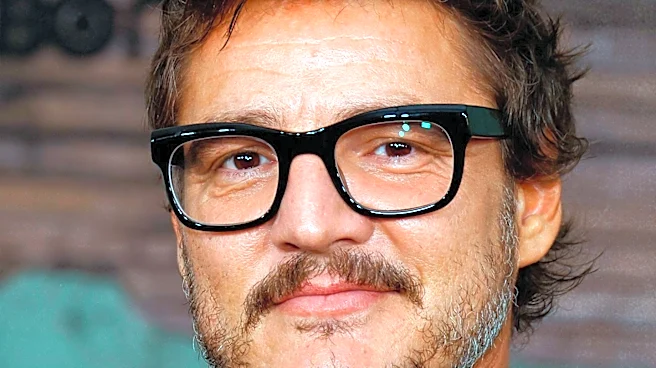
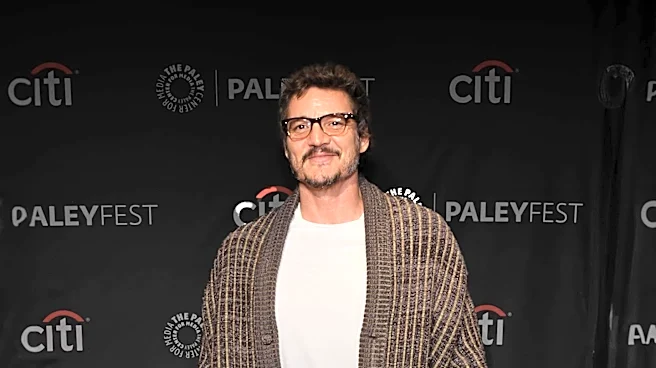
Major Latino stars, including Diego Luna, Pedro Pascal, and Jenna Ortega, are taking on complex roles and leading significant projects in the entertainment industry. This movement is challenging longstanding stereotypes and representation gaps in media.
Despite their success, research indicates that Latino stereotypes persist, often reducing characters to one-dimensional roles such as criminals or domestic workers. Influential Latino celebrities are demonstrating that Latino identity is diverse and cannot be confined to a single accent or personality. Initiatives like 'Latinas Acting Up' are supporting industry professionals in rejecting harmful stereotypes and promoting more nuanced portrayals.
Why It's Important?
The shift in representation is crucial as media images significantly influence public perception and understanding of Latino communities. By portraying Latino characters in diverse and complex roles, the entertainment industry can help dismantle biases and foster empathy. This change also impacts career opportunities for Latino actors, writers, and directors, allowing them to break free from narrow casting instructions and gain creative authority. Improved representation can inspire young Latino viewers by showing them in roles such as doctors, executives, and scientists, expanding the narrative of who belongs in American stories.
What's Next?
For lasting change, the industry must create more opportunities for Latino professionals at all levels, from newcomers to senior leaders. This includes increasing Latino representation in lead roles, writing rooms, and studio leadership. Independent programs and mentorship groups are essential in widening access, but sustained investment and marketing support are needed. Studios should measure progress by evaluating who creates and controls stories, ensuring roles have depth, and promoting Latino professionals to ensure structural change rather than temporary visibility.
Beyond the Headlines
The broader implications of this movement include a potential shift in how cultural narratives are constructed and consumed. By gaining creative control, Latino artists can shape the tone, language, and history of their projects, challenging the industry's reliance on generic cultural templates. This could lead to a more inclusive and representative media landscape, where diverse stories are not only told but also valued and celebrated.