



What's Happening?
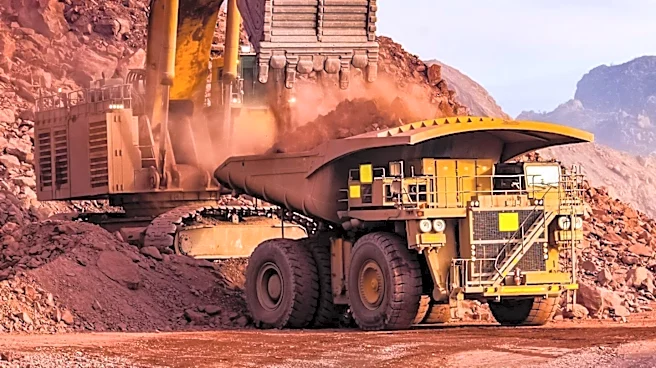
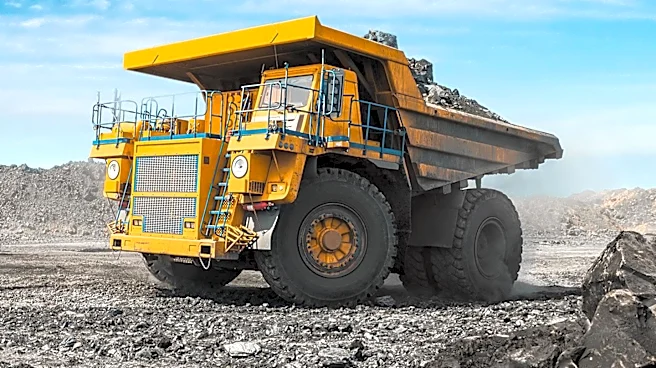
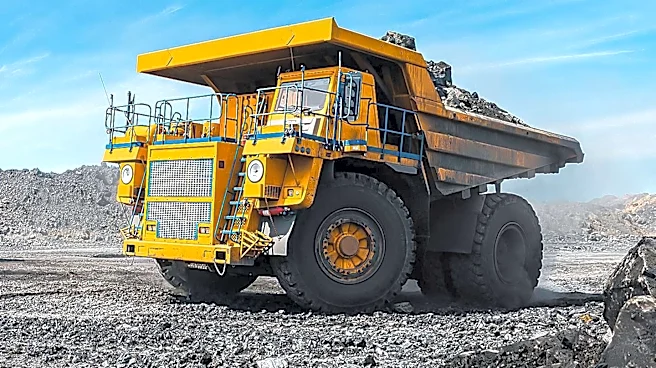
SANY has unveiled its new battery-electric SET260E mining truck, a 240-tonne capacity vehicle operating on a 1,500-volt platform, at bauma CHINA. This truck is touted as the world's largest battery-electric mining truck, featuring a 4,130 kWh lithium
iron phosphate battery designed for heavy-duty mining. It can charge from 10% to 90% in 30 minutes, providing over six hours of hauling. The SET260E also boasts electric braking with over 3 MW continuous regenerative capacity, wet brakes on the front axle, and combined service and parking wet brakes on the rear axle. In addition to the SET260E, SANY introduced the SKT165Ei, a 100-tonne class cabless autonomous electric mining truck, and the SKT115Ei, a 70-tonne class autonomous electric wide-body mining truck. These autonomous models utilize SANY's proprietary Autonomous Haulage System (AHS), featuring fused perception via LiDAR, cameras, and radar for 360-degree coverage, centimeter-level positioning, and vehicle-cloud coordination.
Why It's Important?
The introduction of SANY's battery-electric and autonomous mining trucks marks a significant advancement in the mining industry's shift towards electrification and automation. For the U.S. mining sector, these innovations offer potential benefits in terms of reduced operational costs, lower carbon emissions, and enhanced safety. The SET260E's large capacity and rapid charging capabilities address key concerns regarding the practicality of electric heavy machinery in demanding mining environments. The autonomous features of the SKT165Ei and SKT115Ei can improve efficiency, reduce human error, and allow for continuous operation in hazardous conditions, potentially transforming mining operations across the U.S. This technological leap contributes to the broader global trend of industrial decarbonization and smart manufacturing, impacting environmental regulations and labor dynamics in the mining industry.
What's Next?
SANY's new electric and autonomous mining trucks are expected to undergo further testing and eventual deployment in mining operations globally, including potential markets in the U.S. The company's focus on developing its own AHS suggests a long-term commitment to integrated autonomous solutions. Future developments will likely involve refining these technologies, expanding the range of electric and autonomous heavy machinery, and establishing partnerships for infrastructure support, such as charging stations and maintenance services. The performance and adoption rates of these trucks will be closely watched by competitors and mining companies, influencing future investment and technological direction in the sector.
Beyond the Headlines
The shift towards electric and autonomous mining trucks represents more than just an upgrade in machinery; it signifies a fundamental transformation of the mining industry. Electrification reduces reliance on fossil fuels, mitigating environmental impact and exposure to volatile fuel prices. Automation, particularly with cabless designs, redefines the role of human labor in mining, moving workers from hazardous operational roles to supervisory and maintenance positions. This transition raises important questions about workforce retraining, job displacement, and the ethical implications of autonomous systems. Furthermore, the integration of advanced sensors and cloud-based control systems highlights the increasing convergence of industrial operations with artificial intelligence and IoT, creating 'smart mines' that are more efficient, safer, and environmentally sustainable. The robust battery technology and rapid charging capabilities also push the boundaries of electric vehicle performance in extreme industrial applications.