




What's Happening?
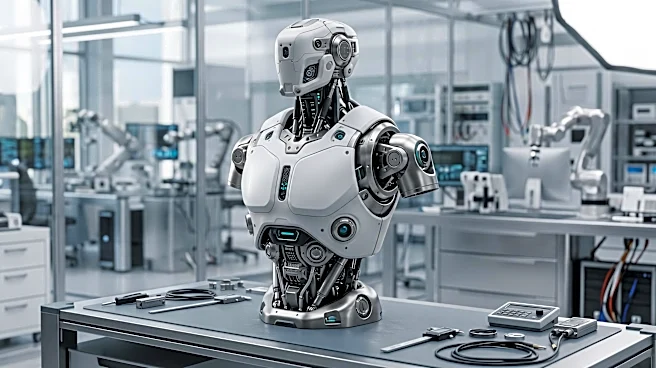
Mehul, co-founder of the home-robotics startup Matic, asserts that humanoid robots are currently a technology platform rather than a marketable product. He argues that the path to advanced home robotics, akin to 'Rosie the Robot,' should begin with selling
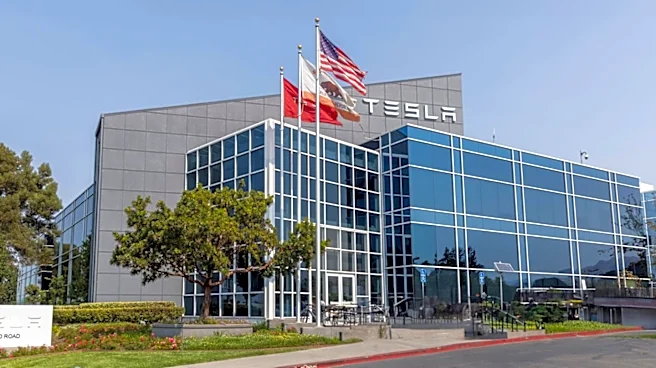
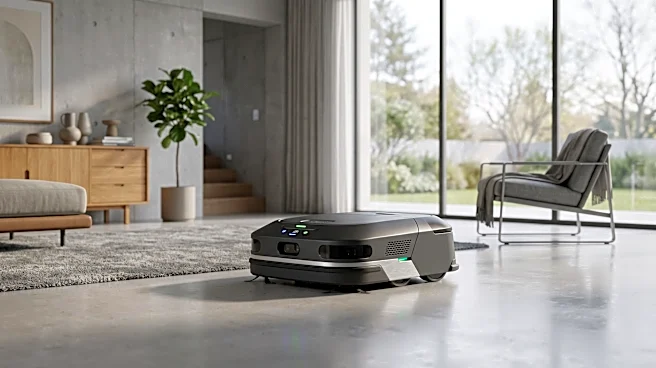
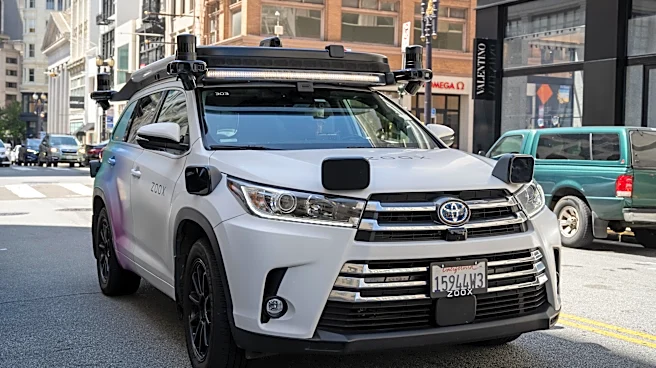
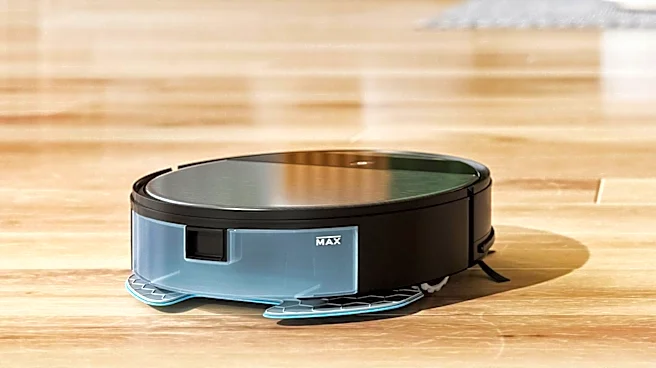
a specialized, narrow product like a floor-cleaning robot. This strategy aims to build customer trust and gather real-world data, which he believes is crucial for iterative development. Matic's approach, chosen in 2017, mirrors Tesla's strategy in autonomous driving: selling a product to generate revenue and collect data, as opposed to the Waymo/Cruise model of building test robots. Mehul emphasizes that no complex machine has been perfected on the first attempt, advocating for shipping a sellable product, learning from customer feedback, and then expanding capabilities. He criticizes humanoid demos for not clearly solving specific in-home problems, positioning them as platforms rather than solutions. Matic's roadmap involves a staged progression: starting with a trusted floor cleaner to solve perception, moving to a trusted organizer for manipulation and dexterity, and finally aiming for a trusted housekeeper for full-body automation. The company currently manufactures its robots in Mountain View, California, producing approximately 200 units daily, with plans to increase volume due to anticipated holiday demand.
Why It's Important?
This perspective challenges the prevailing trend in robotics, where significant investment is often directed towards developing general-purpose humanoid robots from the outset. Matic's product-first strategy could influence how robotics startups prioritize development and market entry, potentially leading to more immediate consumer adoption and revenue generation. By focusing on a specific problem (floor cleaning) with a lower-priced device, Matic aims to collect more real-world data from a larger user base, which Mehul argues is a significant advantage over companies primarily training in simulation. This data-driven approach could accelerate the refinement of robotic capabilities for home environments. The company's decision to manufacture in the U.S. also highlights a potential shift towards localized production in the robotics industry, aiming to keep engineering and production teams in close proximity for better quality control and faster iteration. If successful, Matic's model could demonstrate a viable alternative for scaling robotics companies, emphasizing practical utility and customer trust as foundational elements for future innovation in home automation.
What's Next?
Matic plans to continue its staged roadmap, with the immediate focus on refining its floor-cleaning robot and progressing towards manipulation and dexterity capabilities for a 'trusted organizer' phase. The company anticipates increasing its production volume to meet holiday demand, indicating a push for broader market penetration. Mehul projects that Matic could have a robot beginning to perform tasks similar to 'Rosie the Robot' within four to five years, with a fully realized 'Rosie' potentially a decade away. This timeline suggests ongoing development in AI, perception, and manipulation. The company's success will depend on its ability to build customer trust with its initial product and then convince those customers to invest in more advanced, and likely more expensive, devices as its capabilities expand. The robotics industry will likely observe Matic's progress closely to see if its product-centric, data-gathering strategy proves more effective than the humanoid-first approach in achieving widespread home robotics adoption.
Beyond the Headlines
Matic's strategy touches upon fundamental debates within the robotics community regarding productization, data acquisition, and consumer trust. The argument that cheaper robots lead to greater adoption and thus more valuable data highlights the economic and strategic importance of pricing in emerging technology markets. The emphasis on on-device processing for security, given the use of multiple cameras in customers' homes, addresses critical privacy concerns that could either hinder or accelerate public acceptance of home robots. Furthermore, Matic's design philosophy, which prioritizes friendliness and a non-threatening appearance for its robots, acknowledges the psychological barriers to integrating robots into daily life, especially concerning pets and children. This holistic approach, combining technical innovation with user experience and ethical considerations, suggests a deeper understanding of the complexities involved in bringing advanced robotics into the consumer mainstream. The long-term success of this model could redefine how the industry approaches the development and deployment of intelligent machines in domestic settings.