







What's Happening?
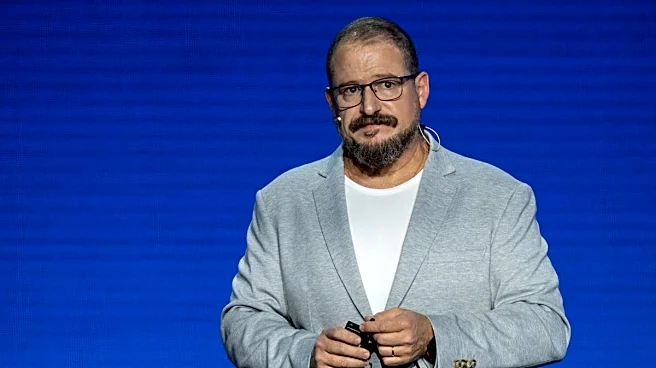
Rene Haas, CEO of Arm Holdings, has stated his increased confidence in the company's ability to meet Wall Street's expectations for $2 billion in revenue from its new data center chip, the AGI CPU. This announcement was made during an interview on CNBC's
"Mad Money." The primary concern for investors has not been the demand for the chip, but rather Arm's capacity to secure sufficient supply to convert that demand into actual revenue, especially given the intense competition for manufacturing capacity amidst the artificial intelligence boom. Arm initially disclosed visibility into $2 billion in demand for the AGI CPU during its May earnings call, which was double the $1 billion previously outlined when the custom CPU was first announced in March. However, the stock experienced a 10% drop at that time because Arm maintained its official $1 billion revenue outlook while working to secure the necessary supply. By July's earnings call, management indicated improved confidence in securing supply, leading to a more than 7% jump in the stock.
Why It's Important?
This development is significant as it marks a major strategic expansion for Arm Holdings. Historically, Arm's business model has centered on licensing its chip designs to customers. The introduction of the AGI CPU represents a shift towards selling a complete, in-house developed chip, directly entering the competitive data center market. Successfully meeting the $2 billion revenue target would validate this new business direction and demonstrate Arm's capability to execute on both design and supply chain management for its own products. For the broader semiconductor industry, Arm's confidence in securing supply highlights the ongoing challenges and intense competition for manufacturing capacity, particularly for advanced AI chips. This situation can impact the production timelines and market entry of other chipmakers, influencing the overall pace of AI infrastructure development and deployment. The performance of companies like Arm is a key indicator of the health and growth trajectory of the AI sector, affecting investor sentiment and strategic investments across the technology landscape.
What's Next?
Arm Holdings will likely continue to focus on strengthening its supply chain partnerships and manufacturing agreements to ensure it can meet the projected demand for its AGI CPU. Investors will closely monitor future earnings calls and company announcements for updates on production capacity, order fulfillment, and actual revenue figures related to the AGI CPU. The company's ability to consistently secure supply will be crucial for sustaining investor confidence and demonstrating the viability of its expanded business model. Furthermore, the success of Arm's AGI CPU could encourage other intellectual property (IP) licensing companies in the semiconductor space to explore similar ventures into developing and selling their own complete chip solutions, potentially reshaping competitive dynamics within the industry. The ongoing demand for AI-enabled consumer devices and automotive applications will also continue to drive the need for efficient AI processing at the network edge, influencing Arm's future product development and market strategies.
Beyond the Headlines
The shift in Arm's business model from primarily licensing intellectual property to developing and selling its own complete chips carries deeper implications for the semiconductor ecosystem. This move could intensify competition with existing chip manufacturers who are also vying for market share in the rapidly expanding AI and data center segments. It also raises questions about the long-term balance between IP licensing and direct product sales within the industry, potentially leading to new strategic alliances or rivalries. The emphasis on securing manufacturing capacity underscores a critical vulnerability in the global technology supply chain, where a few key foundries hold significant power. This situation could accelerate investments in new fabrication facilities and encourage governments to prioritize domestic chip production capabilities, driven by economic and national security concerns. Ultimately, Arm's success in this new endeavor could serve as a bellwether for how other foundational technology providers adapt to the evolving demands and opportunities presented by the artificial intelligence revolution.