





What's Happening?
Mortgage rates in the U.S. have reached their highest level since August, driven by escalating geopolitical tensions and rising oil prices. The average 30-year fixed-rate mortgage increased to 6.58%, while the 15-year rate rose to 5.96%, according to Freddie
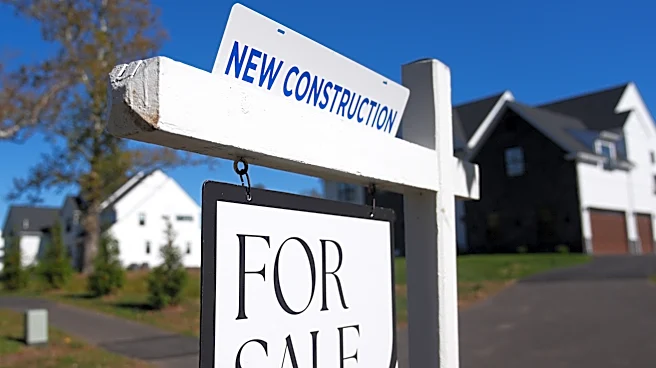
Mac data. The rise in rates is attributed to renewed inflation risks as tensions between the U.S. and Iran escalate, pushing oil prices above $100 per barrel. This development threatens to reverse recent improvements in housing market affordability. Despite the increase in borrowing costs, mortgage applications for home purchases have risen by 6% from the previous week, indicating some homebuyers are still active in the market.
Why It's Important?
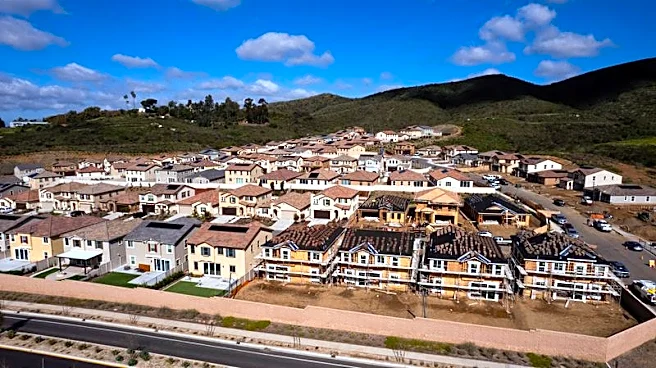
The increase in mortgage rates poses a significant challenge to the U.S. housing market, potentially dampening the recent recovery in affordability. Higher borrowing costs could deter potential homebuyers, slowing down the housing market's momentum. Additionally, the rise in oil prices and inflation concerns could lead to broader economic implications, affecting consumer spending and economic growth. The situation underscores the interconnectedness of global geopolitical events and domestic economic conditions, highlighting the potential for external factors to impact U.S. financial markets and consumer behavior.
What's Next?
If geopolitical tensions continue to escalate, further increases in oil prices and mortgage rates could be expected. This may prompt policymakers to consider measures to stabilize the housing market and address inflationary pressures. The Federal Reserve's upcoming decisions on interest rates will be closely watched, as they could influence borrowing costs and economic activity. Stakeholders in the housing market, including real estate professionals and potential buyers, will need to navigate these uncertainties as they plan for the future.