

What's Happening?
Maziar Mike Doustdar, President and CEO of Novo Nordisk since August 2025, is reportedly preparing the company for significant acquisitions. This strategic shift comes as Novo Nordisk faces intense competition in the GLP-1 market, particularly from Eli
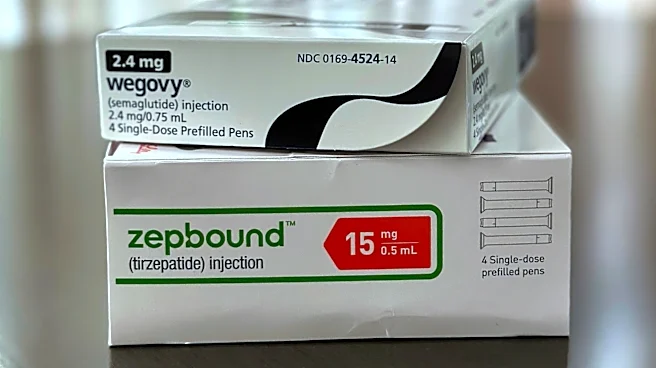
Lilly and Company. While Novo Nordisk's semaglutide (Wegovy) currently holds a strong position in new-to-brand U.S. prescriptions for obesity pills, Eli Lilly's tirzepatide has demonstrated superior weight loss efficacy in trials like SURMOUNT-5. Novo Nordisk's U.S. exclusivity for semaglutide is set to expire in 2031, with approximately 60% of its semaglutide sales originating from the U.S. The company generated DKK 83.8 billion in free cash flow during the first nine months of 2026, indicating a strong financial position to pursue its acquisition goals. Doustdar's readiness to 'go big' suggests a proactive approach to secure future growth and maintain market leadership.
Why It's Important?
This aggressive acquisition strategy by Novo Nordisk, under CEO Maziar Mike Doustdar, is crucial for the company's long-term competitiveness in the U.S. pharmaceutical market. The impending expiration of semaglutide's U.S. exclusivity in 2031 poses a significant revenue risk, making the acquisition of new Phase 3 or near-filing assets vital to bridge the potential revenue gap. The competition with Eli Lilly, which has been actively acquiring companies and recently surpassed Novo Nordisk in market valuation, underscores the urgency for Novo Nordisk to innovate and expand its pipeline. This move could lead to a consolidation in the obesity and metabolic drug market, impacting smaller biotech firms with promising assets. For U.S. patients, this could mean accelerated development and availability of new treatments, but also potential shifts in drug pricing and market access depending on the success of these acquisitions.
What's Next?
Novo Nordisk is expected to actively pursue biotech companies with obesity or metabolic assets, particularly those with Phase 3 or late-stage Phase 2 candidates, between now and 2028. The company's substantial free cash flow provides the financial leverage for such deals. The market will likely observe increased merger and acquisition activity in the pharmaceutical sector, especially among companies specializing in metabolic disorders. Eli Lilly's continued aggressive acquisition strategy will also influence Novo Nordisk's moves, potentially leading to a bidding war for attractive assets. The success of these acquisitions will be critical in determining Novo Nordisk's market position post-2031 and its ability to compete effectively against rivals like Eli Lilly in the lucrative U.S. market.
Beyond the Headlines
The strategic pivot by Novo Nordisk under Maziar Mike Doustdar highlights a broader trend in the pharmaceutical industry: the increasing reliance on external innovation through acquisitions to sustain growth and mitigate patent cliffs. This approach can lead to ethical considerations regarding drug pricing and accessibility, especially if successful acquisitions result in dominant market positions. Furthermore, the intense competition in the GLP-1 space could drive pharmaceutical companies to invest more heavily in research and development for next-generation treatments, potentially leading to more effective and diverse therapeutic options for obesity and diabetes. The long-term implications could include a reshaping of the pharmaceutical landscape, with larger players consolidating their power and smaller, innovative biotechs becoming prime acquisition targets.