
What's Happening?
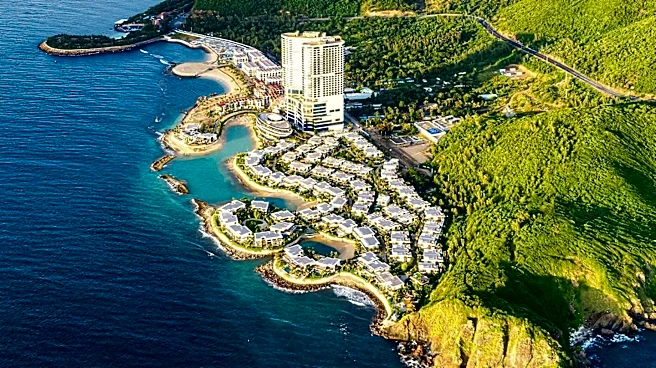
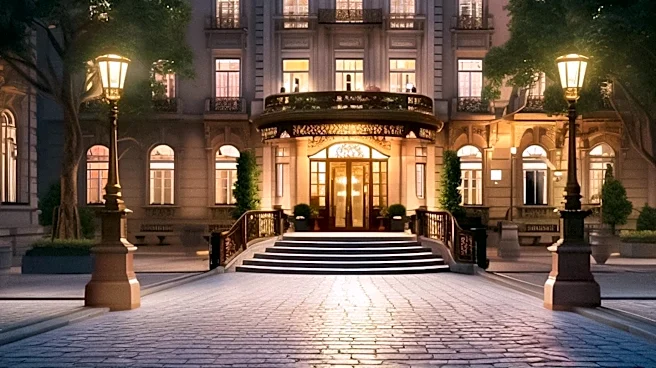
Luxury hotels are increasingly offering multi-stop travel itineraries that cover entire regions, using their own hotels as stops along the way. This trend is evident in destinations such as the Peruvian
Andes, the fjords of Norway, Bhutan, and regions in China like Yunnan and Tibet. These itineraries are designed to handle practical details such as luggage transfer, ferry reservations, and food stops, allowing guests to focus on activities like cycling or driving. The concept, which has been inspired by models like Amankora in Bhutan, is gaining popularity as it offers travelers consistency and a seamless experience across different landscapes. The approach is also being adopted by destination management companies, which are beginning to operate hotel collections of their own.
Why It's Important?
This trend signifies a shift in the luxury travel industry, where hotels are taking on roles traditionally held by tour operators. By offering comprehensive travel itineraries, hotels can provide a consistent level of service and comfort, which is particularly appealing in remote or unfamiliar destinations. This model allows hotels to control the entire guest experience, from accommodations to excursions, enhancing customer satisfaction and loyalty. It also represents a strategic move for hotels to capture more of the travel market by offering unique, curated experiences that differentiate them from competitors. This could potentially lead to increased revenue streams and a stronger brand presence in the luxury travel sector.
What's Next?
As this trend continues to grow, more hotel groups may adopt similar models, expanding their offerings to include comprehensive travel itineraries. This could lead to increased competition among luxury hotels and destination management companies, each striving to offer the most unique and seamless travel experiences. Additionally, there may be further innovations in how these itineraries are designed and marketed, possibly incorporating more technology-driven solutions to enhance personalization and convenience for travelers.