







What's Happening?
The U.S. bakery industry is undergoing significant evolution, driven by changing customer preferences for memorable flavors, attractive presentations, and products that align with their lifestyles. Key trends for 2027 include the resurgence of artisan
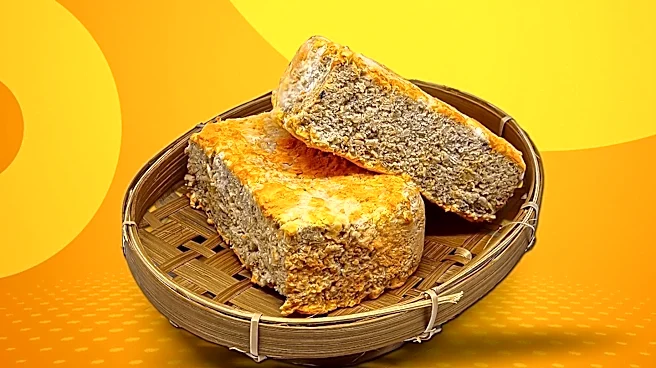
bread with modern twists, such as sourdough infused with unique ingredients like roasted garlic or black sesame. There's also a growing demand for smaller, premium desserts like petite cheesecakes and individual fruit tarts, offering flexibility and encouraging experimentation. Global flavors are increasingly influencing traditional bakery menus, with items like pistachio cream croissants and Japanese milk bread gaining popularity. Health-conscious options, including higher-fiber breads and plant-based desserts, are expanding beyond conventional low-sugar alternatives. Bakeries are also focusing on enhancing the customer experience through attractive displays and leveraging automation to improve production consistency.
Why It's Important?
These trends are crucial for U.S. bakeries as they reflect a dynamic market where consumer expectations are continually rising. The shift towards artisan and globally-inspired products indicates a more adventurous and sophisticated palate among American consumers, pushing bakeries to innovate and diversify their offerings. The demand for smaller, premium desserts suggests a desire for portion control without compromising on quality or indulgence, impacting product development and pricing strategies. The emphasis on health-conscious options highlights a broader societal focus on wellness, requiring bakeries to adapt recipes and clearly communicate nutritional information. For bakery owners, understanding and implementing these trends can lead to increased customer engagement, competitive advantage, and sustained growth in a challenging retail landscape. Investment in modern equipment and thoughtful display strategies will be essential for meeting these evolving demands.
What's Next?
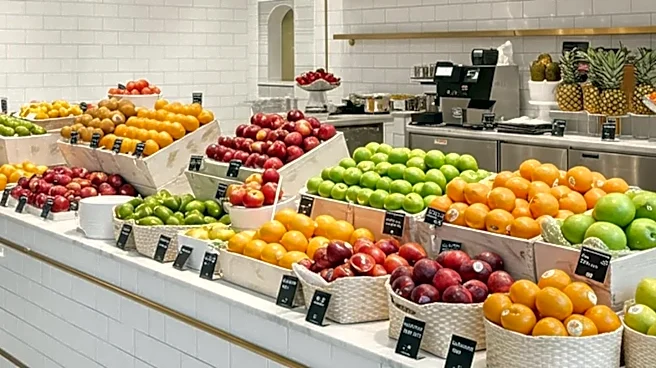
Bakeries are expected to continue integrating these trends into their operations, with a focus on thoughtful menu expansion and strategic investments. This will likely involve experimenting with new ingredients and international recipes, potentially introducing seasonal menus to test demand before permanent additions. Automation in production, such as programmable ovens and commercial dough mixers, will become more prevalent to ensure consistency and efficiency, allowing skilled bakers to focus on product development and finishing. Visual merchandising will also gain importance, with bakeries investing in high-quality refrigerated display cases and attractive layouts to enhance the customer experience. The most successful bakeries will be those that carefully evaluate their customer base, production capacity, and budget to make informed decisions about which trends to adopt, ensuring a balance between innovation and operational feasibility.
Beyond the Headlines
The evolving bakery landscape reflects a broader cultural appreciation for craftsmanship, diverse culinary experiences, and mindful consumption. The return of artisan bread signifies a rejection of mass-produced uniformity in favor of traditional techniques and unique flavors, aligning with the 'slow food' movement. The embrace of global flavors not only broadens culinary horizons but also reflects increasing cultural interconnectedness and a desire for authentic international experiences. The demand for health-conscious options, while driven by dietary needs, also speaks to a more holistic approach to food, where enjoyment is balanced with well-being. These trends collectively suggest a consumer base that values quality, authenticity, and a personalized experience, pushing the bakery industry to become more responsive, innovative, and customer-centric.