



What's Happening?
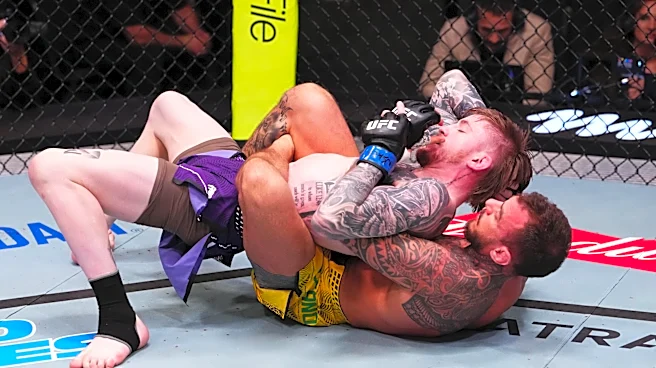
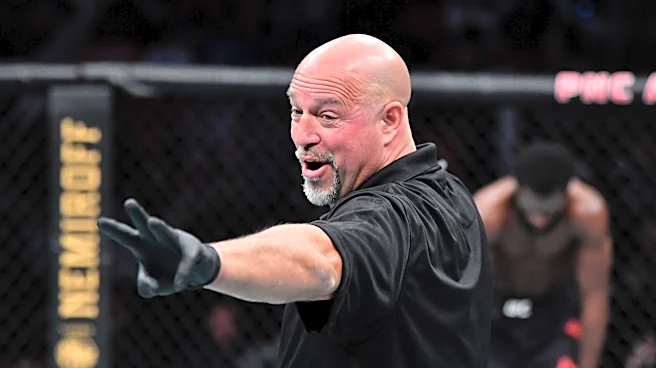
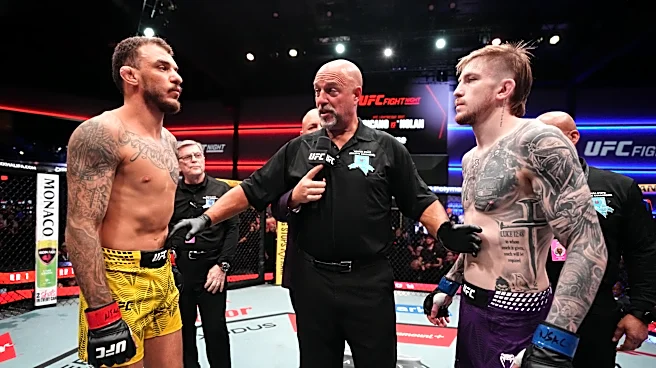
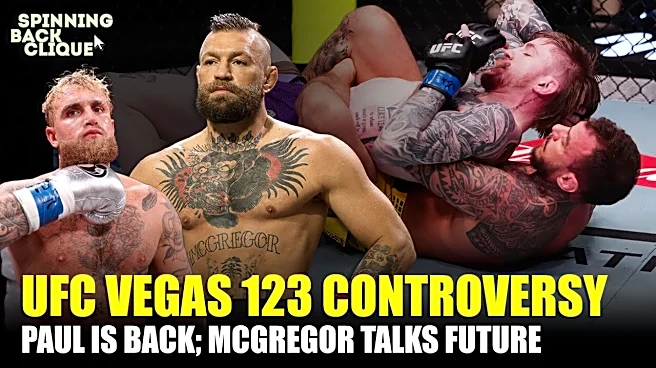
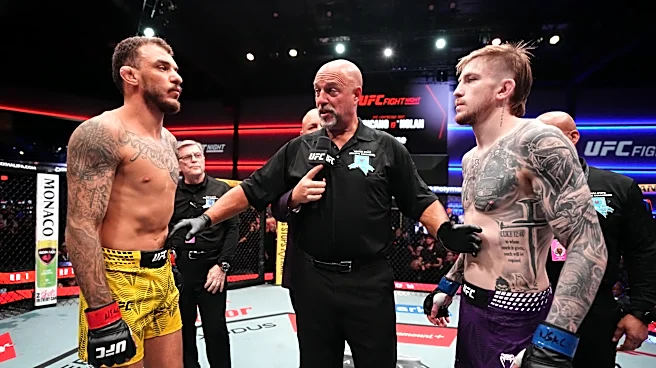
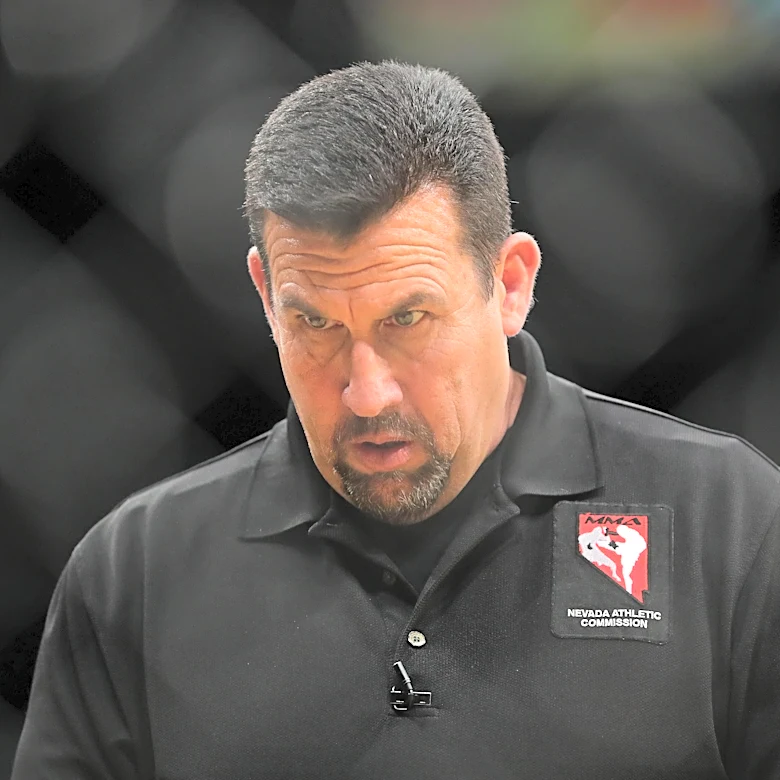
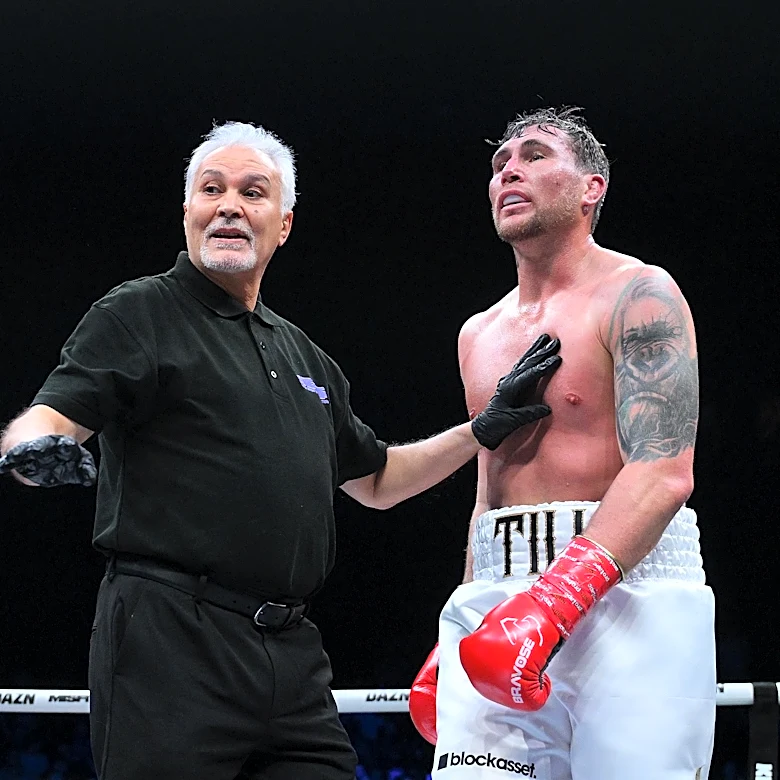
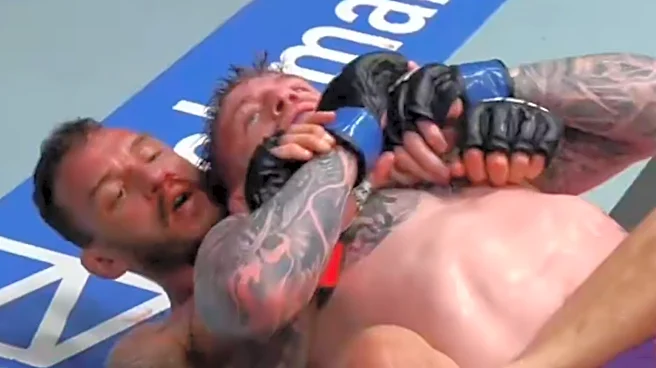
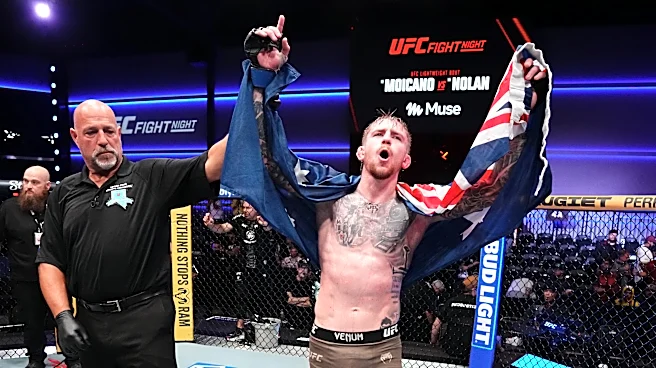
UFC commentator Joe Rogan has publicly criticized referee Dan Miragliotta's decision to stand up the fight between Renato Moicano and Tom Nolan at UFC Vegas 123. During the main event, Miragliotta intervened and separated the fighters despite Moicano having
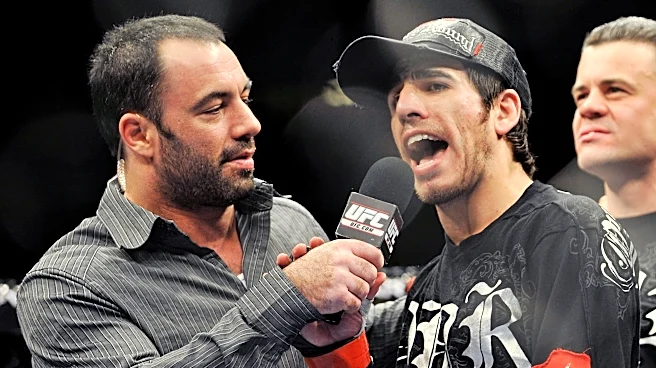
a dominant position with a body triangle and back control against Nolan. Following the standup, Moicano lost his advantageous position and was subsequently knocked out by Nolan. Rogan, along with fellow UFC commentator Jon Anik, expressed strong disapproval of the decision. Anik shared a text message from Rogan stating, 'It's not a sport if refs can do that,' highlighting Rogan's concern about the impact of such officiating on the integrity of mixed martial arts.
Why It's Important?
This incident and Joe Rogan's strong reaction underscore significant concerns within the mixed martial arts community regarding referee consistency and the potential for officiating errors to alter fight outcomes. Controversial decisions can impact fighter careers, fan perception, and the sport's credibility. When a referee's intervention directly leads to a shift in momentum and a subsequent finish, it raises questions about fairness and the application of rules. For the UFC and other MMA organizations, maintaining high standards of officiating is crucial for the sport's legitimacy and continued growth. Such incidents can also lead to calls for greater accountability for referees and potentially influence future training and evaluation protocols for officials.
What's Next?
The controversy surrounding Dan Miragliotta's decision may prompt further discussion and review within the UFC and athletic commissions regarding referee guidelines for standups, particularly when one fighter holds a dominant position. There could be increased pressure for Miragliotta or other officials to provide explanations for such calls. This event might also fuel debates among fans, fighters, and analysts about the role of referees in MMA and the balance between fighter safety and allowing fights to progress naturally. Ultimately, the incident could contribute to ongoing efforts to refine officiating standards and ensure greater consistency across all MMA events, aiming to minimize human error and preserve the integrity of the sport.
Beyond the Headlines
Beyond the immediate impact on the fight, this incident touches upon the broader ethical considerations of sports officiating. The power wielded by referees in combat sports is immense, as their decisions can directly influence the outcome of a contest and, by extension, the livelihoods and careers of athletes. Rogan's comment, 'It's not a sport if refs can do that,' speaks to a fundamental principle of fair play and the expectation that competition should be decided by the athletes' performance, not by arbitrary or questionable interventions. This debate extends to other sports where officiating errors can be game-changing, highlighting the constant tension between human judgment and the pursuit of objective fairness in competitive environments. It also underscores the emotional investment of fans and commentators in the purity of athletic competition.