







What's Happening?
Blackstone, a global asset management company, is facing a class action lawsuit alleging it overcharged thousands of tenants in a Manhattan rent-stabilized building by more than $30 million. The lawsuit, filed by the Housing Rights Initiative (HRI), claims
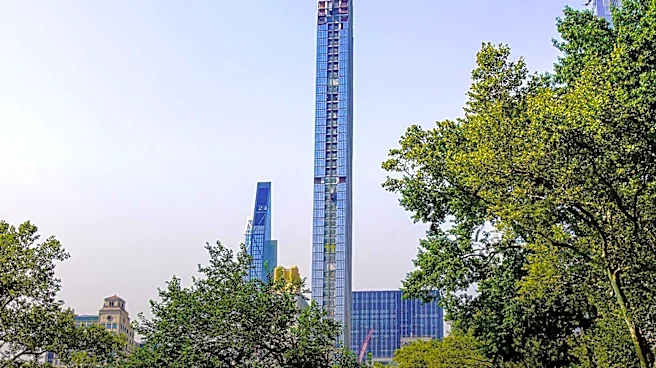
that Blackstone, through its management companies BREIT Operating Partnership, Beam Living, and 8 Spruce, misrepresented true rent costs and illegally increased rents on renewal leases. The building at 8 Spruce St., which Blackstone acquired in 2022 for $930 million, participates in the city's 421-a tax credit program. This program provides financial benefits to landlords in exchange for stabilizing apartment rents. The lawsuit contends that despite receiving over $115 million in tax credits for this commitment, Blackstone disregarded rent stabilization laws. The alleged scheme involved offering initial leases with significant concessions, such as several months of free rent, to present a lower net rent. Upon renewal, these concessions were reportedly removed, and rent increases were calculated based on the higher, pre-concession rent, a practice the lawsuit claims is illegal under city law. Beam Living stated it is aware of the suit and committed to complying with all rent stabilization rules.
Why It's Important?
This lawsuit highlights significant concerns regarding tenant protections and the enforcement of rent stabilization laws in New York City, particularly concerning large institutional landlords like Blackstone. The alleged overcharging of rent-stabilized tenants, if proven, could undermine the effectiveness of programs like 421-a, which are designed to provide affordable housing options and tax benefits to developers. The case could set a precedent for how rent concessions are handled in renewal leases and reinforce the legal obligations of landlords participating in tax credit programs. For tenants, the outcome could lead to substantial rent refunds and reductions, offering financial relief to those who may have been illegally overcharged. For real estate investors and developers, the lawsuit serves as a reminder of the legal complexities and potential liabilities associated with rent-stabilized properties and tax incentive programs. It also brings into question the oversight mechanisms for ensuring compliance with affordable housing agreements.
What's Next?
The class action lawsuit will proceed through the legal system, with potential discovery phases, motions, and possibly a trial. The Housing Rights Initiative (HRI) has indicated that any current and former tenant who has lived in the 8 Spruce St. building since September 2020 may be eligible to join the suit. The tenants are seeking a court order to prevent Blackstone from implementing rent increases that violate rent-stabilization laws, along with tens of millions in rent refunds, reductions, and additional damages. They are also requesting the court to appoint an independent entity to audit the building's rent-stabilized units and ensure all leases comply with regulations. Blackstone-owned Beam Living has stated it cannot comment on pending litigation but maintains its commitment to complying with all rent stabilization rules. The legal proceedings will likely involve detailed examinations of lease agreements, rent calculations, and the application of rent stabilization laws, potentially leading to significant legal and financial implications for Blackstone and other landlords operating under similar tax credit programs.
Beyond the Headlines
This lawsuit delves into the broader implications of private equity firms' involvement in residential real estate and their impact on urban housing markets. The alleged practices raise ethical questions about how large investment firms manage properties intended to provide affordable housing, especially when benefiting from public tax incentives. The case could prompt increased scrutiny from city and state regulators into the compliance of landlords with rent stabilization and tax credit programs, potentially leading to policy reforms or stricter enforcement measures. It also underscores the power imbalance between large corporate landlords and individual tenants, highlighting the critical role of tenant advocacy groups like HRI in holding powerful entities accountable. The outcome could influence investor confidence in rent-stabilized properties and potentially reshape strategies for real estate investment in markets with strong tenant protection laws. Furthermore, it could fuel public debate about the balance between developer profits and the provision of affordable, stable housing in major U.S. cities.