







What's Happening?
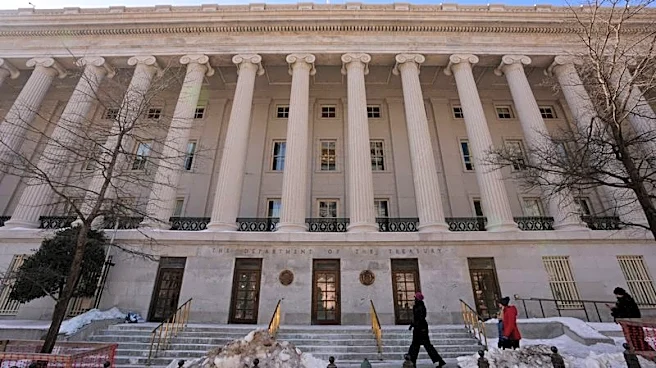
The U.S. Treasury announced it would double its buyback sizes for 10 to 30-year debt to at least $4 billion per operation, a move aimed at supporting the long end of the bond market. This intervention, which could be extended or increased, is intended
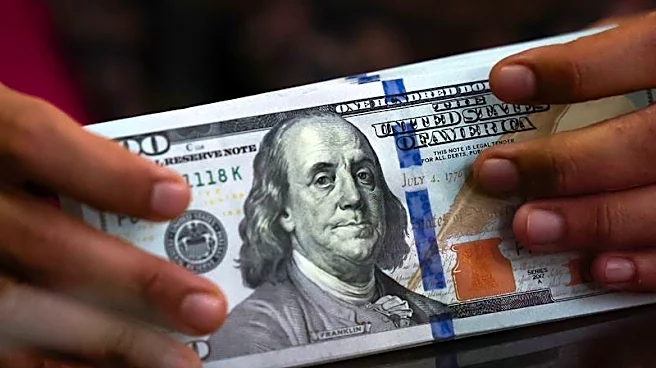
to improve market functioning and cap the rise in longer-dated yields, which had recently seen the 30-year yield reach its highest level since 2007. In response to this announcement, the U.S. dollar experienced a significant decline, while gold and silver prices surged. The Treasury's action is interpreted by some as an attempt to prevent higher borrowing costs from negatively impacting the economy, particularly areas like the mortgage market. This development occurred as U.S. public debt surpassed $40 trillion for the first time. The market reaction was amplified by speculative positioning, with many investors holding short positions in Treasury futures prior to the announcement, leading to a 'sharp bout of short covering.'
Why It's Important?
This move by the U.S. Treasury carries significant implications for the U.S. economy and global financial markets. By actively intervening to suppress long-term bond yields, the Treasury is attempting to manage the cost of government borrowing and potentially stimulate economic activity by keeping interest rates lower. However, this action also raises concerns about the 'debasement' of the U.S. dollar, as artificially suppressed yields can make U.S. assets less attractive to investors, leading to currency depreciation. The sharp rise in gold and silver prices reflects investor sentiment seeking safe-haven assets and hedging against inflation or currency devaluation. This situation highlights the ongoing challenge of managing a growing national debt while trying to maintain economic stability. The Treasury's willingness to intervene in this manner could set a precedent for future market management, influencing investor confidence and the long-term trajectory of the dollar and commodity prices.
What's Next?
The immediate aftermath of the Treasury's announcement will involve close observation of how long-dated bond yields, the U.S. dollar, and precious metals prices react. While the increased buybacks are currently scheduled until the next Quarterly Refunding announcement, there is a possibility that they could be extended or further increased if market pressures persist. This could lead to continued dollar weakness and sustained upward momentum for gold and silver. Conversely, if the market perceives the intervention as a temporary measure, the initial reactions could reverse. The Treasury's actions also raise questions about the Federal Reserve's monetary policy, as efforts to suppress long-term yields could complicate the Fed's ability to raise rates without significantly increasing the government's interest expense. Market participants will be looking for further signals from the Treasury and the Fed regarding their coordinated approach to managing fiscal and monetary policy.
Beyond the Headlines
The Treasury's decision to intervene in the bond market, following a similar intervention in the yen market, suggests a pattern of active market management by U.S. authorities. This approach challenges the traditional view of free-market forces dictating asset prices and currency valuations. The underlying issue of a rapidly growing U.S. public debt, now exceeding $40 trillion, remains a critical long-term concern. While interventions may provide temporary relief, they do not address the fundamental fiscal trajectory. This could lead to a 'debasement trade' narrative gaining traction, where investors increasingly view the dollar as vulnerable to inflation and devaluation due to unsustainable fiscal policies and government intervention. Such a shift in perception could have profound and lasting effects on the global financial system, potentially altering the dollar's status as the world's primary reserve currency and driving demand for alternative stores of value like gold and silver.